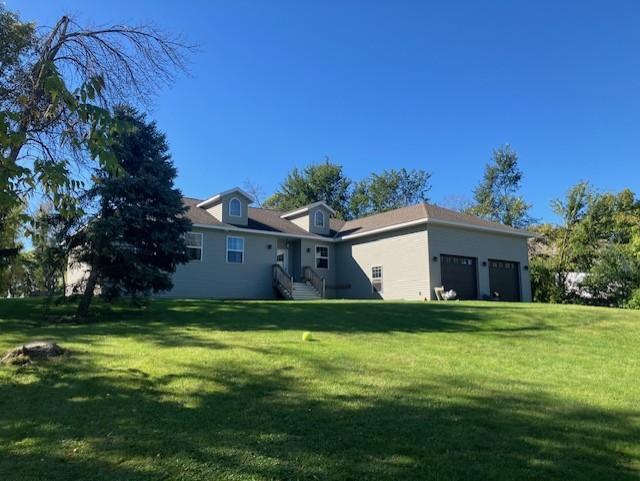
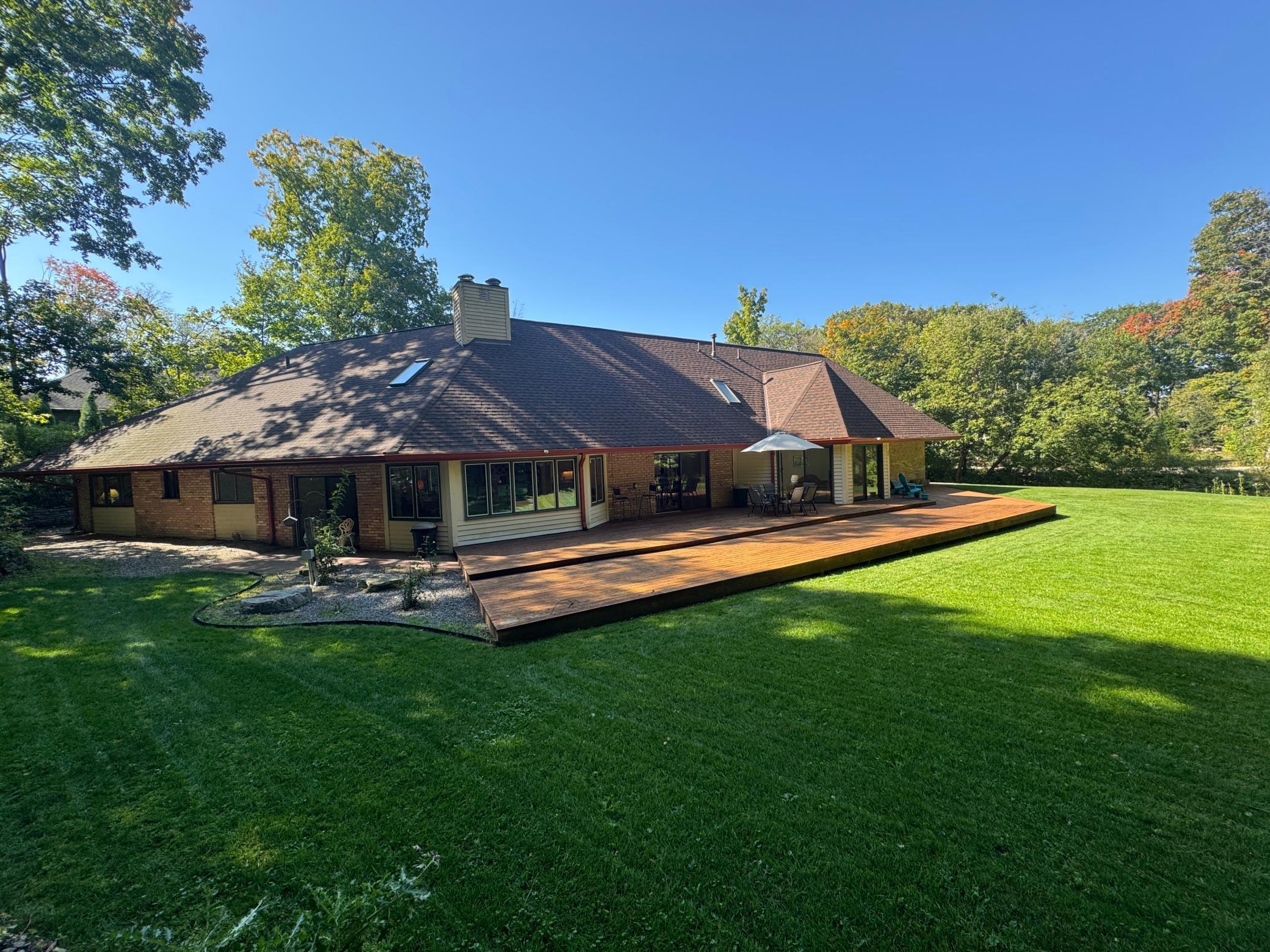
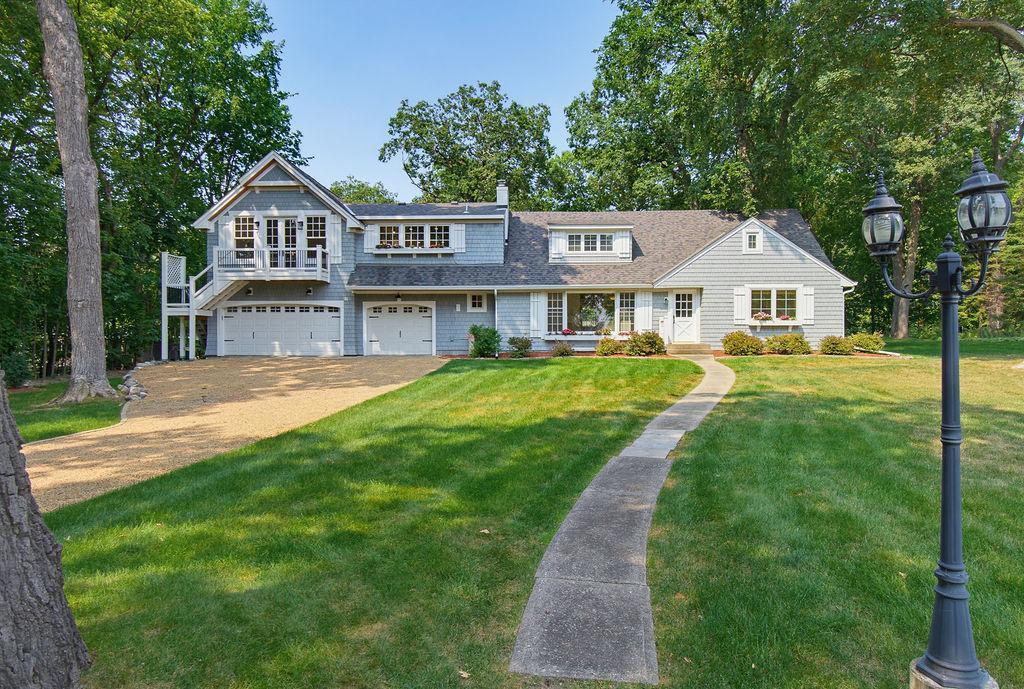
Welcome to Orono, MN
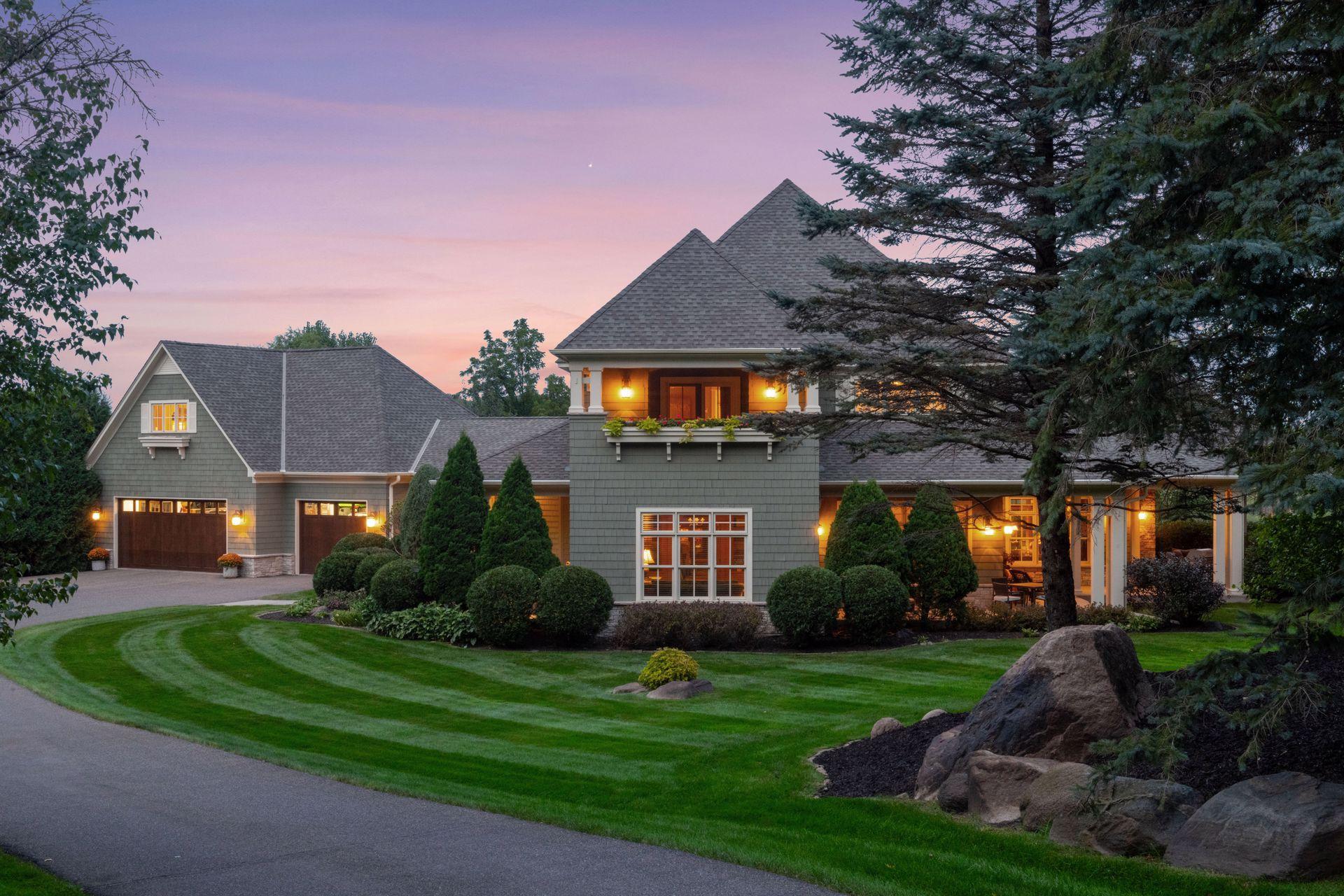
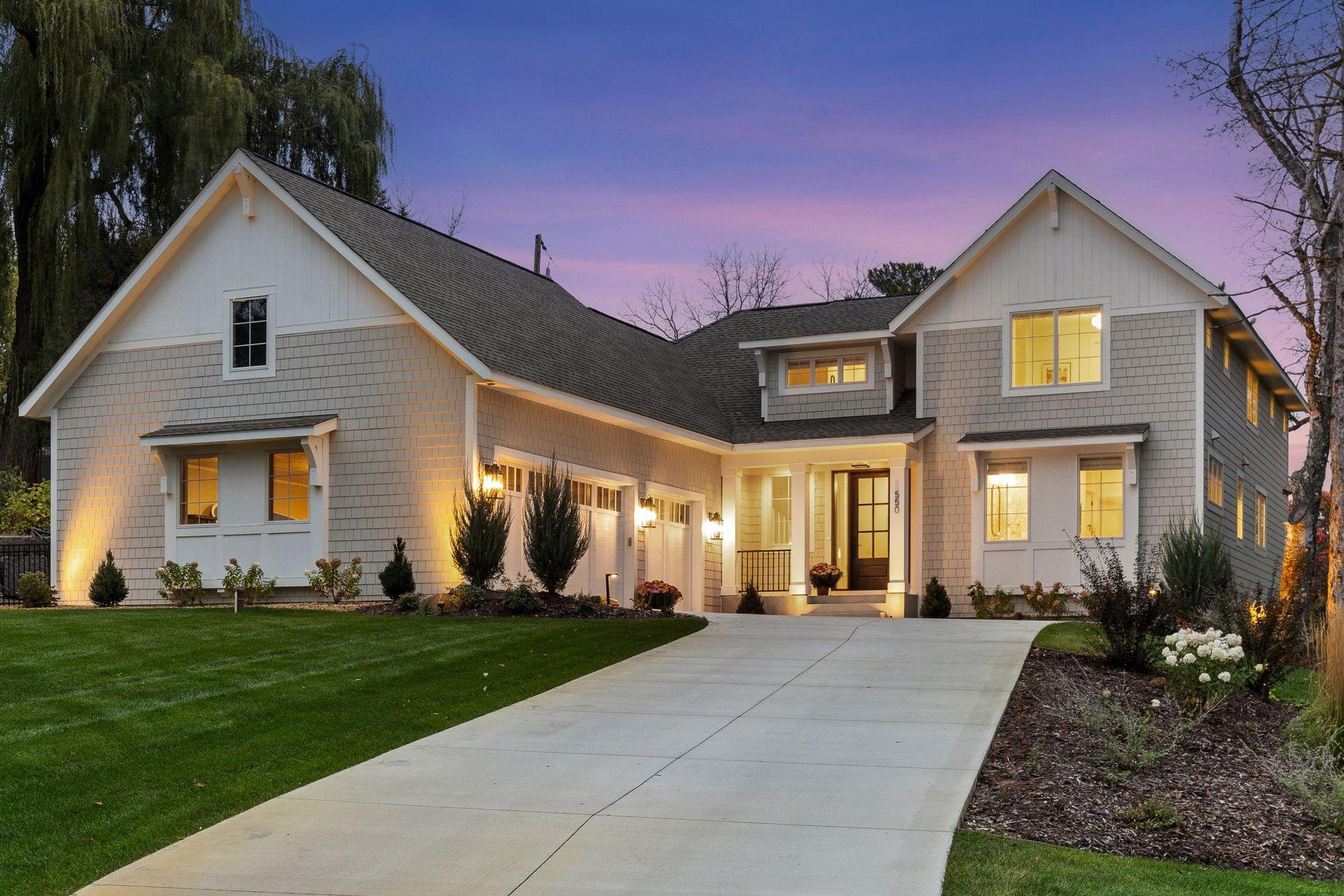
Orono is where Lake Minnetonka feels most like a private retreat. Wrapped around the lake's quiet northern bays and set behind mature woods and long, winding driveways, this is a community that has deliberately chosen space over density, privacy over convenience, and natural beauty over commercial sprawl. Roughly fifteen miles west of downtown Minneapolis, Orono manages a rare balance: it offers some of the most exclusive lakeshore estates in Minnesota alongside rolling inland acreage and equestrian parcels, yet keeps its residents within a half-hour of the city.
If you're drawn to a place where neighbors are separated by trees rather than fences, where the shoreline is dotted with private docks instead of resort traffic, and where a top-ranked school district anchors family life, Orono deserves a close look. This guide walks through what makes the community distinctive—its history, its geography, its real estate, and the practical details that matter most before you buy.
A Brief History of Orono
Long before European settlement, the lands along Lake Minnetonka were home to the Dakota people. European-American settlers began farming and timbering the region in the early 1850s, and the area that would become Orono started as part of Medina Township. By 1889, residents in the southern portion of the township petitioned for independence to better serve their growing lakeside community, and Orono Township was formally organized—named after Orono, Maine, by early settlers who had come from New England.
The community's identity took shape during the resort era. As railways extended around Lake Minnetonka in the late nineteenth and early twentieth centuries, Orono became a prized summer destination for wealthy families from Minneapolis and Saint Paul. Expansive country estates and grand lakefront properties began defining the landscape—a legacy still visible in the preserved summer homes that line the bays today. In 1955, to maintain local control and protect its low-density character amid post-war suburban growth, Orono officially incorporated as a city. That single decision explains much of what the community is today: a place that chose, deliberately and early, to stay wooded, spacious, and residential.
Where Orono Sits on Lake Minnetonka
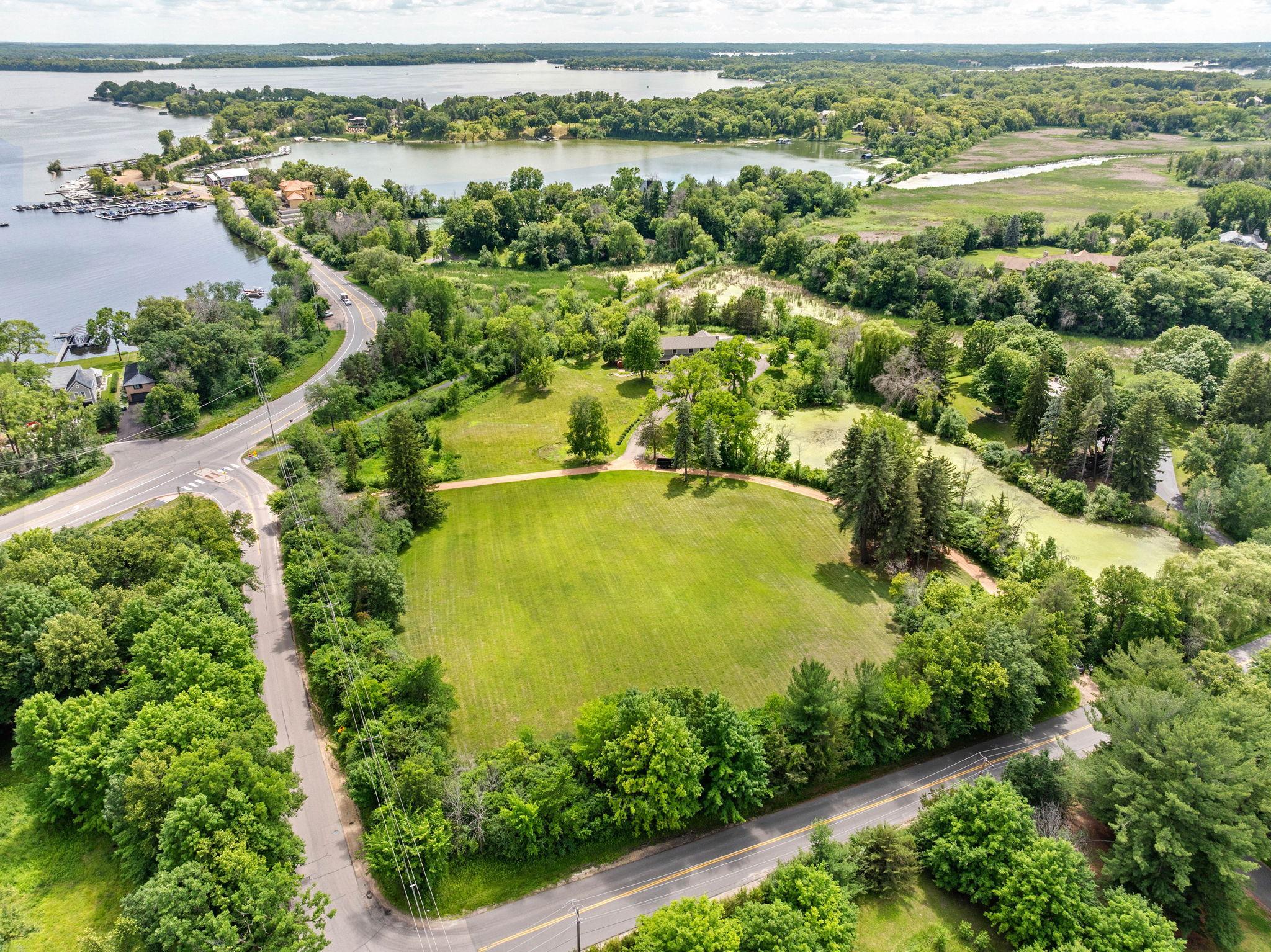
Located about fifteen miles west of Minneapolis in Hennepin County, Orono occupies a commanding position along the north and northwest shores of Lake Minnetonka. The city encircles several of the lake's major bays, including Crystal Bay, Maxwell Bay, Stubbs Bay, North Arm, Carmans Bay, and portions of Smithtown Bay—giving it one of the most extensive and varied shorelines of any community on the lake.
Geographically, Orono is unusual. The city spans roughly 25 square miles, nearly a third of which is water, and its sprawling, horseshoe-like footprint wraps around smaller municipalities such as Long Lake, Minnetonka Beach, and Spring Park. It's bordered by Wayzata to the east, Medina to the north, and Mound and Minnetrista to the west. This wrapping geography is part of what gives Orono its layered feel—one moment you're on a wooded inland road, the next you're overlooking a protected bay.
The Character of Orono's Neighborhoods
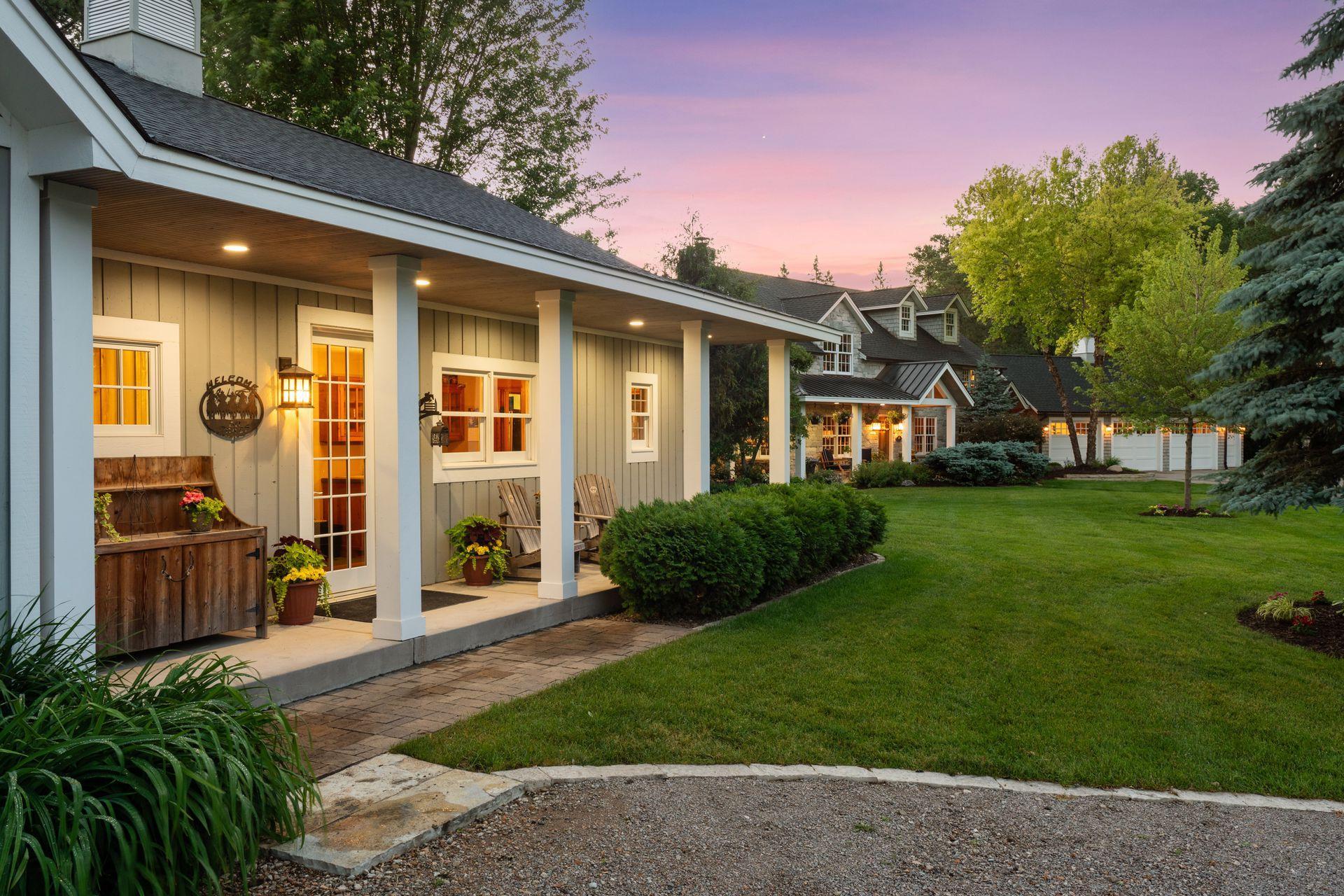
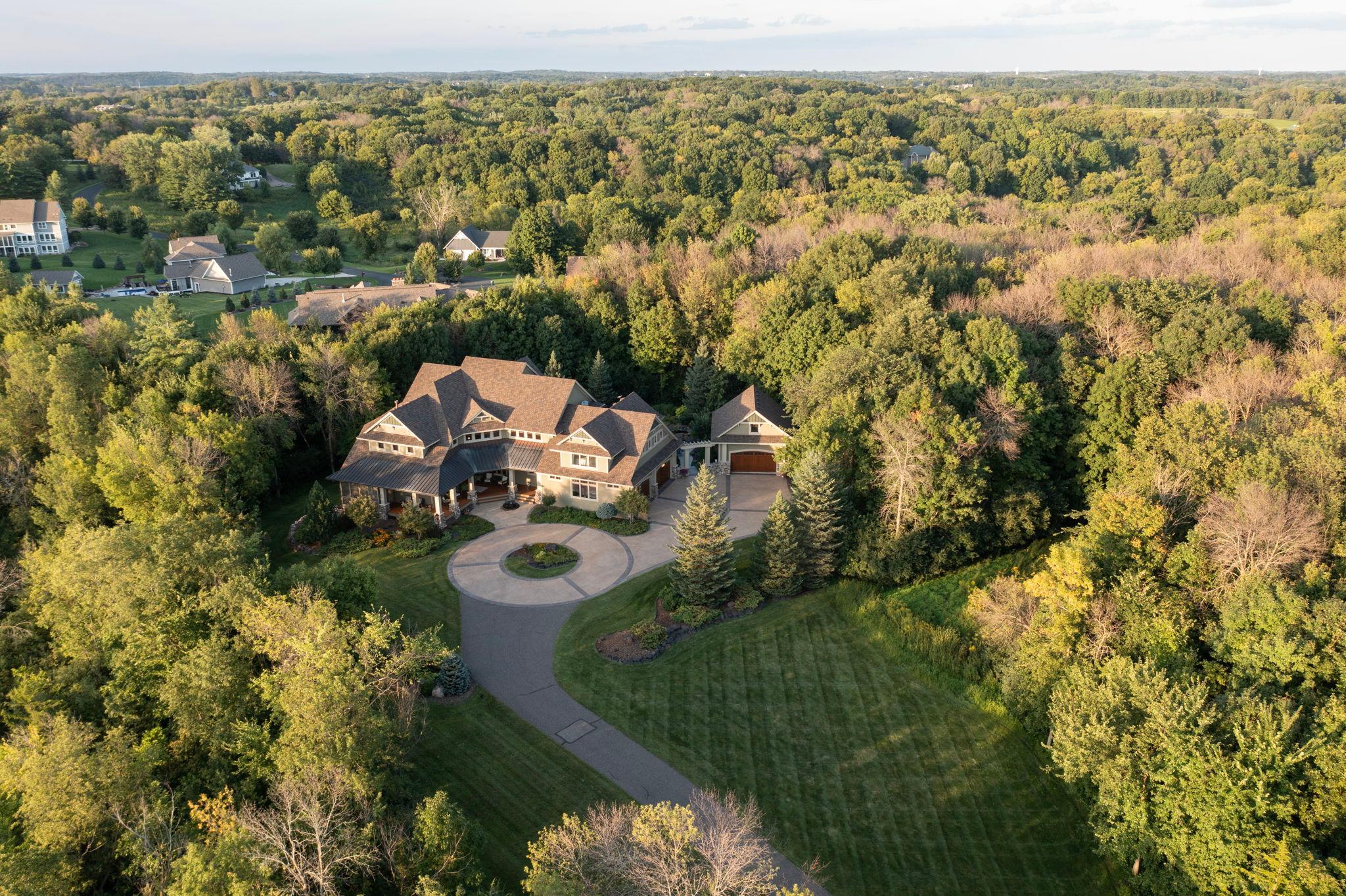
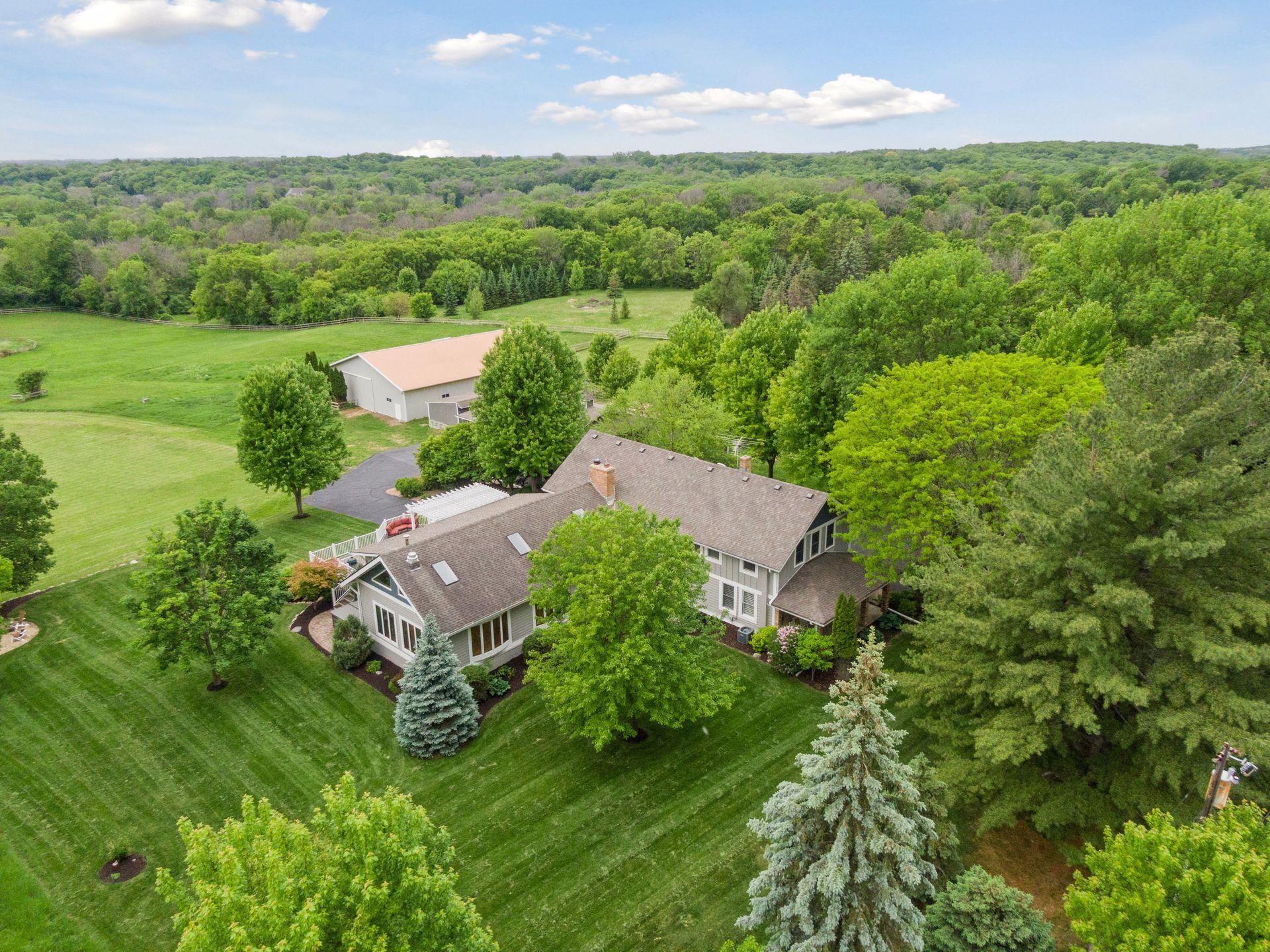
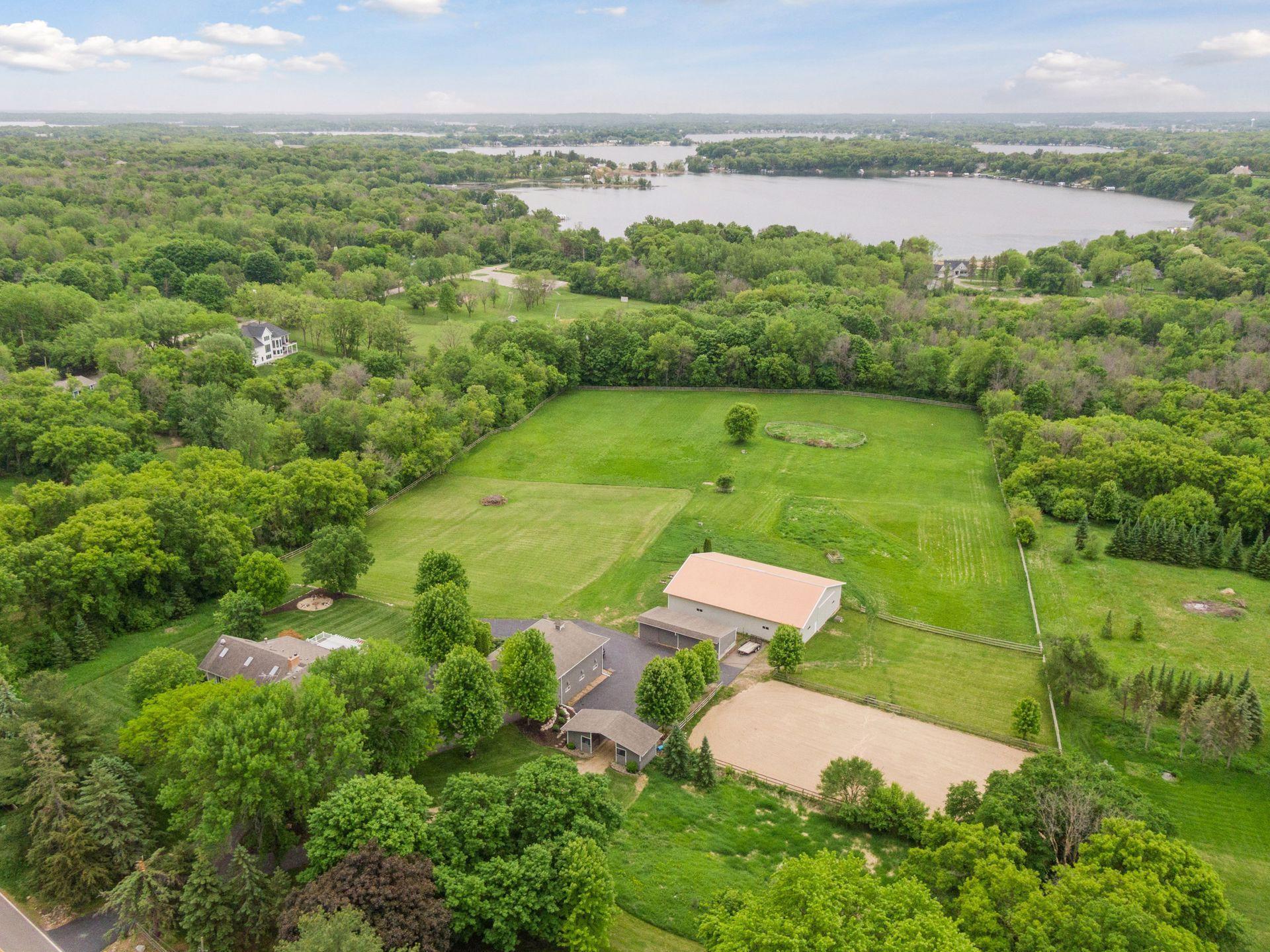
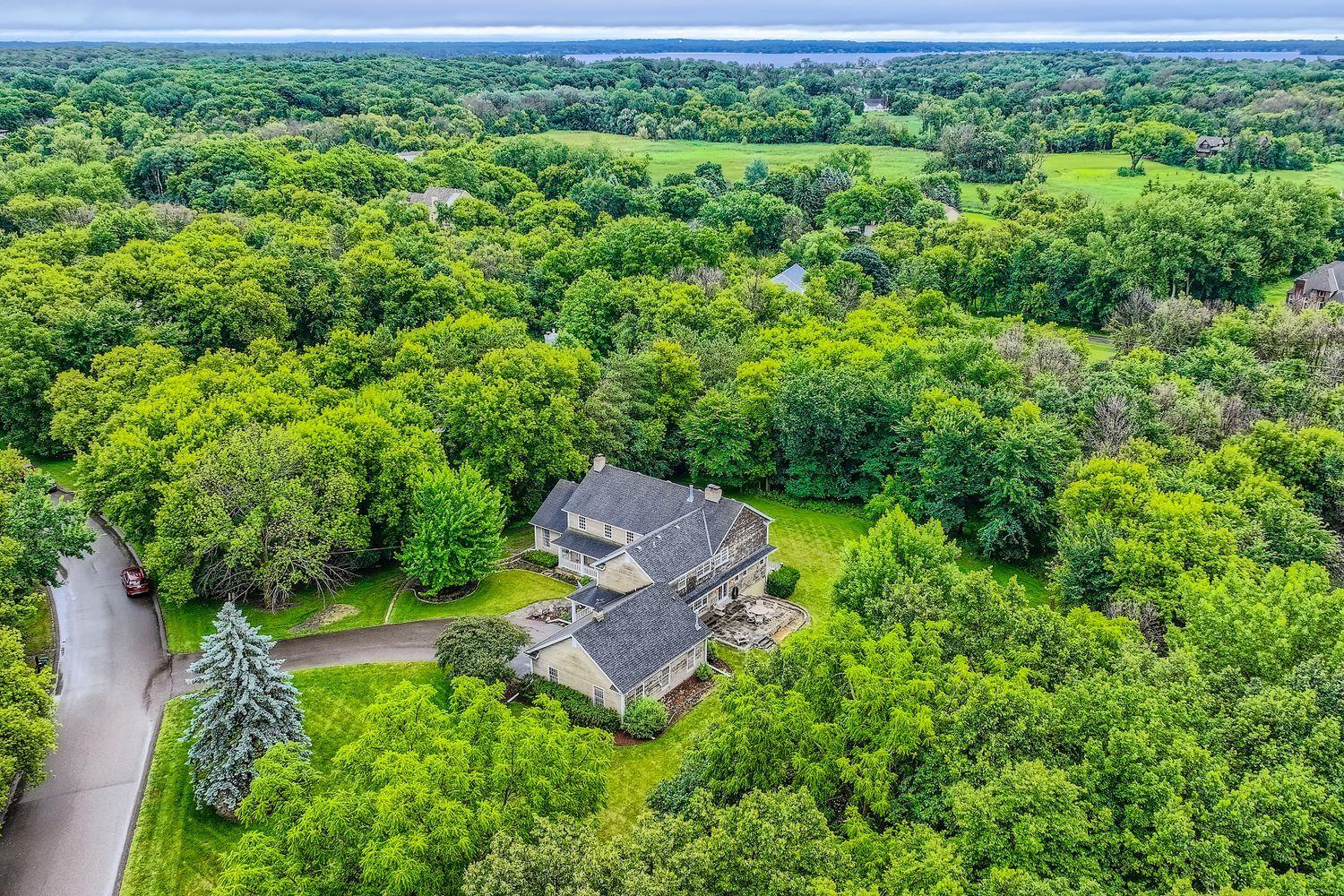
Orono is defined by what it doesn't have as much as by what it does. There are no standard block grids here, no commercial strip malls, no dense subdivisions. Instead, strict zoning mandates larger lot sizes—often two to five or more acres inland—preserving heavily wooded settings, natural topography, and a genuine sense of seclusion. The result is a community that feels semi-rural and semi-private even though it sits well within the metro's western reach.
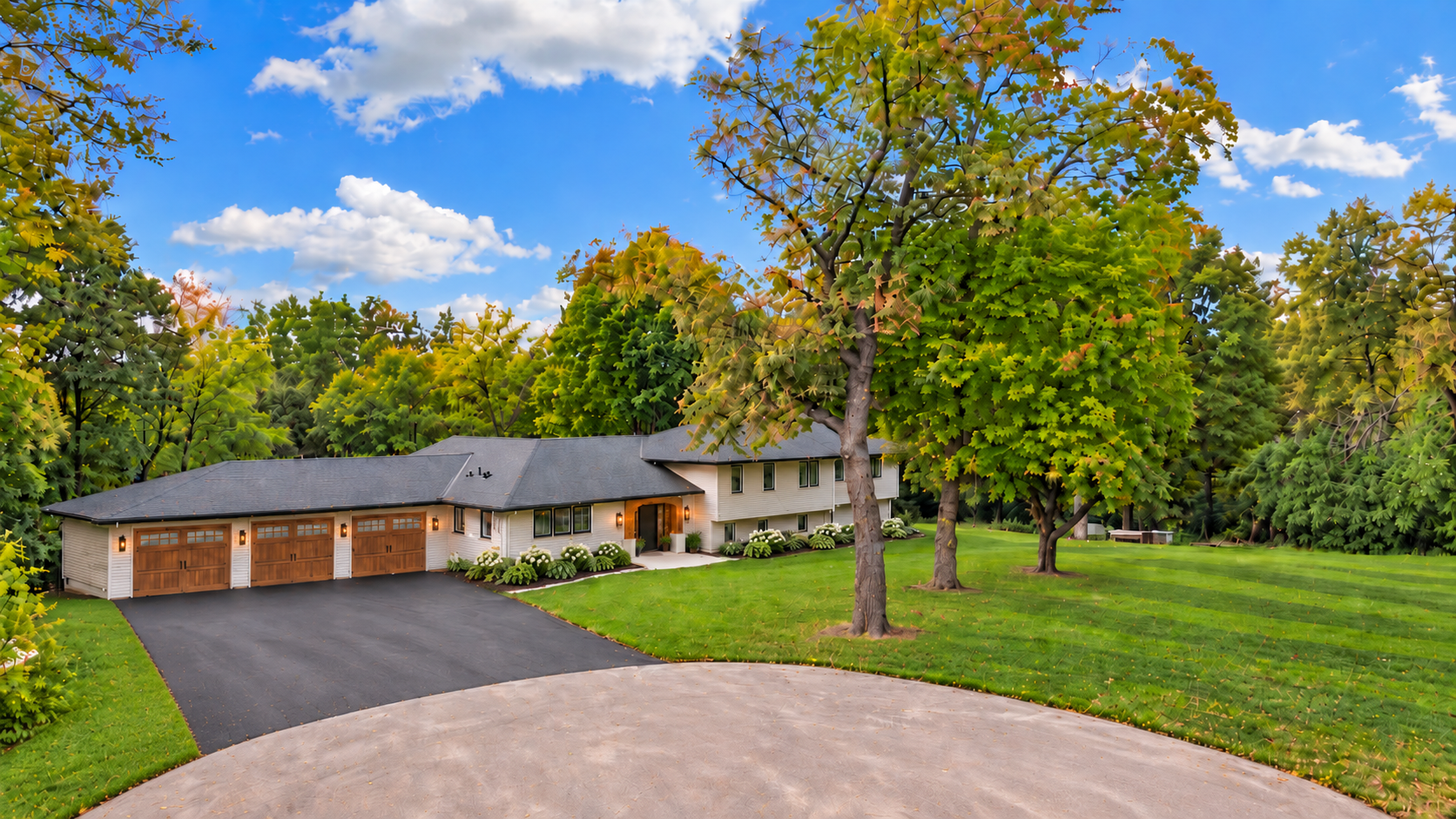
Within that framework, distinct enclaves emerge. The areas closer to the lake's northern bays, around Navarre and North Arm, blend charming historic cottages, mid-century homes, and high-end modern infill. Heading inland toward Medina, the landscape opens into rolling hills, horse properties, and expansive custom-built estates. One thing you won't find anywhere in Orono is a traditional downtown. There's no central commercial hub—residents rely on neighboring Wayzata, Long Lake, and Mound for dining, shopping, and everyday errands. For many buyers, that absence is precisely the appeal.
Living on the Water: Lakeshore and Estate Living
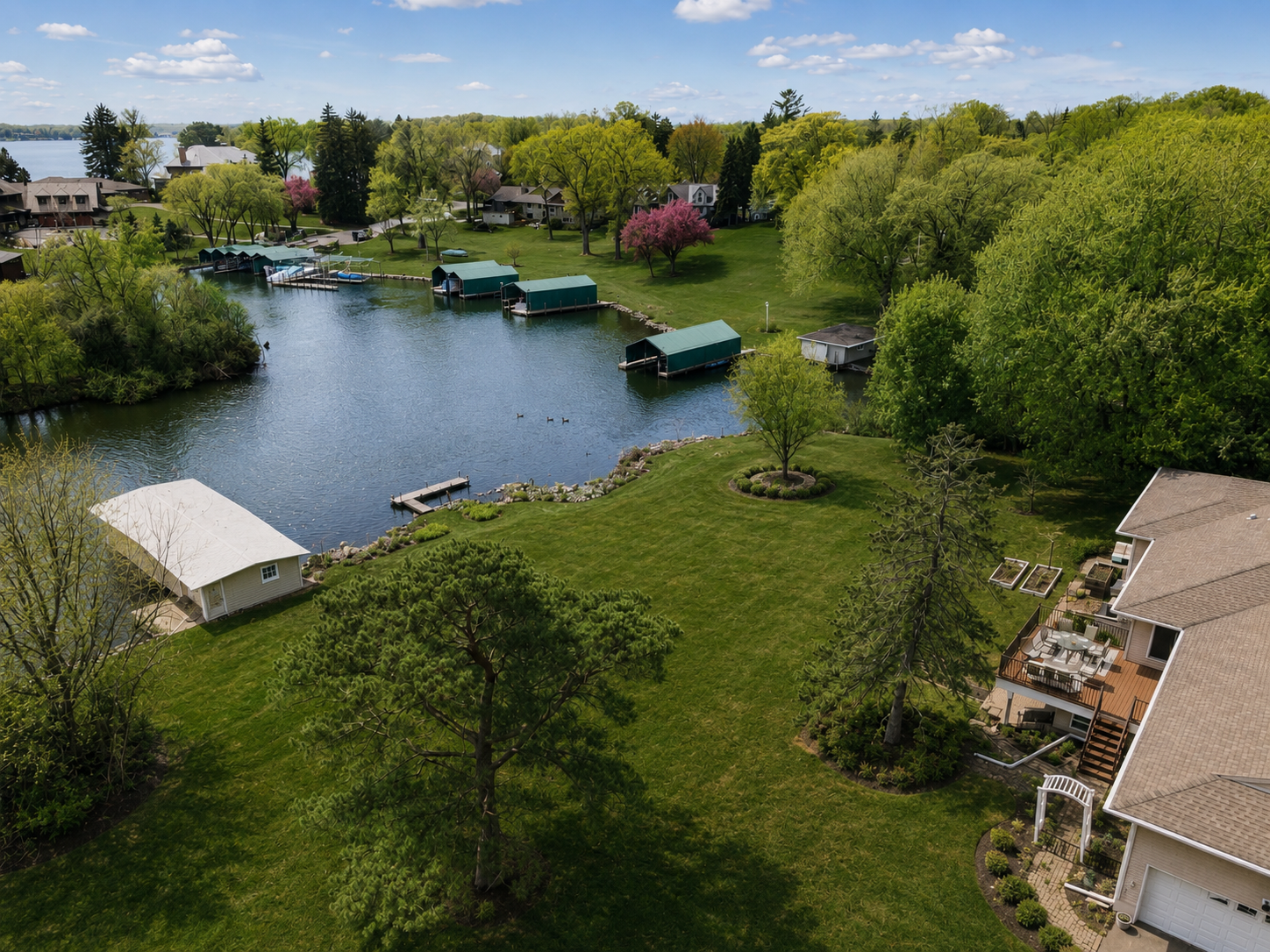
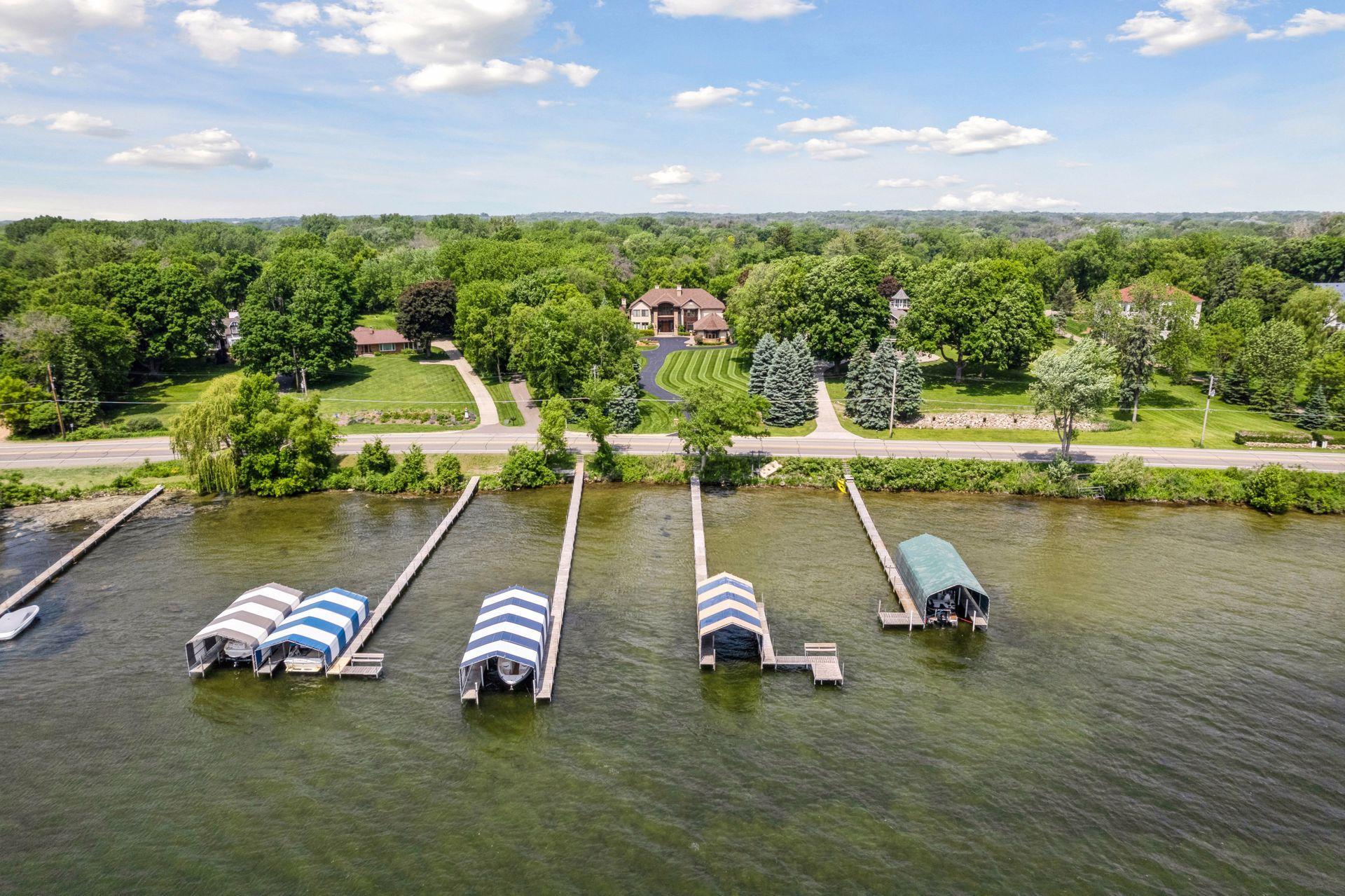
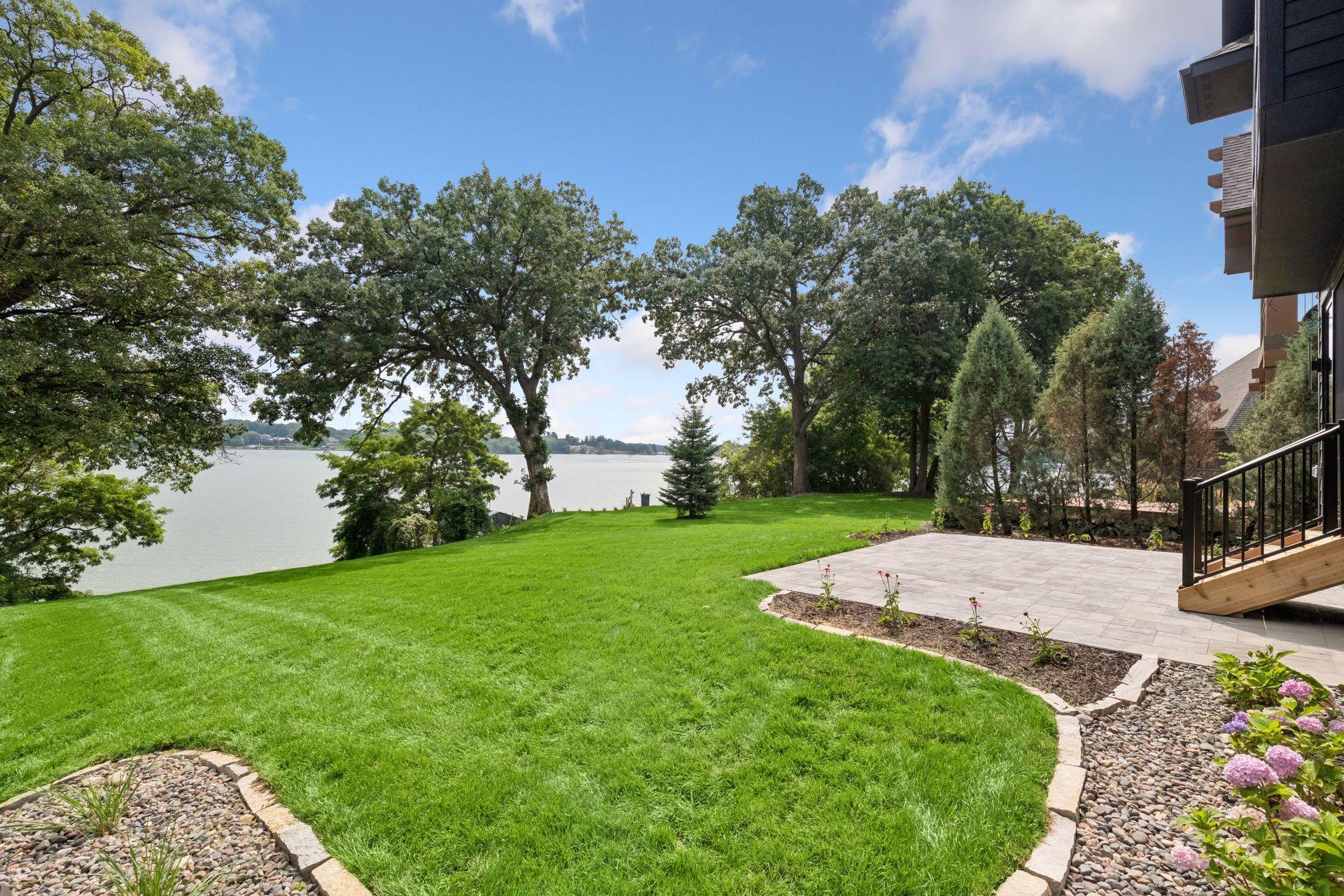
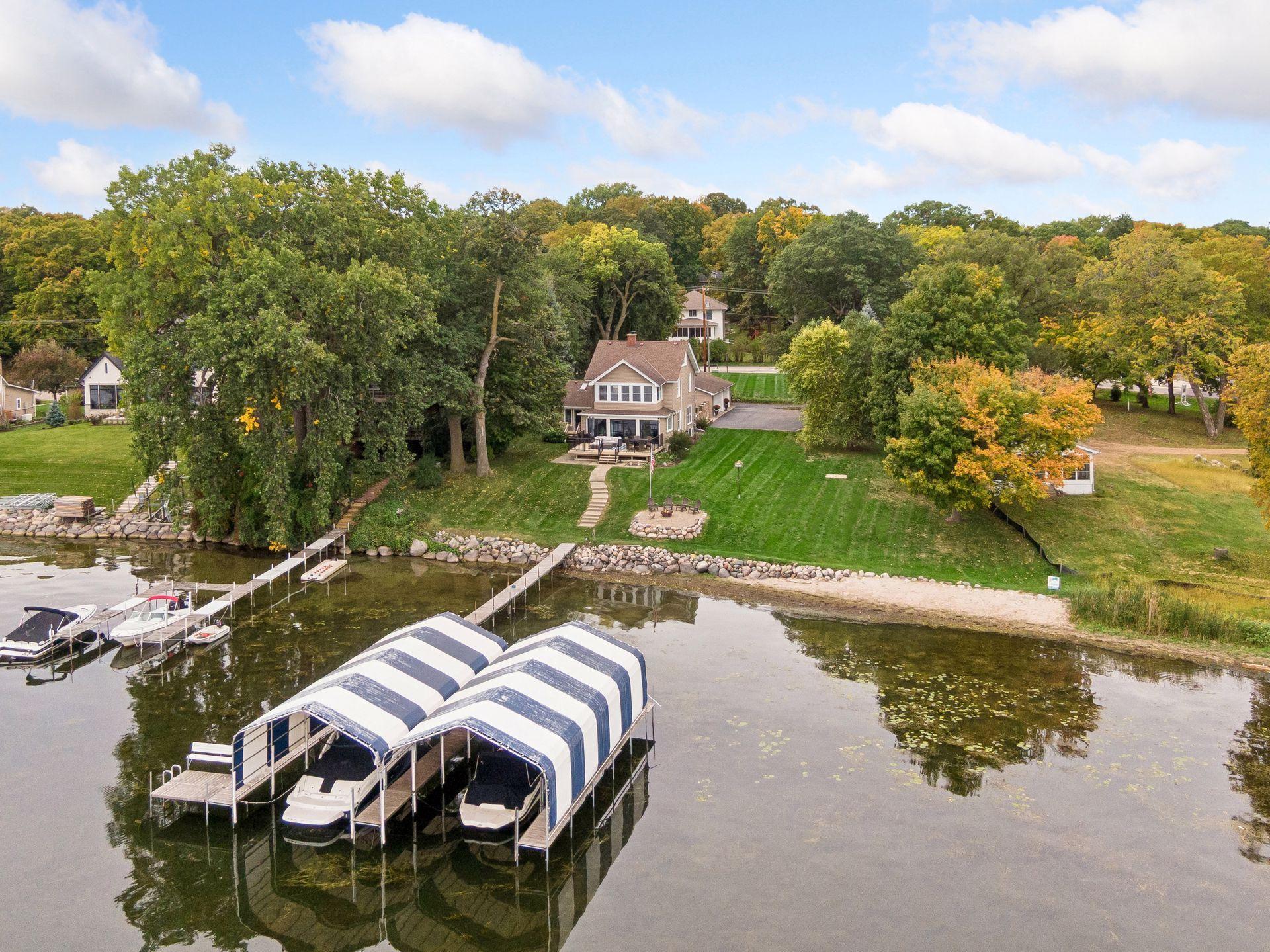
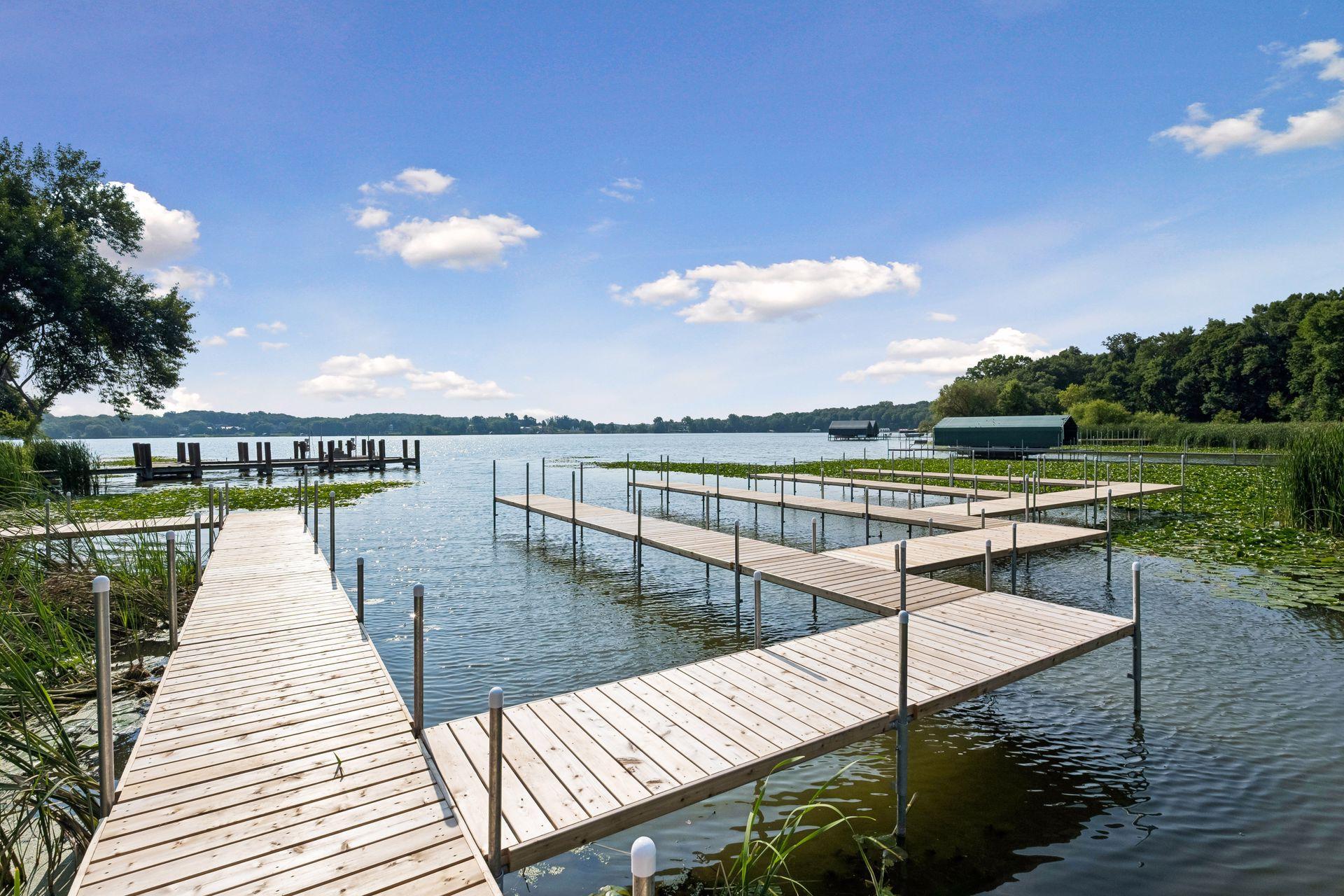
Lakeshore real estate in Orono ranks among the most sought-after and highest-valued in Minnesota, and life on the water here is built around private docks, boating, paddleboarding, and long views across the bays. Properties line quiet coves and major channels, offering direct access to the entirety of Lake Minnetonka's 125-plus miles of shoreline—the kind of connectivity that turns a home into a launching point for the whole lake.
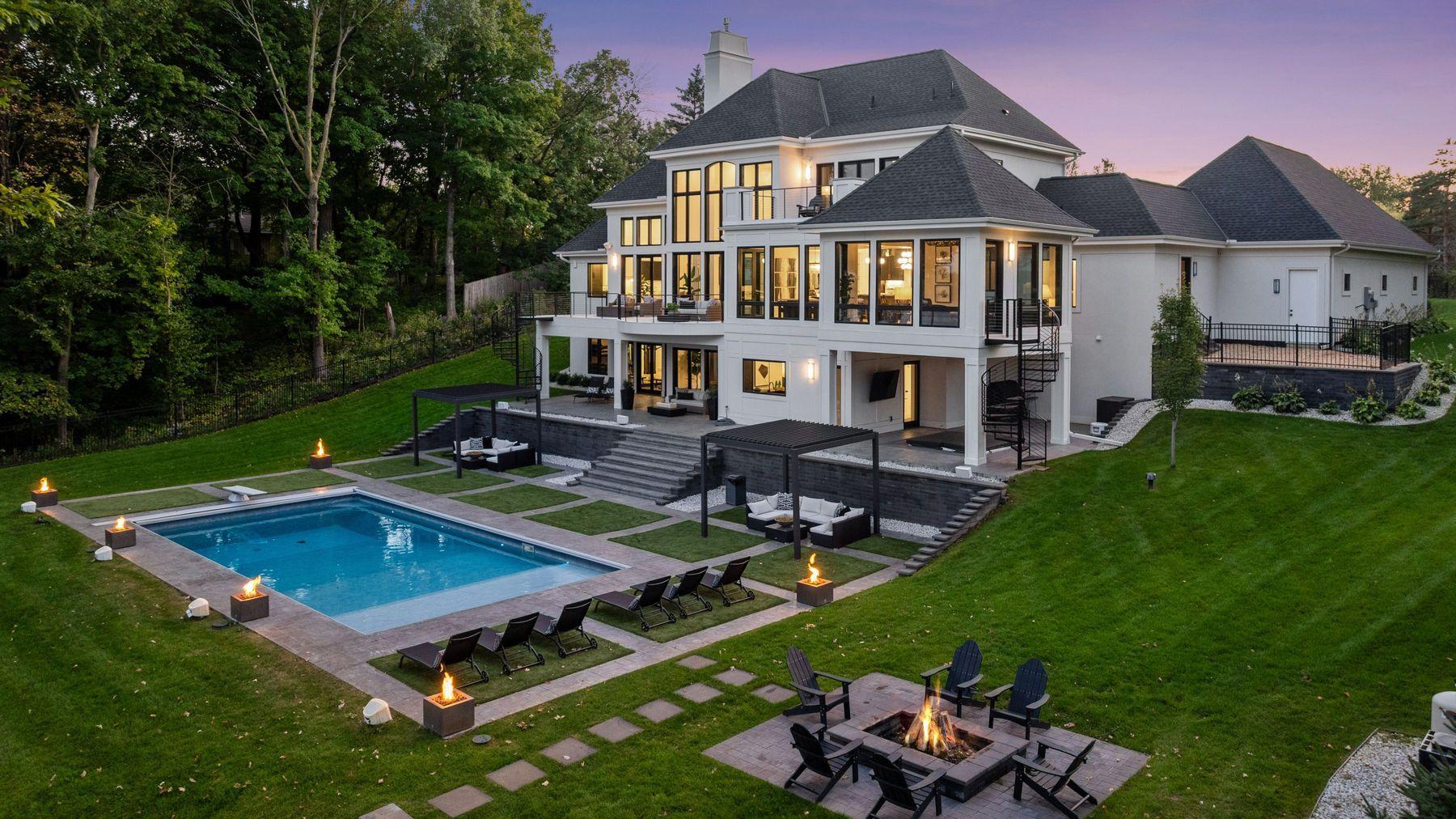
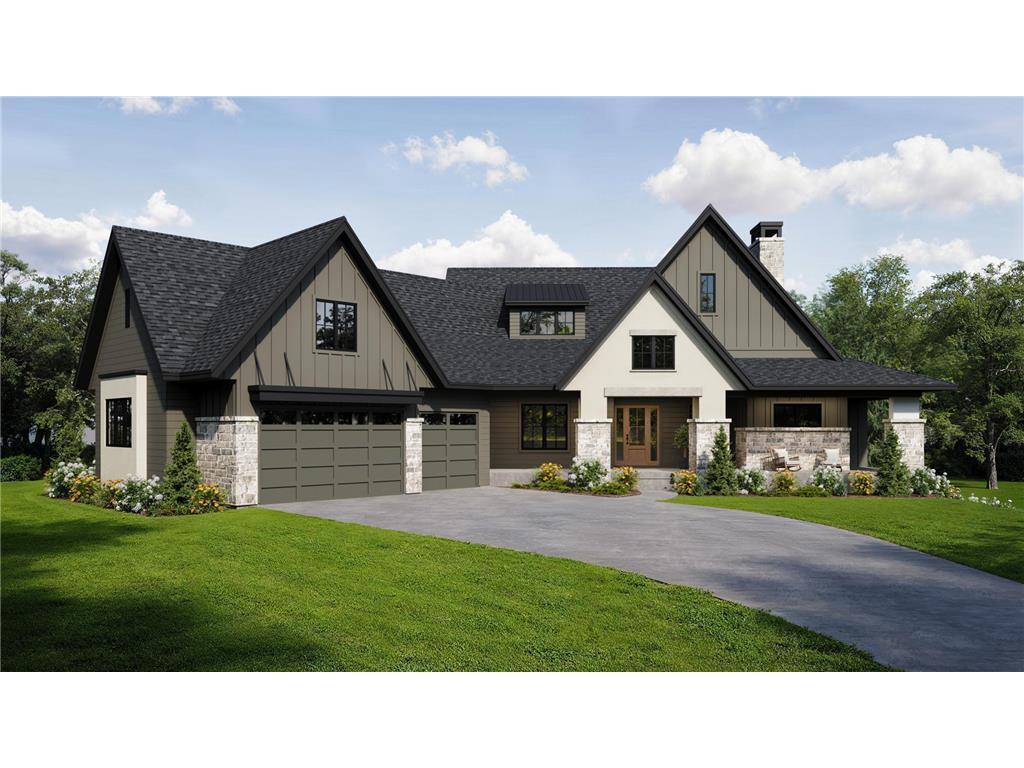
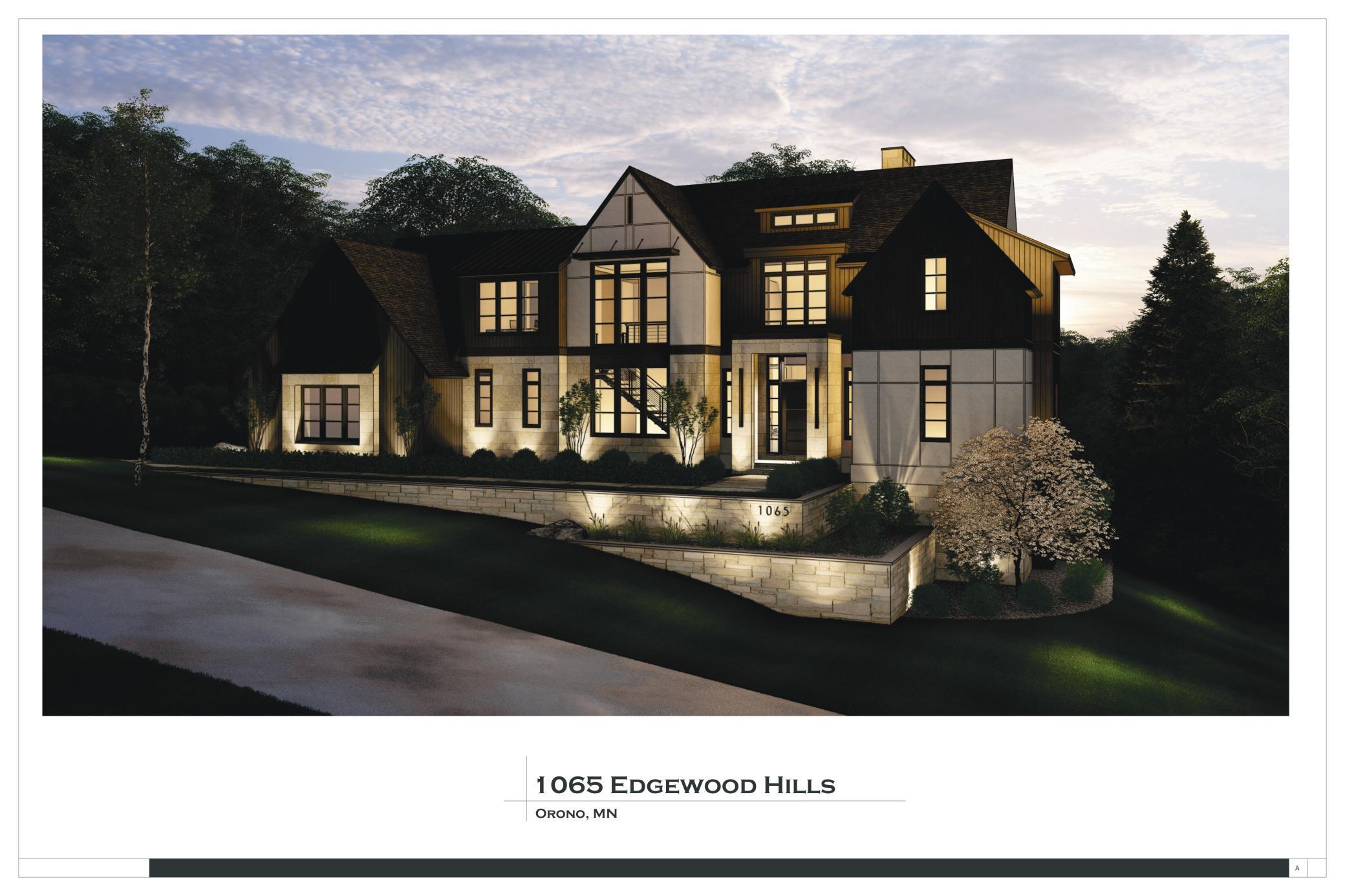
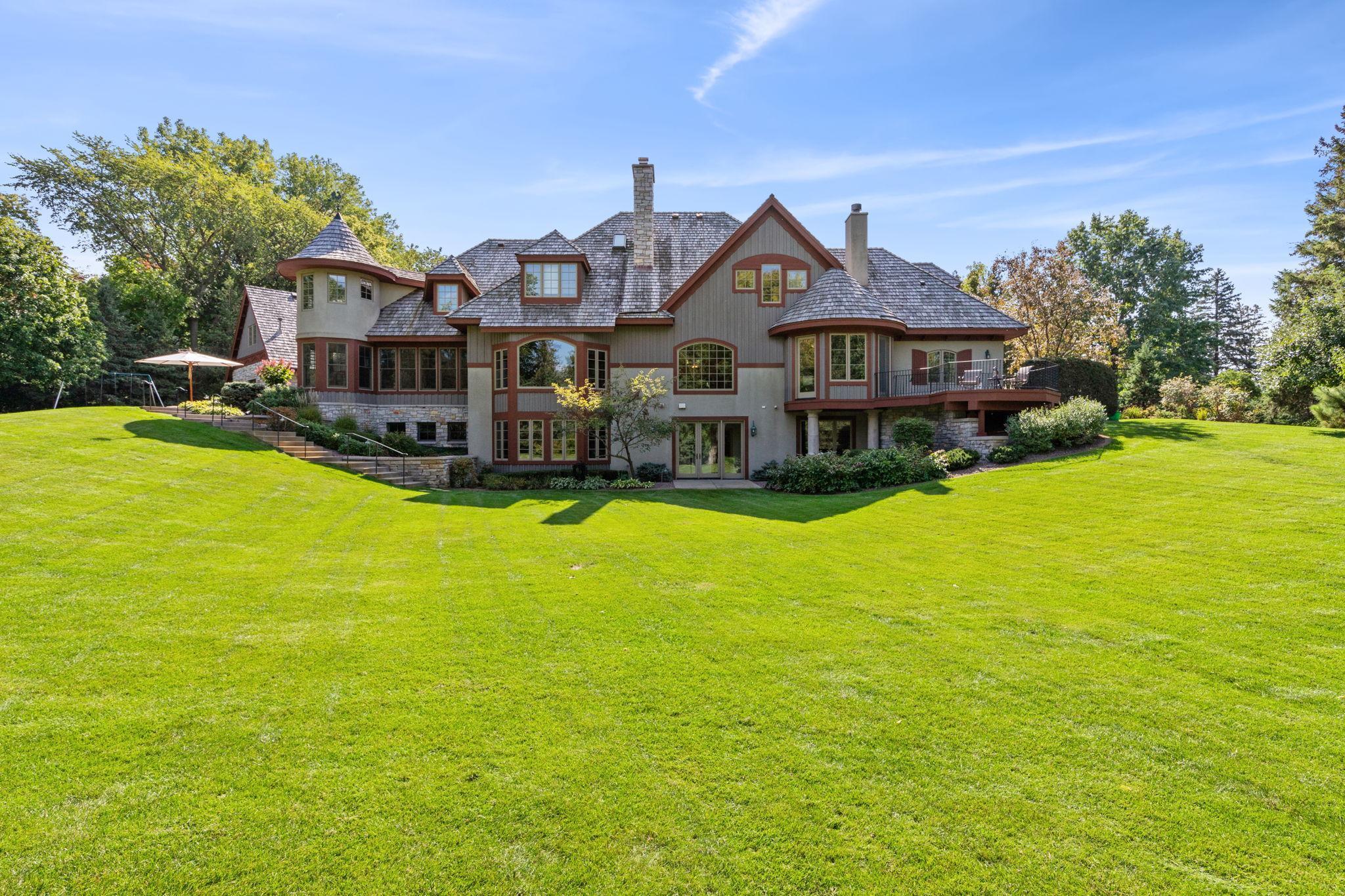
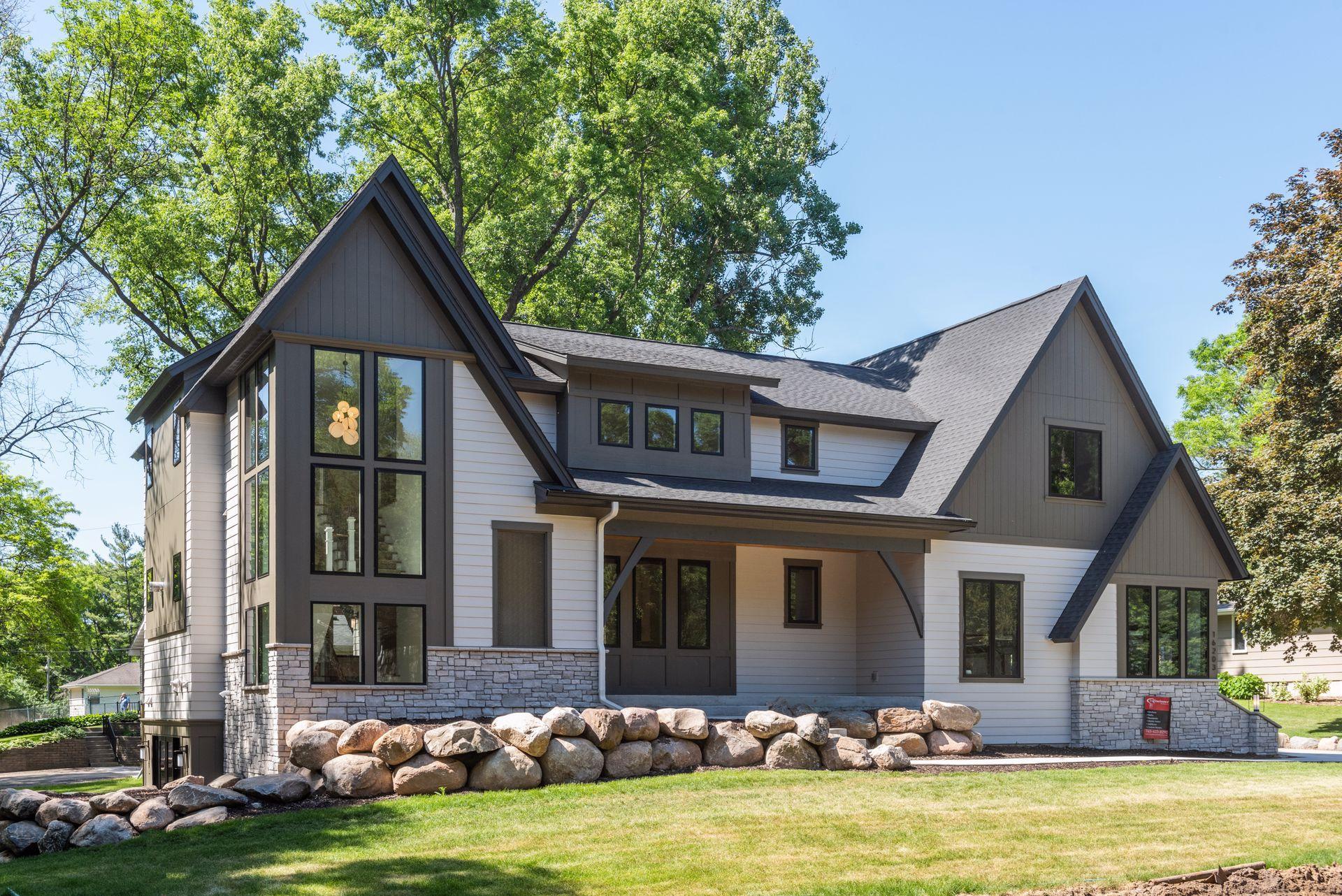
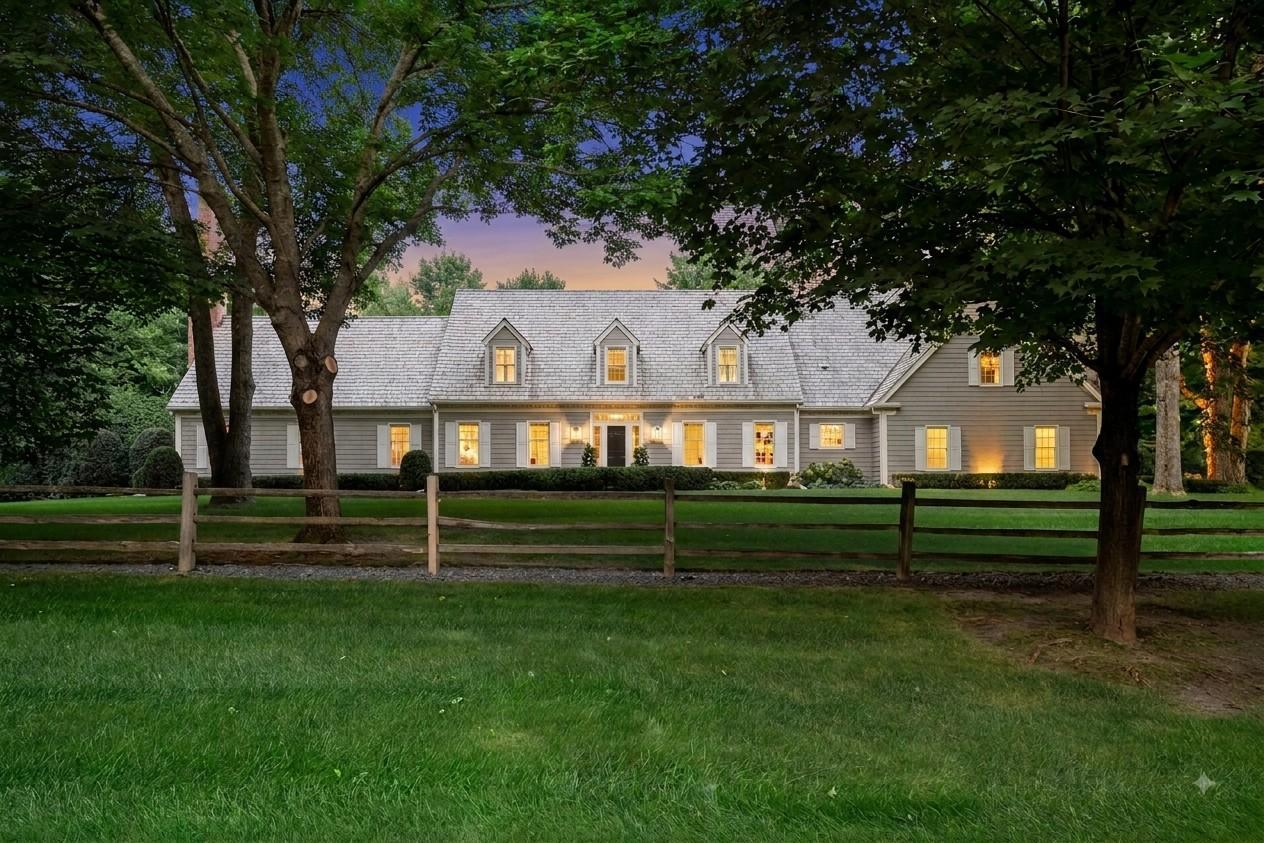
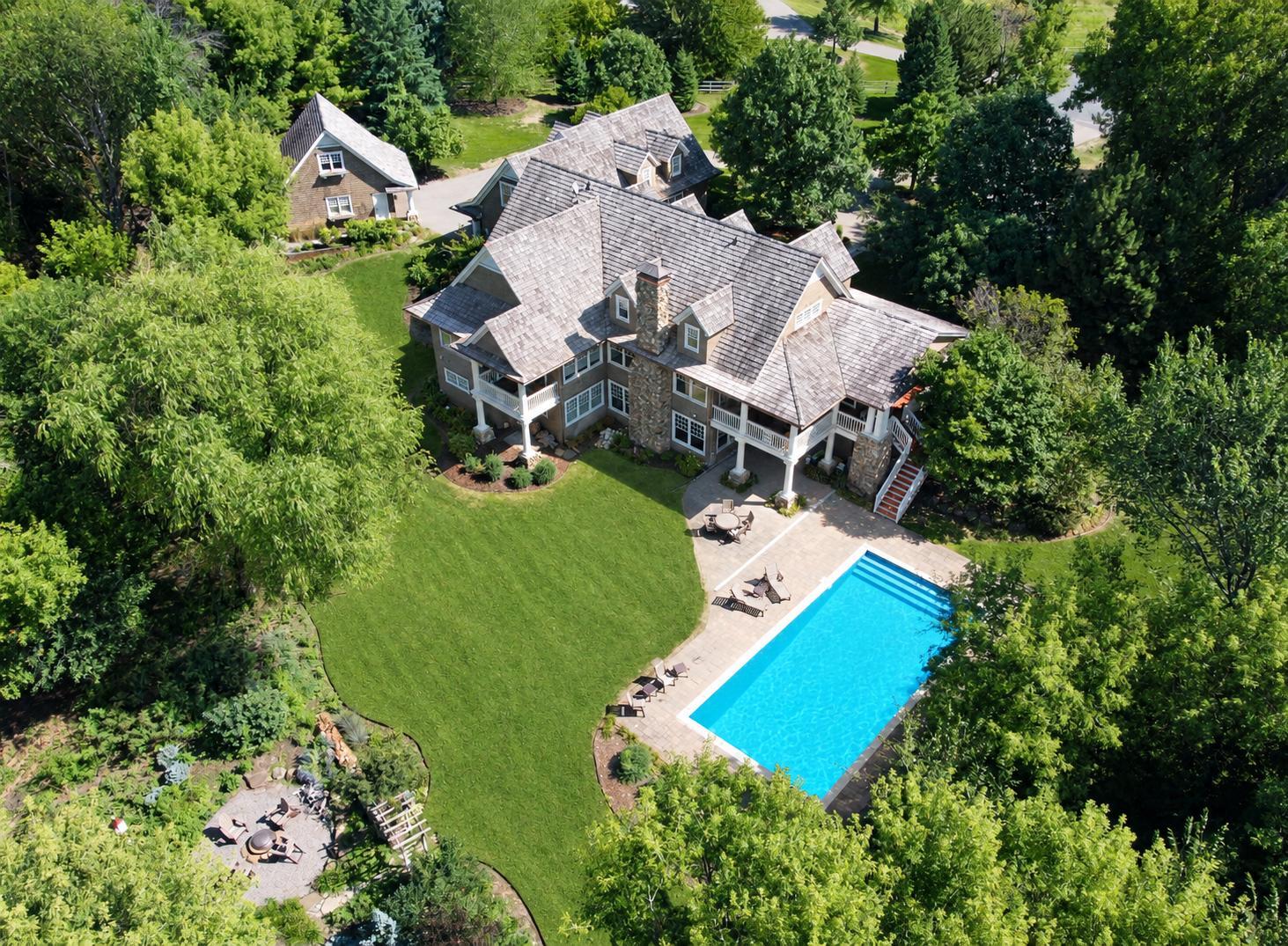
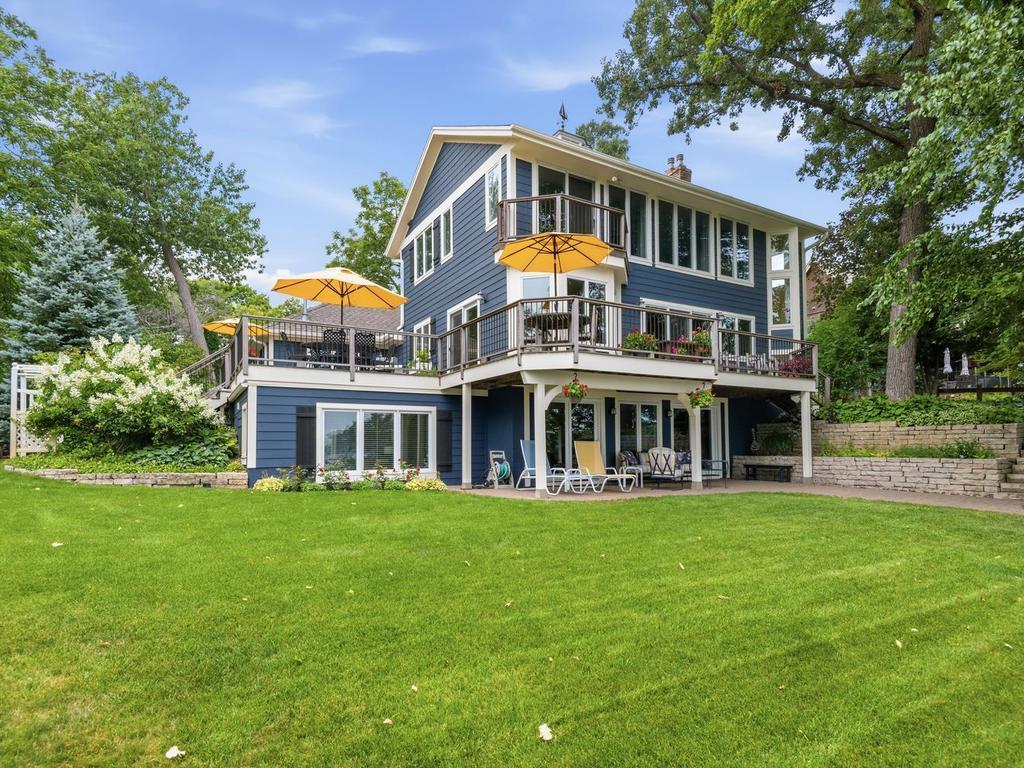
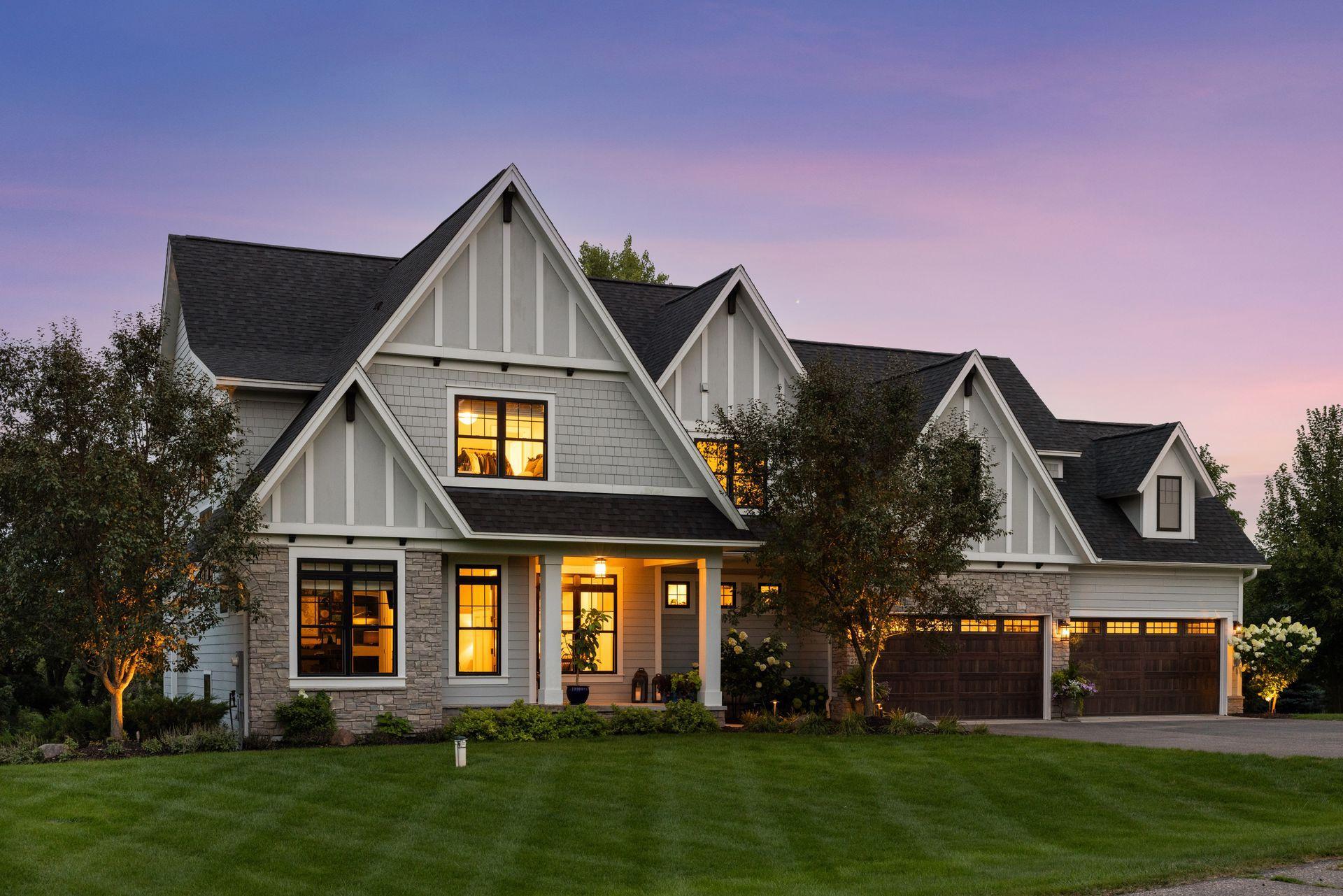
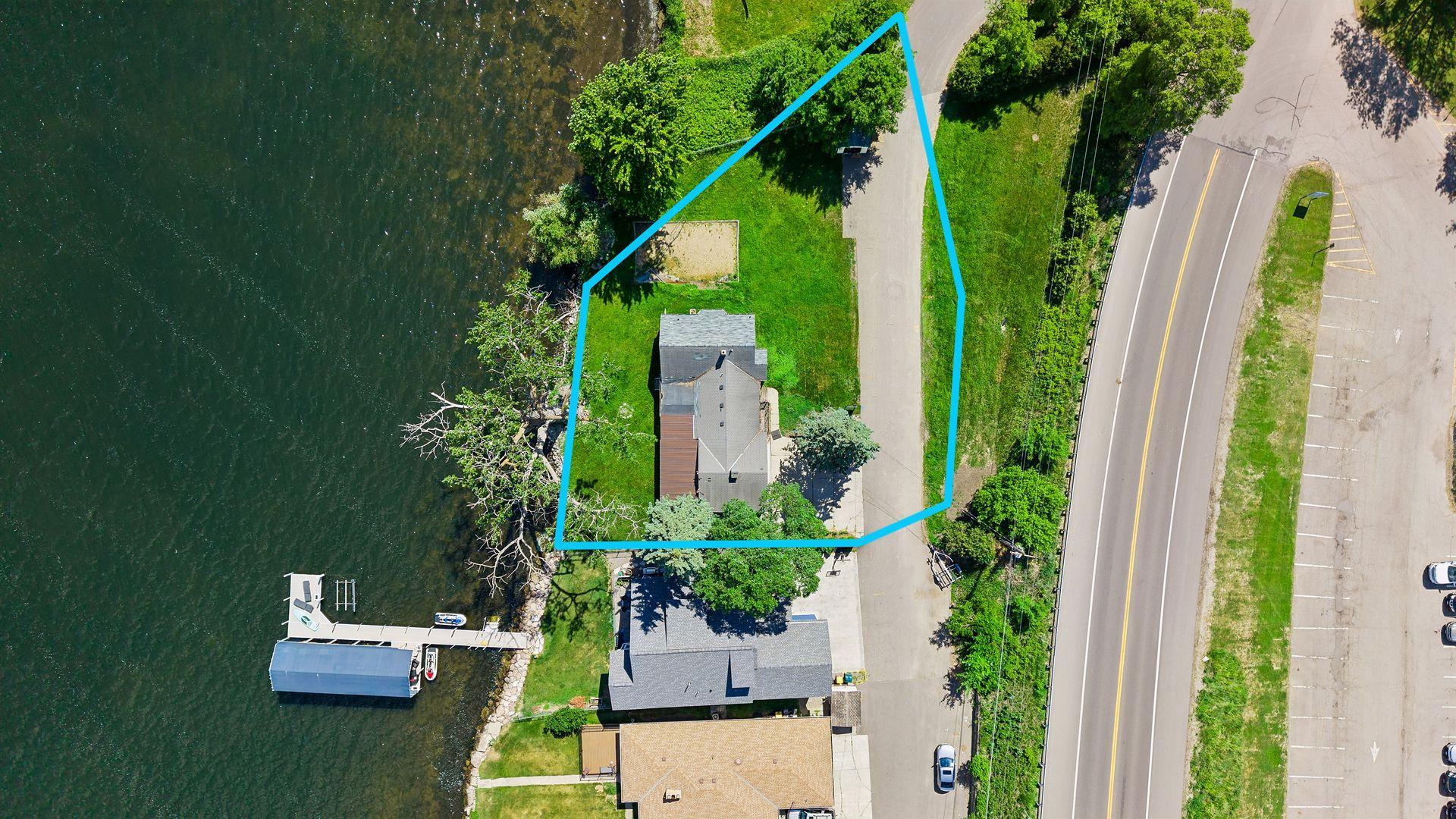
The architecture along the shore tells the story of the community's evolution. You'll find preserved early-twentieth-century summer estates, classic shingle-style lake homes, and striking modern showpieces standing within the same stretch of shoreline. Because prime water frontage is so scarce and so desirable, the past few decades have seen many older seasonal cabins and smaller mid-century homes replaced by custom-built, multi-million-dollar estates with private boat slips and sprawling landscaped lawns. Buying on the water in Orono is as much about securing an irreplaceable piece of shoreline as it is about the house that sits on it.
The Orono Real Estate Market
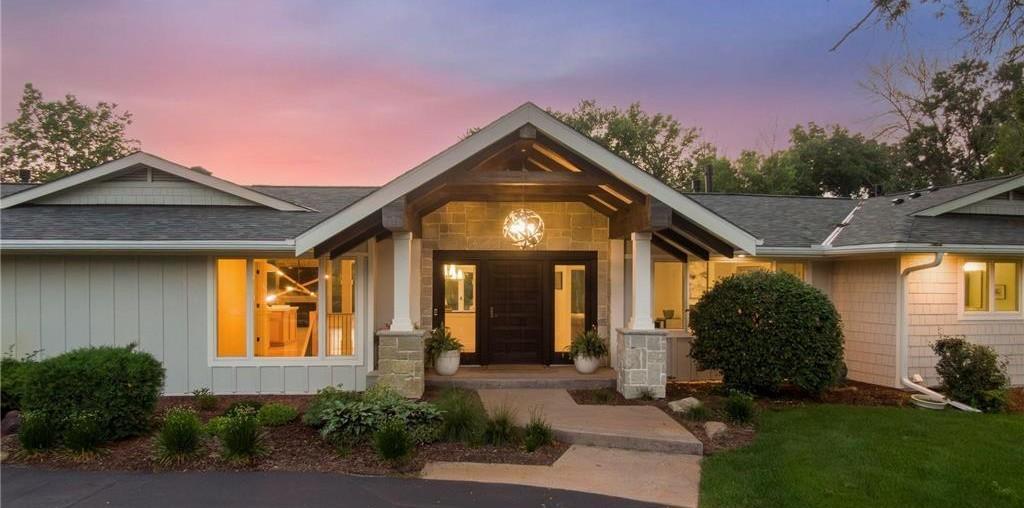
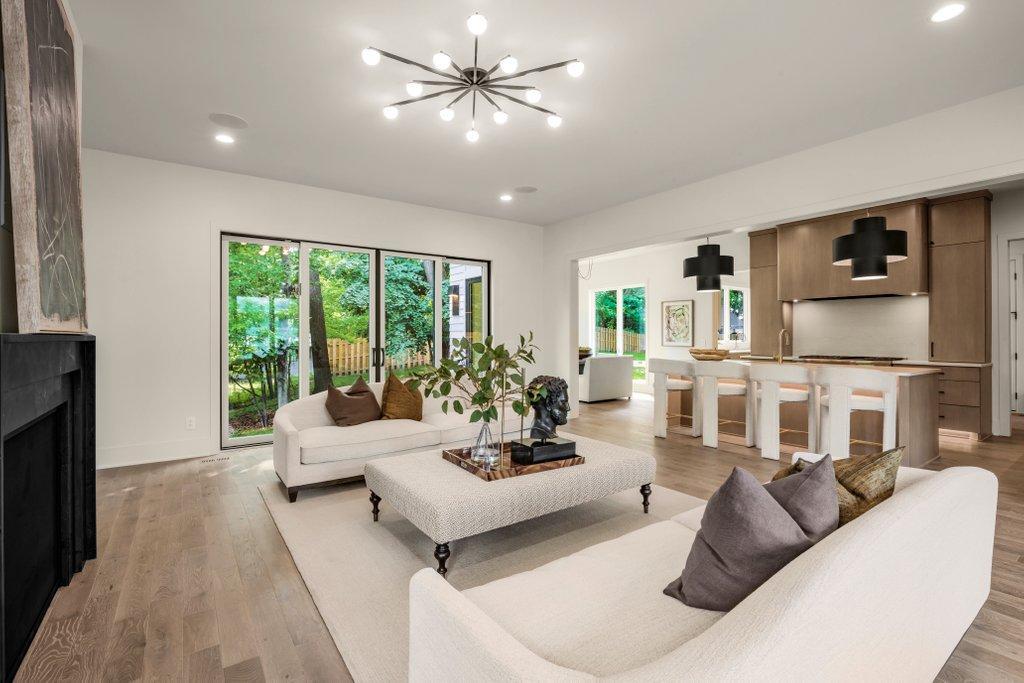
Orono holds one of the most prestigious and highest-valued real estate markets in the Twin Cities metro, driven by expansive lot sizes, privacy, and that prime Lake Minnetonka shoreline. The market spans a wide range, and understanding the tiers helps set realistic expectations. Typical single-family home values generally hover around $1.1 to $1.15 million, while luxury off-water acreage estates routinely sell between $1.5 and $3 million or more. Prime waterfront properties push well into the $3 to $10 million-plus range, depending on bay location, shoreline footage, and elevation.
Property Type | Typical Price Range |
|---|
Single-family homes | ~$1.1M – $1.15M |
Off-water luxury acreage estates | $1.5M – $3M+ |
Prime Lake Minnetonka waterfront | $3M – $10M+ |
Because inventory is composed largely of custom-built homes and luxury acreage rather than standard tract housing, turnover tends to be relatively low, and homes move most quickly during the spring and summer lake season. With limited vacant land remaining, much of the market now revolves around extensive renovations, teardowns on choice parcels, and the preservation of large-lot zoning that keeps dense subdivision development at bay. For buyers, this means opportunities are limited and often move fast when the right property surfaces—a reality that rewards working with someone who knows the market intimately and hears about listings early.
Schools and the Orono School District
For many families, the single biggest draw to Orono is its top-ranked public school system, Orono Public Schools (ISD 278)—and the district's structure is genuinely unusual. Rather than scattering schools across different neighborhoods, ISD 278 brings everything together on a single 120-acre unified campus on Old Crystal Bay Road near Long Lake. All four schools sit side by side: Schumann Elementary (grades PK–K), Orono Intermediate (grades 1–5), Orono Middle School (grades 6–8), and Orono High School (grades 9–12). For families with children of different ages, this centralized setup is a rare and highly practical advantage.
Beyond Orono itself, the district serves all or parts of Long Lake, Spring Park, Medina, Independence, Maple Plain, and Minnetonka Beach. Orono High School consistently ranks among the top public high schools in Minnesota, recognized for high graduation rates, robust Advanced Placement offerings, strong test performance, and competitive athletics and arts programs. The campus also includes standout facilities open to students and the broader community, among them the Orono Ice Arena, an indoor swimming pool, and the Orono Activities Center.
Parks, Trails, and Outdoor Recreation
Orono balances its private residential character with exceptional access to regional parks and trail networks, and outdoor life here extends well beyond the lake. The Dakota Rail Regional Trail is a standout—a paved, multi-use 28-mile route following a former railroad corridor that offers runners, walkers, and cyclists shaded vistas and rolling views of the lake's northern bays. Along the city's northern edge, the Luce Line State Trail provides a crushed-limestone path ideal for gravel biking, hiking, horseback riding, and winter cross-country skiing.
Two natural landmarks deserve special mention. Noerenberg Memorial Gardens, tucked along Crystal Bay and maintained by the Three Rivers Park District, is considered one of Minnesota's premier formal botanical gardens, with brick-paved walking paths, ornate pergolas, and lakefront views. Farther out, Baker Park Reserve occupies 2,700 acres on Lake Independence—partially within Orono's limits—and offers camping, golf at Baker National Golf Course, swimming beaches, ski trails, and paved biking loops. Together, these amenities mean residents rarely have to leave the area to find world-class recreation.
Dining, Shopping, and Local Businesses
Orono deliberately limits commercial zoning to preserve its quiet, residential feel, so shopping and dining are concentrated in a few distinct pockets or shared with neighboring towns. The Navarre commercial pocket, along Shoreline Drive on the city's western edge, serves as the primary local hub, with everyday conveniences, service shops, and a grocery store. Nearby—just over on Spring Park's border—sits Lord Fletcher's Old Lake Lodge, a regional institution famous for its massive lakefront patio and boat slips.
Because the small city of Long Lake is completely surrounded by Orono, its main street effectively functions as an extended downtown. Along the Highway 12 corridor you'll find Birch's on the Lake Brewhouse & Supperclub overlooking Long Lake, plus coffee shops, bakeries, and casual eateries. For higher-end retail and dining, residents turn east to downtown Wayzata, where Lake Street and The Promenade of Wayzata offer waterfront fine dining, boutique shopping, art galleries, and full-service marinas. In practice, Orono residents enjoy the best of several communities without any of the traffic and noise a commercial district would bring to their own doorstep.
Getting Around: Location and Commute
Despite its rural, spread-out feel, Orono sits just fifteen to eighteen miles west of downtown Minneapolis, which is what makes it so appealing to commuters who want space and privacy without giving up city access. US Highway 12 runs directly through the middle of Orono and transitions seamlessly into I-394 heading east—a straight shot into downtown Minneapolis that takes around 25 to 30 minutes under normal conditions, stretching to 35 to 45 during peak rush hours.
Interstate 494, about ten minutes east in Minnetonka, connects drivers quickly to the southern suburbs like Edina and Bloomington and to Minneapolis-Saint Paul International Airport, typically a 30-to-35-minute drive. For those who prefer not to drive, Metro Transit operates express bus routes—such as Route 645—stopping along Highway 12 and Shoreline Drive and running into the heart of downtown. The upshot is a community that feels far removed from the city while remaining genuinely commutable.
Community Life and Local Events
Because Orono emphasizes private residential space, community life tends to center on school sports, park district programming, and seasonal gatherings shared with neighboring lake communities. School and youth athletics are a primary social anchor—Friday night football, hockey at the Orono Ice Arena, and community education events bring neighbors together throughout the year, and Spartan pride runs deep. Summer, of course, is peak season, with residents spending weekends boating, paddleboarding, sailing local regattas, and docking at waterfront spots around the lake.
Some of the year's biggest gatherings happen just next door. James J. Hill Days in Wayzata is a major three-day autumn festival with a street market, carnival, parade, and lakefront concerts, while Mound's Spirit of the Lakes Festival brings live music, food trucks, and fireworks over the water. Closer to home, Noerenberg Memorial Gardens hosts guided horticultural walks, historical tours, and seasonal displays along Crystal Bay. It's a rhythm of community life built around the seasons and the lake rather than a central town square.
Who Orono Is Right For
Orono appeals to a specific kind of buyer—one who values privacy, natural beauty, and high-end living in equal measure. Families prioritizing top-tier public education are among the most common, drawn by the ISD 278 district and its rare unified campus where every grade from preschool through twelfth sits together. Privacy and space seekers form another natural fit: if you want a luxury custom home on two to five or more acres, with mature woods or equestrian capabilities, and you don't want to be hours from a major metro, Orono is one of the very few places in the Twin Cities that delivers it.
The community is equally suited to boating and water enthusiasts who want direct access to Lake Minnetonka's bay network—especially those who prefer quiet, wooded coves to dense resort activity. And with a 25-to-30-minute commute to downtown Minneapolis, Orono is a favorite among executives, business owners, and medical professionals looking for a serene, semi-rural retreat at the end of the workday. If any of these descriptions sound like you, the community is worth exploring in person.
What to Know Before Buying in Orono
Buying in Orono calls for a bit more due diligence than a standard suburban purchase, largely because of the environmental regulations, lot configurations, and city ordinances that come with rural and lakeshore property. A few things are worth understanding before you make an offer.
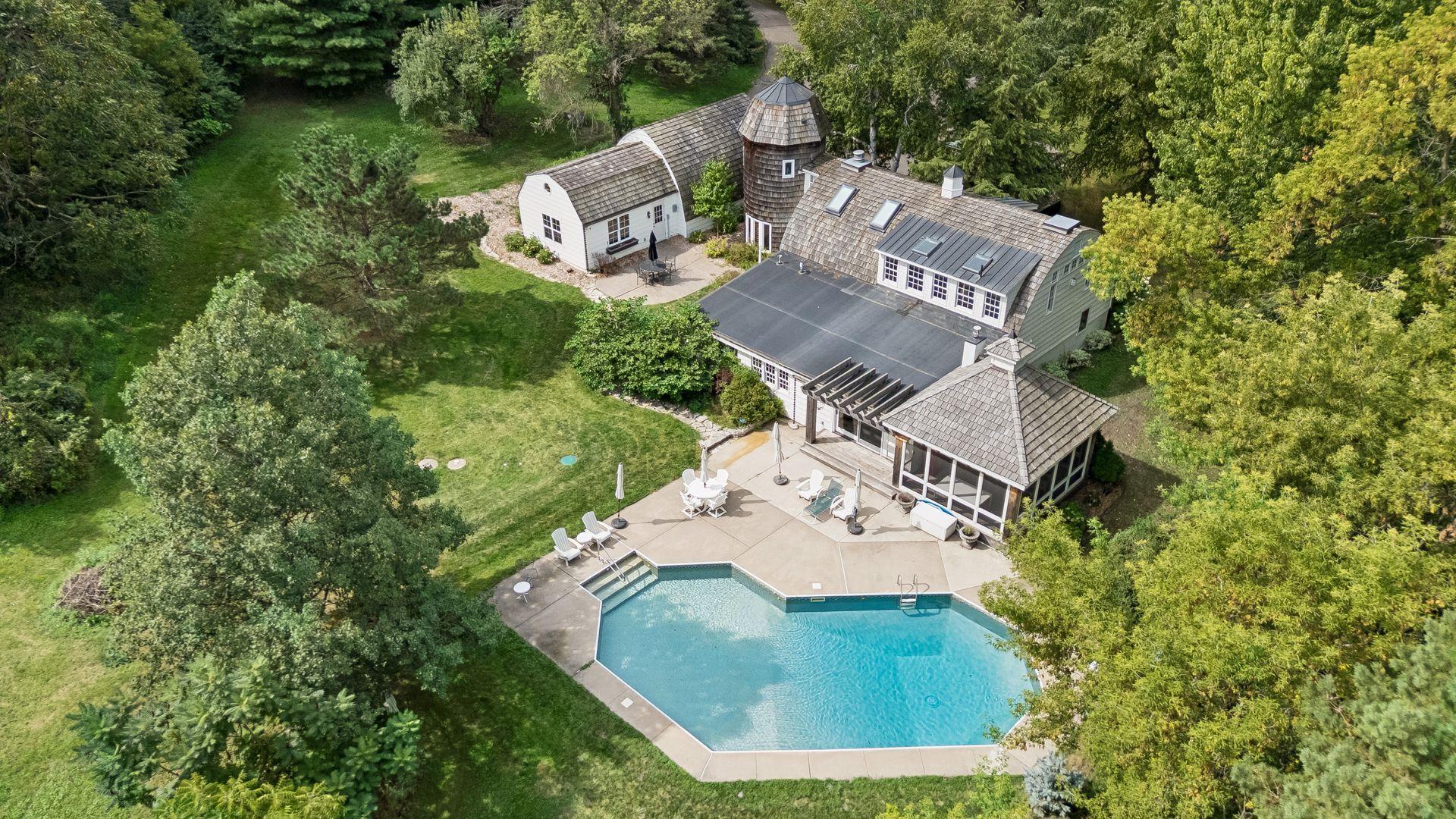
Many inland acreage lots and older lake properties rely on private wells and individual septic systems rather than city sewer and water. Minnesota state and Hennepin County laws strictly govern septic compliance, and replacing a failed drainfield can cost tens of thousands of dollars—which makes a pre-purchase septic inspection essential. Zoning is equally important: to keep the area low-density and manage runoff, Orono enforces strict limits on impervious surface coverage (often called hardcover) and on building setbacks, especially near shoreline and wetlands. If you plan to add a pool, expand a driveway, or build an addition, you'll want to verify lot coverage limits first.
Waterfront buyers have an additional layer to consider. Dock lengths, boat slip permits, and watercraft limits are regulated by the Lake Minnetonka Conservation District (LMCD) alongside city zoning, so it's critical to confirm recorded dock rights, bay-specific restrictions, and existing permits before closing. Finally, remember that Orono's limited commercial development means a five-to-ten-minute drive into Wayzata, Long Lake, or Mound for gas, groceries, or dining. For most Orono residents, that trade-off is exactly the point—but it's worth going in with clear expectations.
Work With Beth Ulrich (Ulrich Real Estate Group)
Navigating Orono's market—with its scarce inventory, layered regulations, and wide range of price tiers—is far easier with a local expert who knows the community from the inside. That's where Beth Ulrich and the Ulrich Real Estate Group come in. Beth began her real estate career in 1993 and quickly became one of the top agents in the Twin Cities, later building deep expertise in the luxury home and condominium market throughout Wayzata and the surrounding Lake Minnetonka communities. A U.S. Army veteran known for pairing genuine personal attention with real professional drive, she brings both market knowledge and a track record of results to every client relationship.
Whether you're searching for a wooded acreage estate, a waterfront home on one of Orono's protected bays, or simply want an honest read on the market, Beth and her team would be glad to help. You can reach Beth Ulrich at (612) 964-7184 or [email protected], or stop by the office at 401 Lake Street East, Unit 200, Wayzata, MN 55391. Consider this an open invitation to start the conversation whenever you're ready.