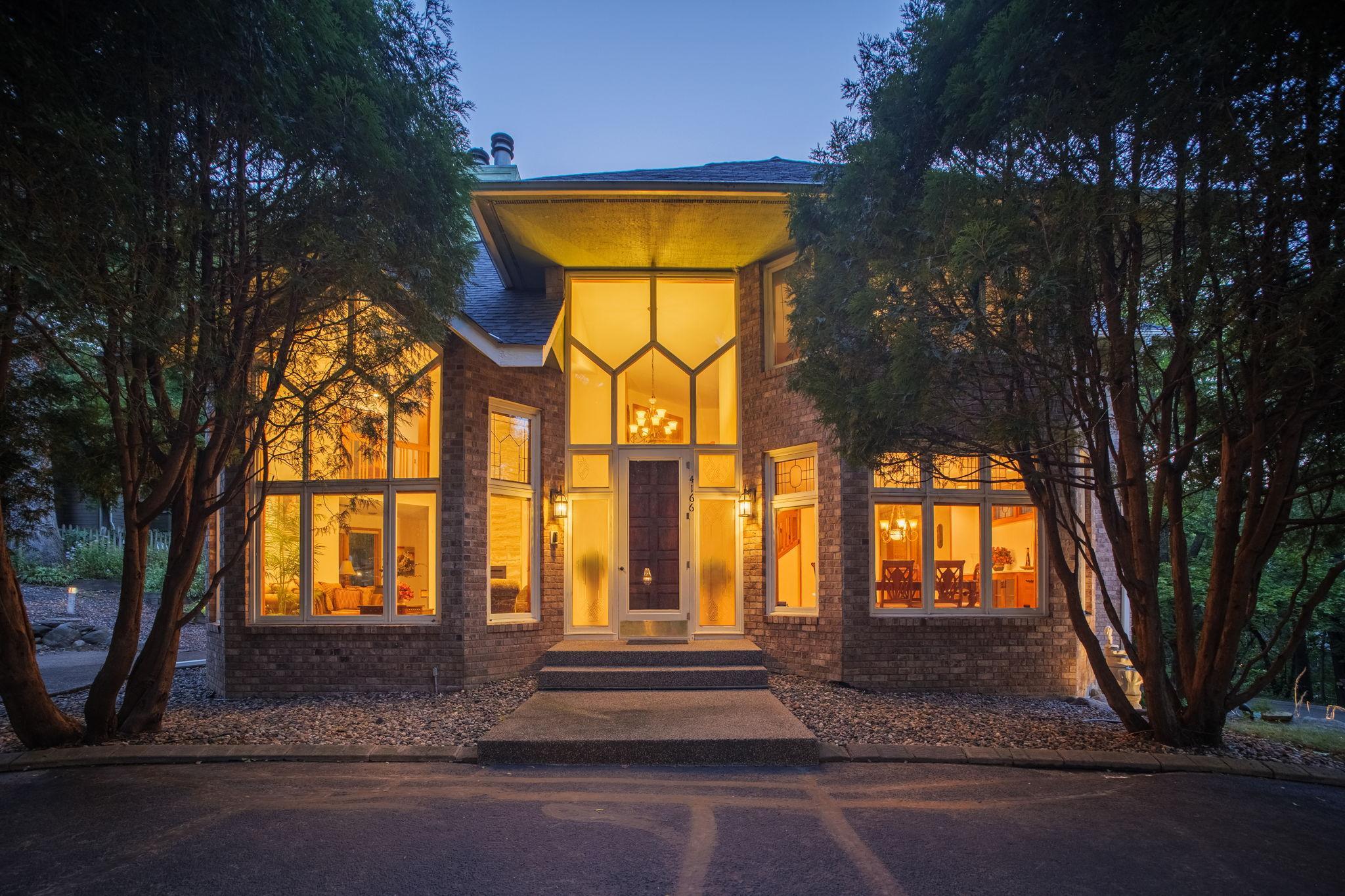
53,256 people live in Minnetonka, where the median age is 42.8 and the average individual income is $73,713. Data provided by the U.S. Census Bureau.
Total Population
Median Age
Population Density Population Density This is the number of people per square mile in a neighborhood.
Average individual Income
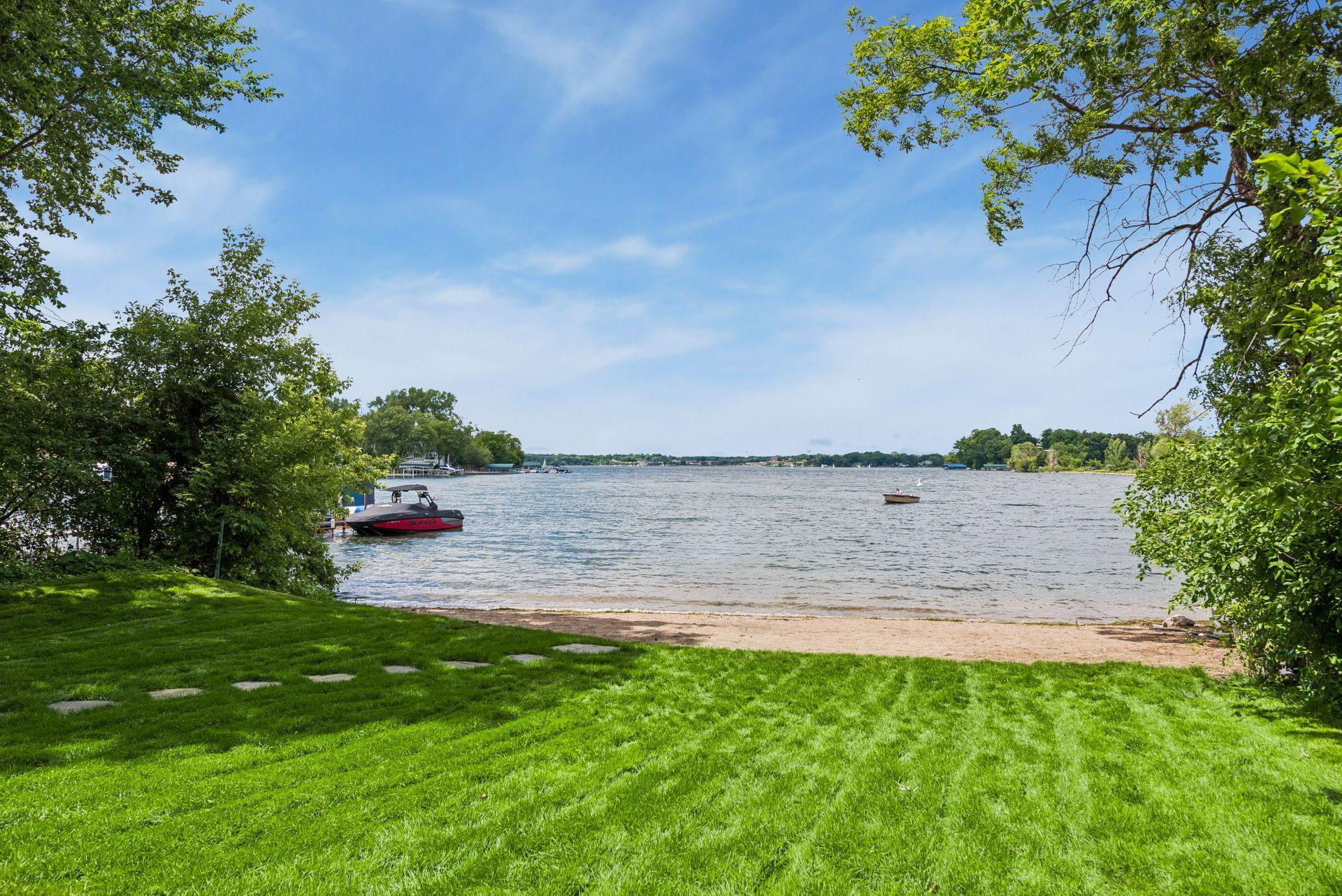
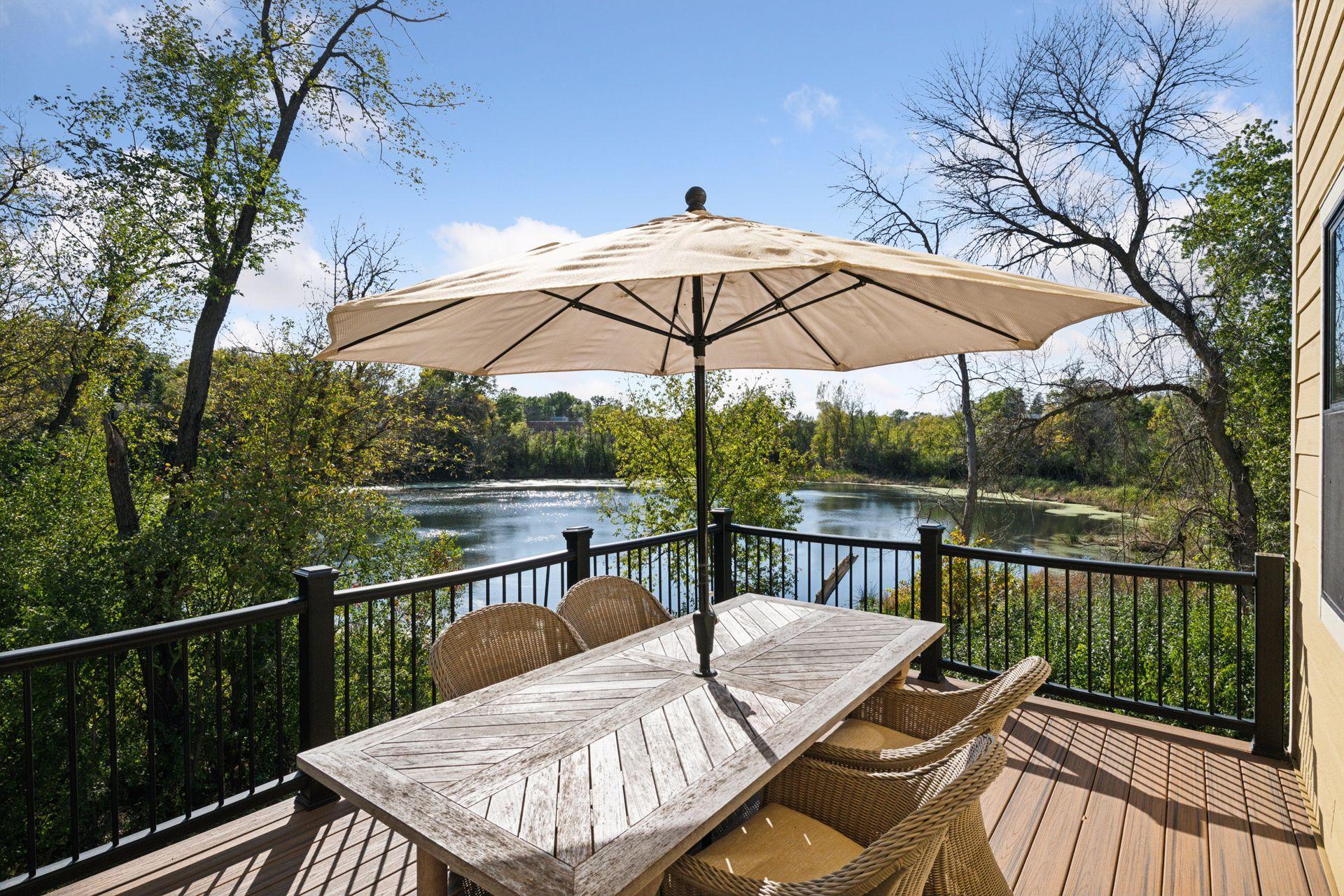
Minnetonka sits just west of Minneapolis in Hennepin County, offering a balanced suburban lifestyle that blends natural beauty with modern convenience. The city stretches across approximately 28 square miles, with much of its identity shaped by Lake Minnetonka's intricate shoreline and the chain of smaller lakes scattered throughout.
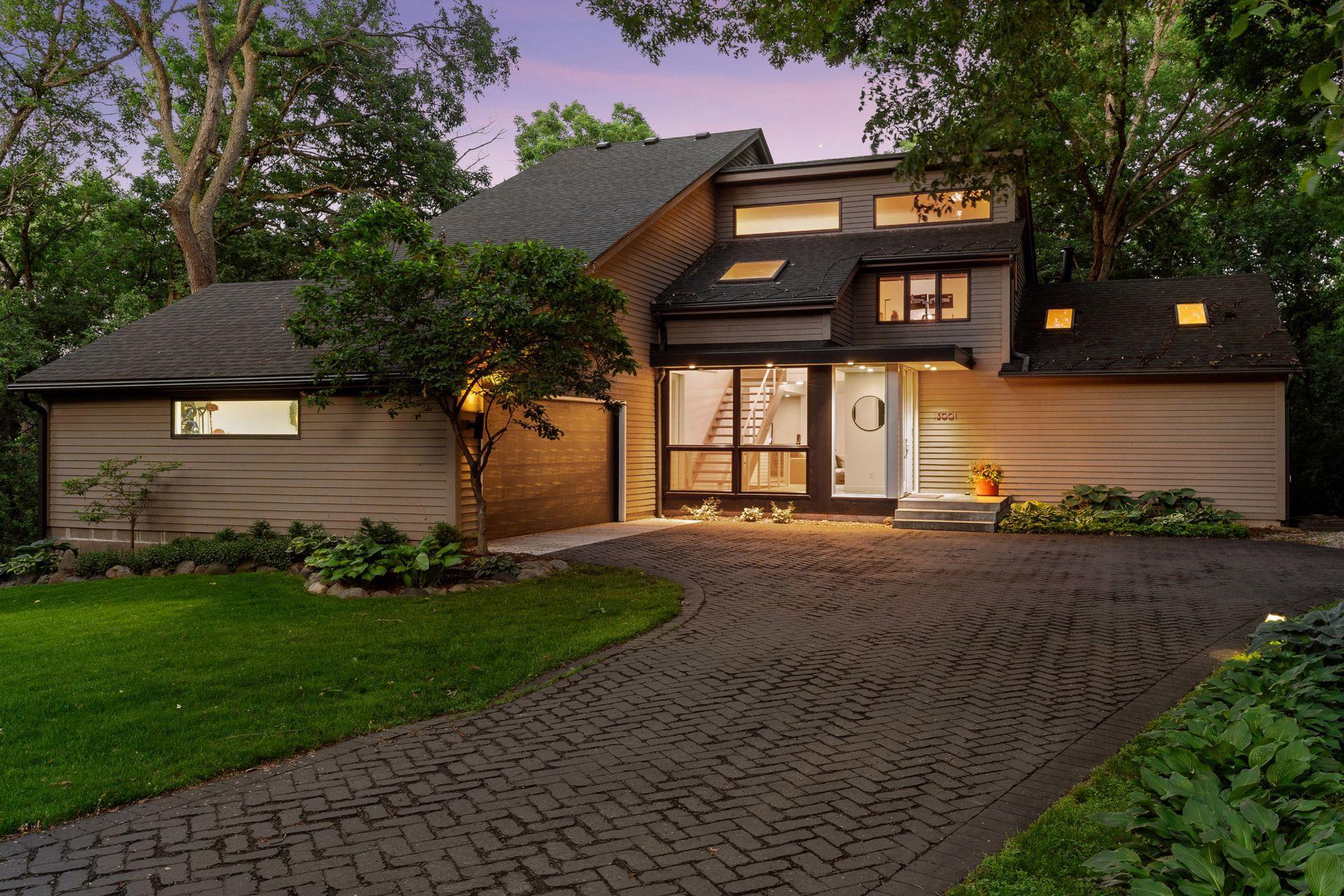
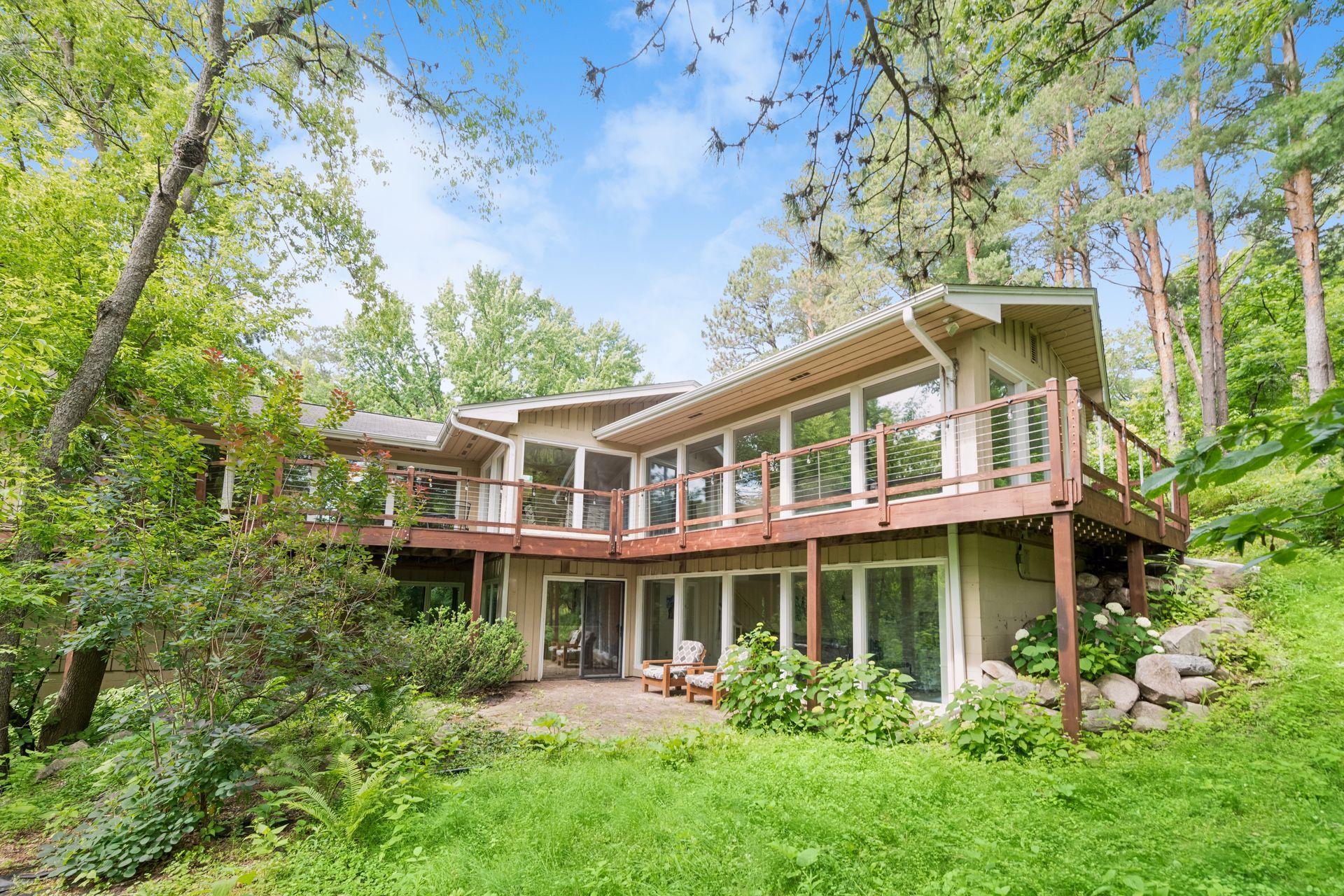
The community attracts families seeking top-rated schools, professionals wanting shorter commutes to downtown Minneapolis, and retirees drawn to the area's recreational amenities and established neighborhoods. Tree-lined streets, well-maintained parks, and a mix of mid-century homes alongside newer construction create a polished yet approachable atmosphere.
Minnetonka's appeal centers on accessibility—residents enjoy quick access to major employment centers while maintaining a residential feel with minimal traffic congestion. The city's extensive trail systems, multiple shopping districts, and proximity to Lake Minnetonka's recreational opportunities make it a practical choice for those wanting both urban conveniences and outdoor activities within minutes of home.
Minnetonka's development accelerated after World War II when returning veterans and growing families sought suburban alternatives to Minneapolis. What began as scattered farmland and summer cottage communities transformed into a thriving residential suburb throughout the 1950s and 1960s. The construction of Highway 7 and Interstate 494 made commuting feasible, spurring rapid residential development.
The city incorporated in 1956, consolidating several smaller communities and establishing governance over the expanding suburban landscape. Developers built neighborhoods of ranch-style and split-level homes during this era, many of which still define the character of established areas like Birchwood and Fernbrook.
Lake Minnetonka's shoreline has long attracted seasonal residents, but the late 20th century saw these properties transition from summer retreats to year-round luxury homes. The lakefront real estate market evolved into one of the Twin Cities' most exclusive, with custom estates and gated communities emerging along the water.
Commercial development followed residential growth. Ridgedale Center opened in 1974, becoming a regional shopping hub. Corporate campuses, including Cargill's headquarters and UnitedHealth Group facilities, established Minnetonka as an employment center rather than simply a bedroom community. This diversification attracted higher-income residents and reinforced the city's reputation for quality schools and services.
Minnetonka draws established families prioritizing education and stability. Parents with school-age children comprise a significant portion of residents, attracted by the highly-rated Minnetonka Public Schools and the abundance of youth sports programs, activities, and safe neighborhoods.
Empty nesters and retirees remain in the community after raising families here, drawn to the area's walkability, low crime rates, and proximity to healthcare facilities. Many downsize from larger homes but stay within Minnetonka to maintain community connections and access to familiar amenities.
Young professionals, particularly those working for major employers like UnitedHealth Group, Cargill, or companies in the western Twin Cities corporate corridor, choose Minnetonka for its reasonable commute times and apartment options near commercial centers. These residents often transition to homeownership within the city as careers advance.
Lake Minnetonka's shoreline attracts affluent buyers seeking waterfront estates or luxury townhomes with boat slips and lake access. This segment includes both primary residents and seasonal homeowners who split time between Minnetonka and warmer climates.
The community's economic stability, reflected in median household incomes well above state averages, creates a resident base focused on maintaining property values, supporting local schools, and preserving the area's natural environment. Recreational enthusiasts—sailors, cyclists, and trail users—find the lifestyle particularly appealing.
Minnetonka's real estate market in early 2025 reflects a stabilizing environment after the volatility of 2022-2023. Median sale prices for single-family homes currently hover around $575,000, though lakefront properties and luxury estates regularly exceed $2 million. The market shows modest appreciation of approximately 3-4% annually, more conservative than the double-digit gains seen during the pandemic years.
Inventory levels have improved compared to the severe shortage of 2021-2022, with active listings typically ranging between 60-90 homes at any given time. This increased supply has shifted the market from extreme seller favorability to more balanced conditions, though desirable properties in top school districts still generate competitive offers.
Days on market average 30-45 days for well-priced homes, with premium lakefront listings sometimes requiring 60-90 days to find qualified buyers. Homes priced correctly for condition and location typically receive offers within the first few weeks, while overpriced listings languish and eventually require price reductions.
Sale-to-list price ratios currently sit around 98-99%, indicating that most homes sell near asking price but the multiple-offer situations common in 2021-2022 have largely disappeared. Buyers now have more negotiating power regarding inspections, repairs, and closing timelines than in recent years.
The luxury segment ($1.5 million and above) experiences more variability, with properties taking longer to sell and price reductions more common. Inventory in this range is higher relative to demand, favoring buyers willing to wait for the right property. Mid-range homes ($400,000-$800,000) in established neighborhoods with good schools continue to move most consistently.
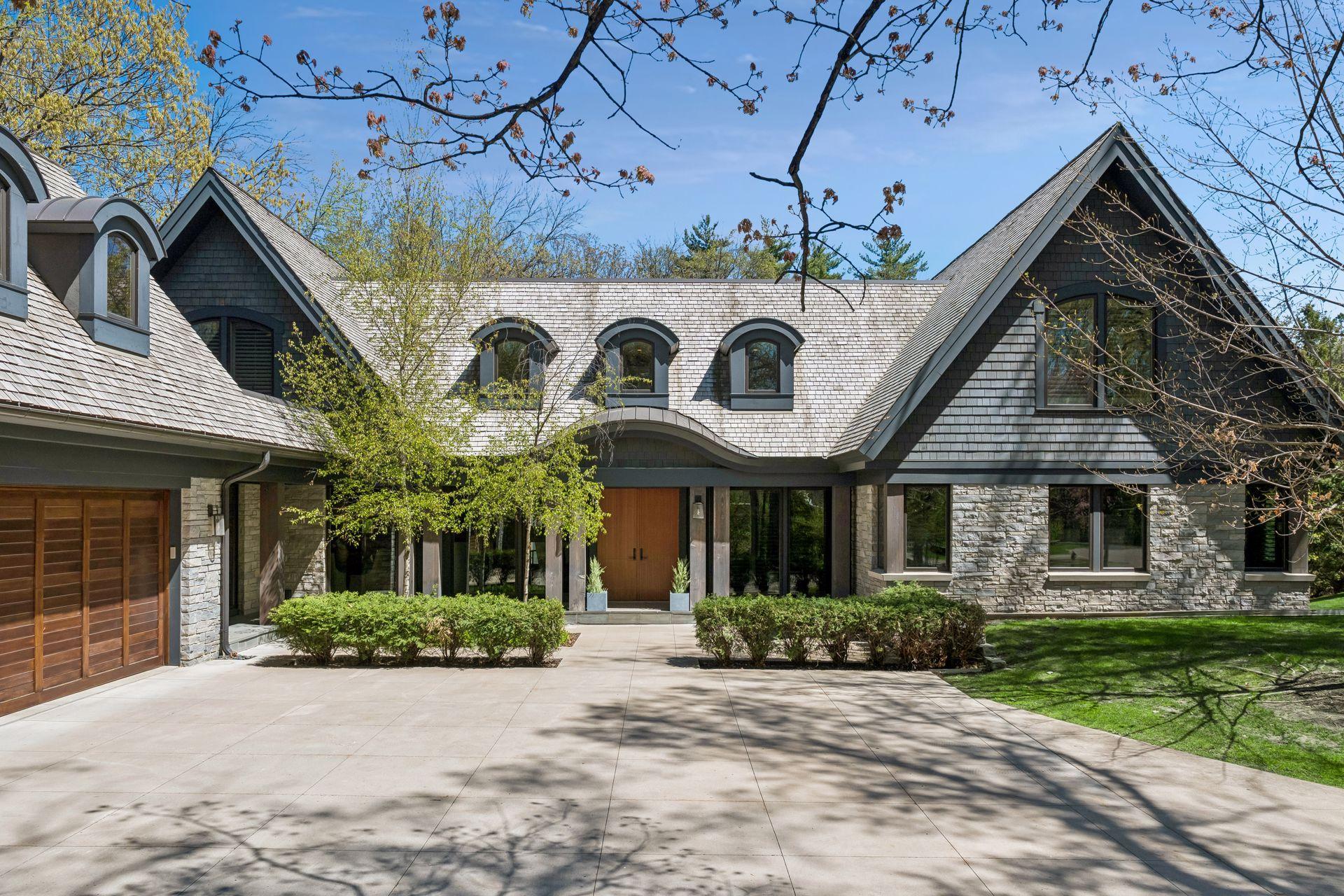
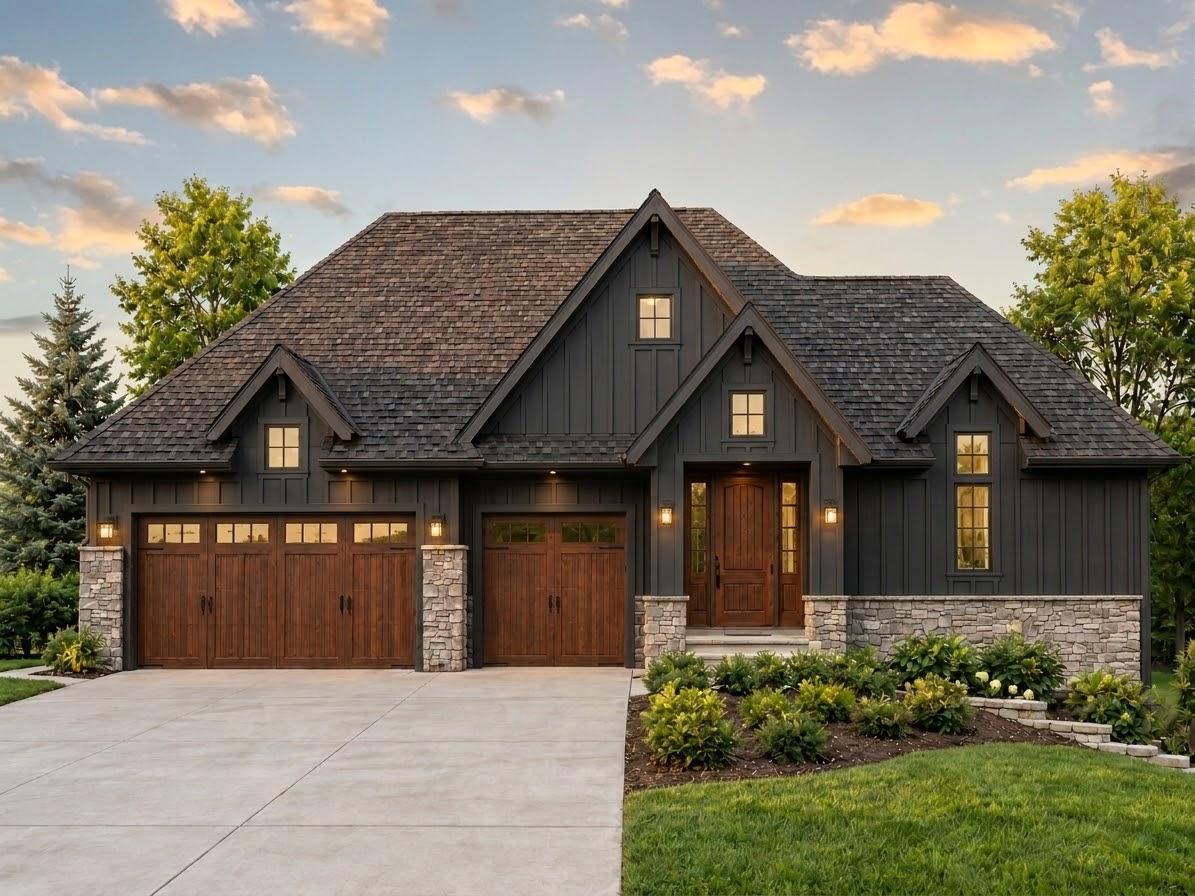
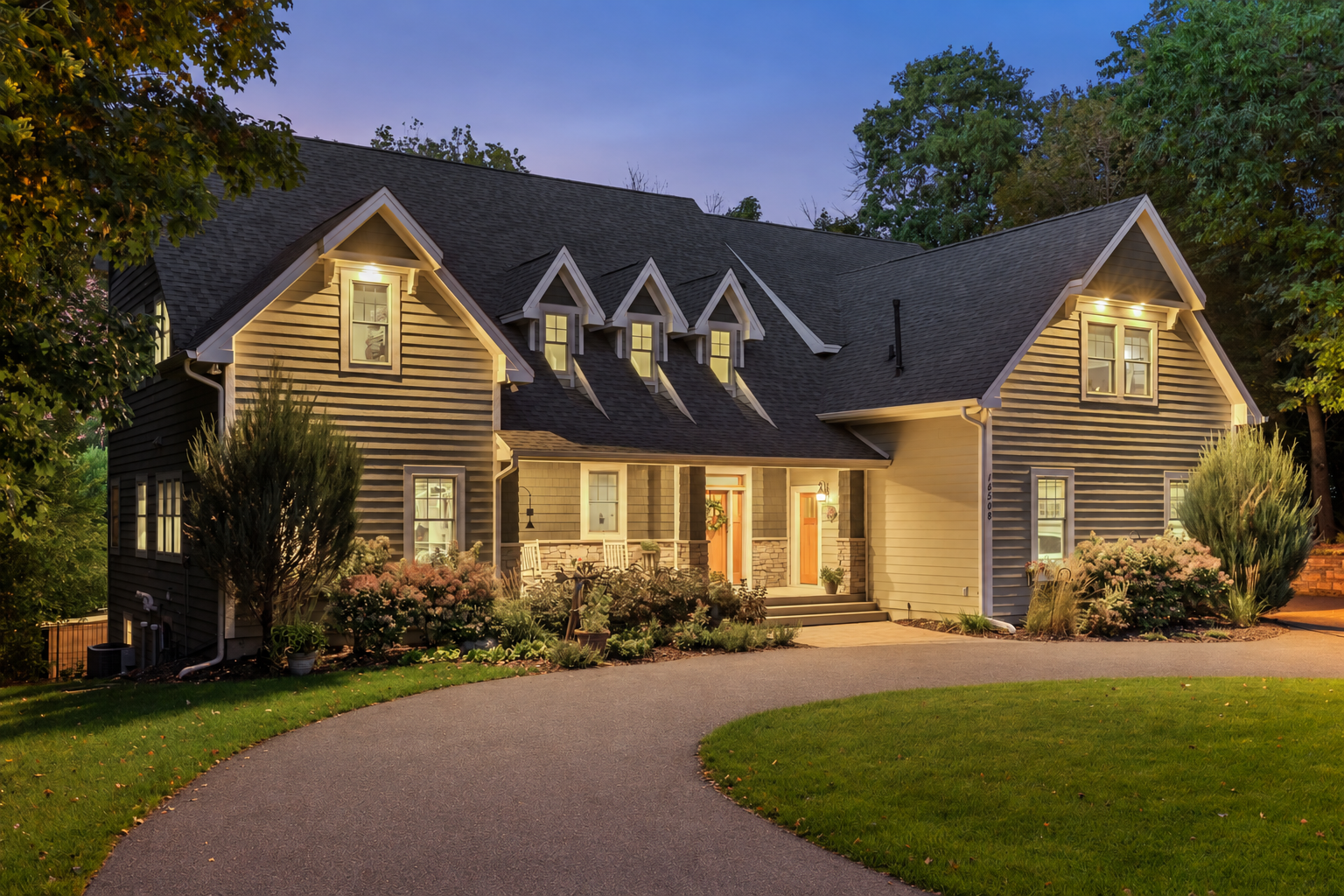
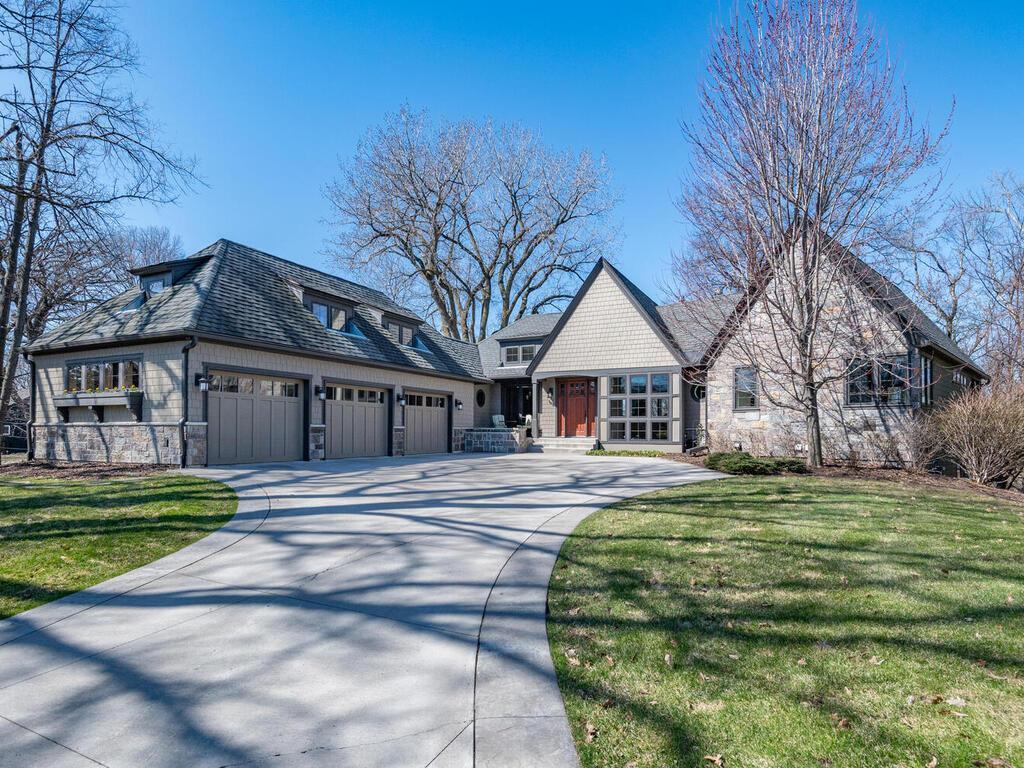
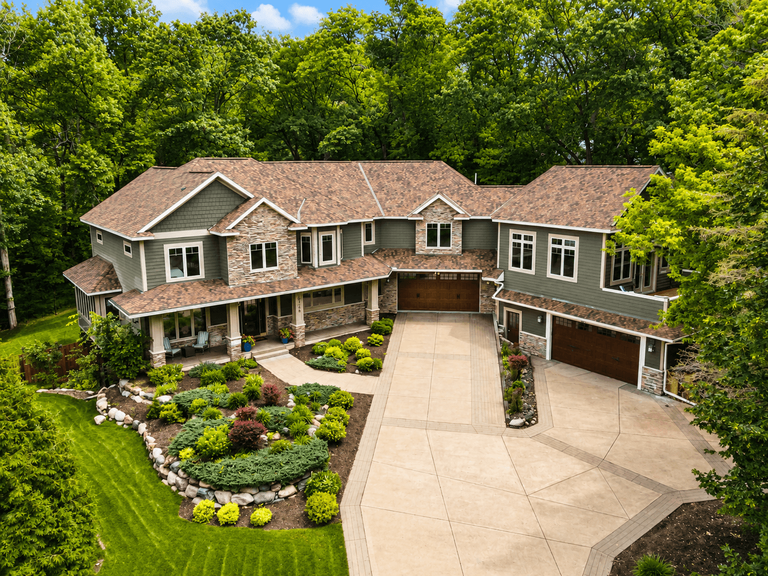
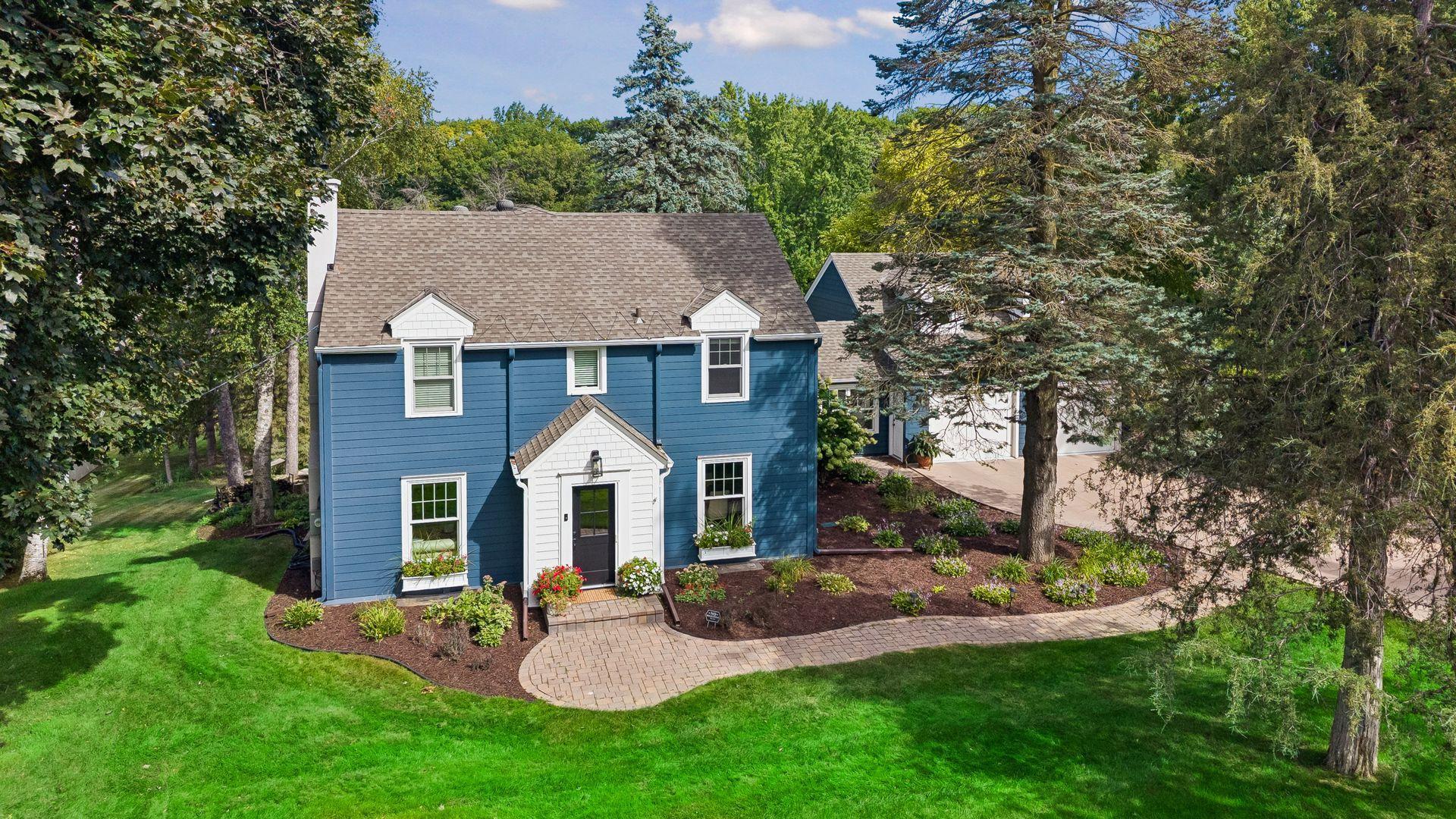
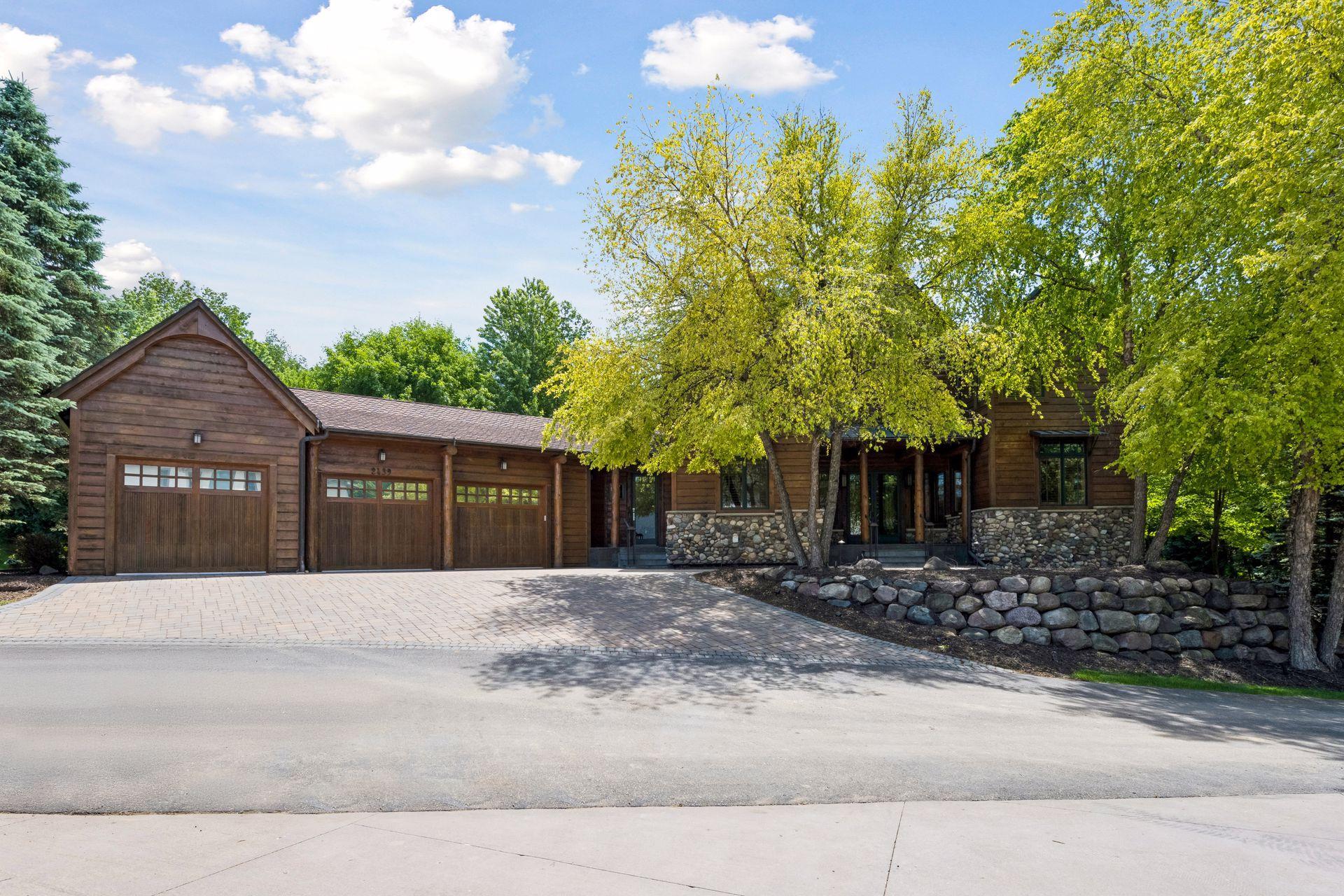
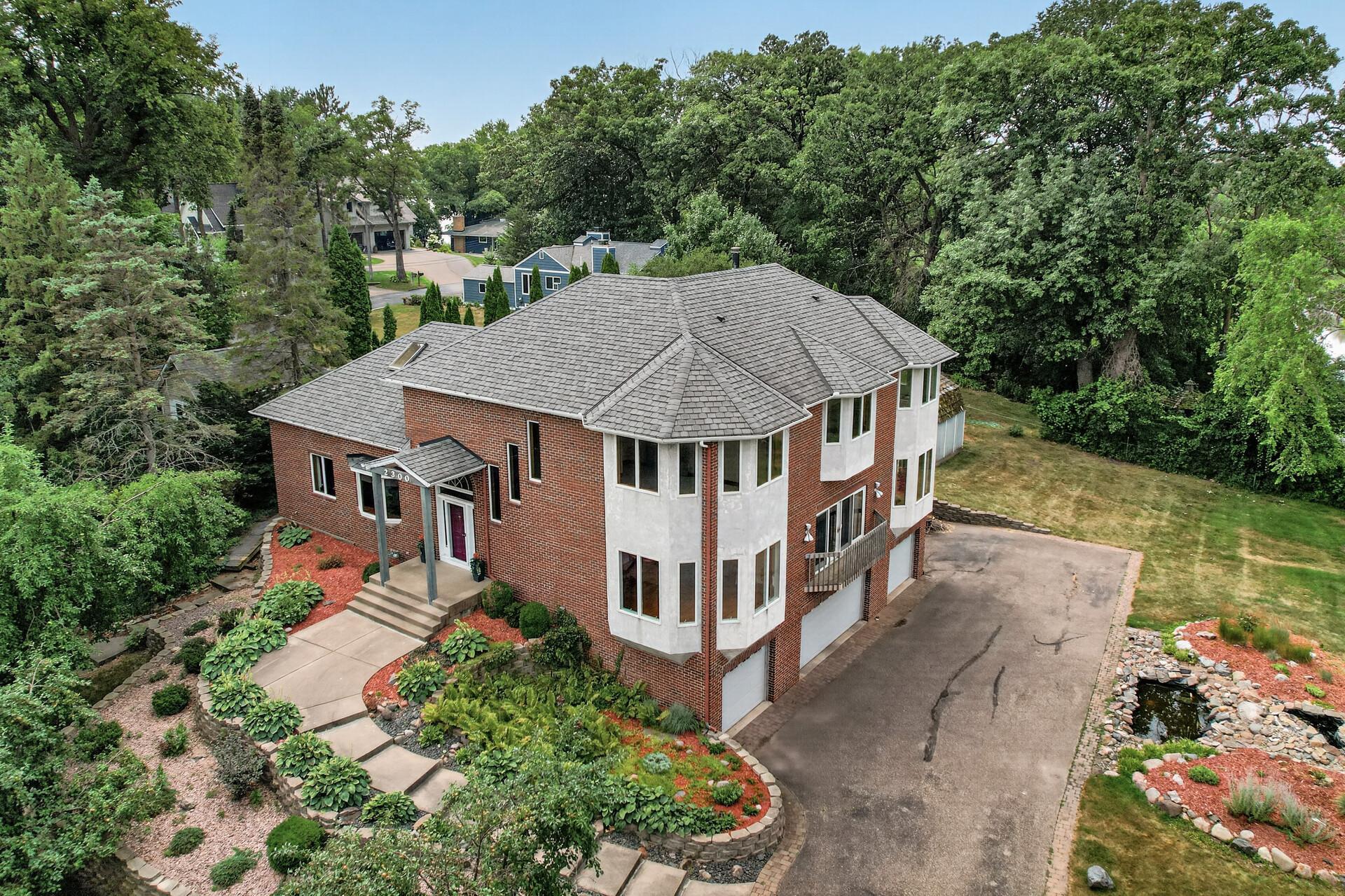
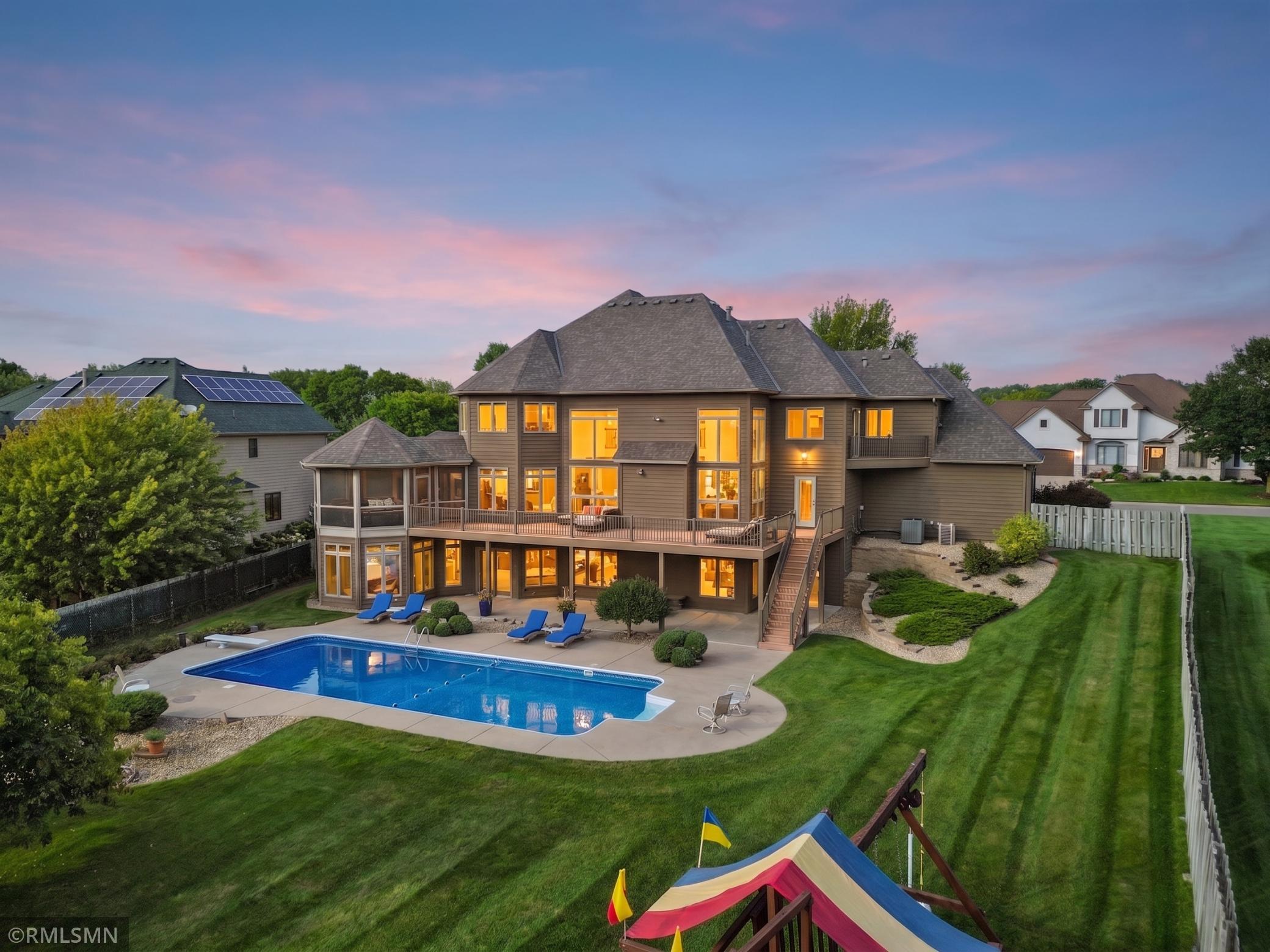
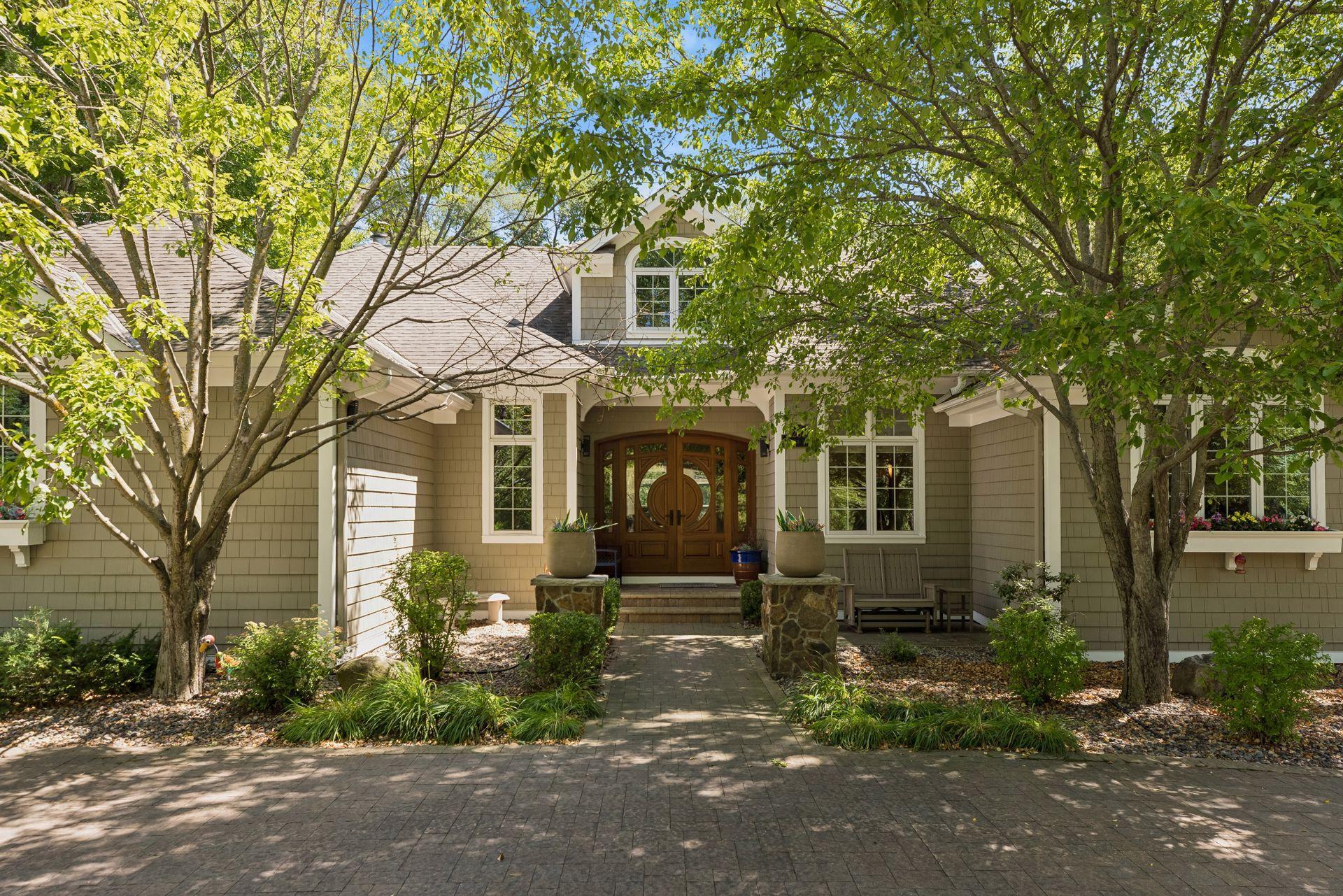
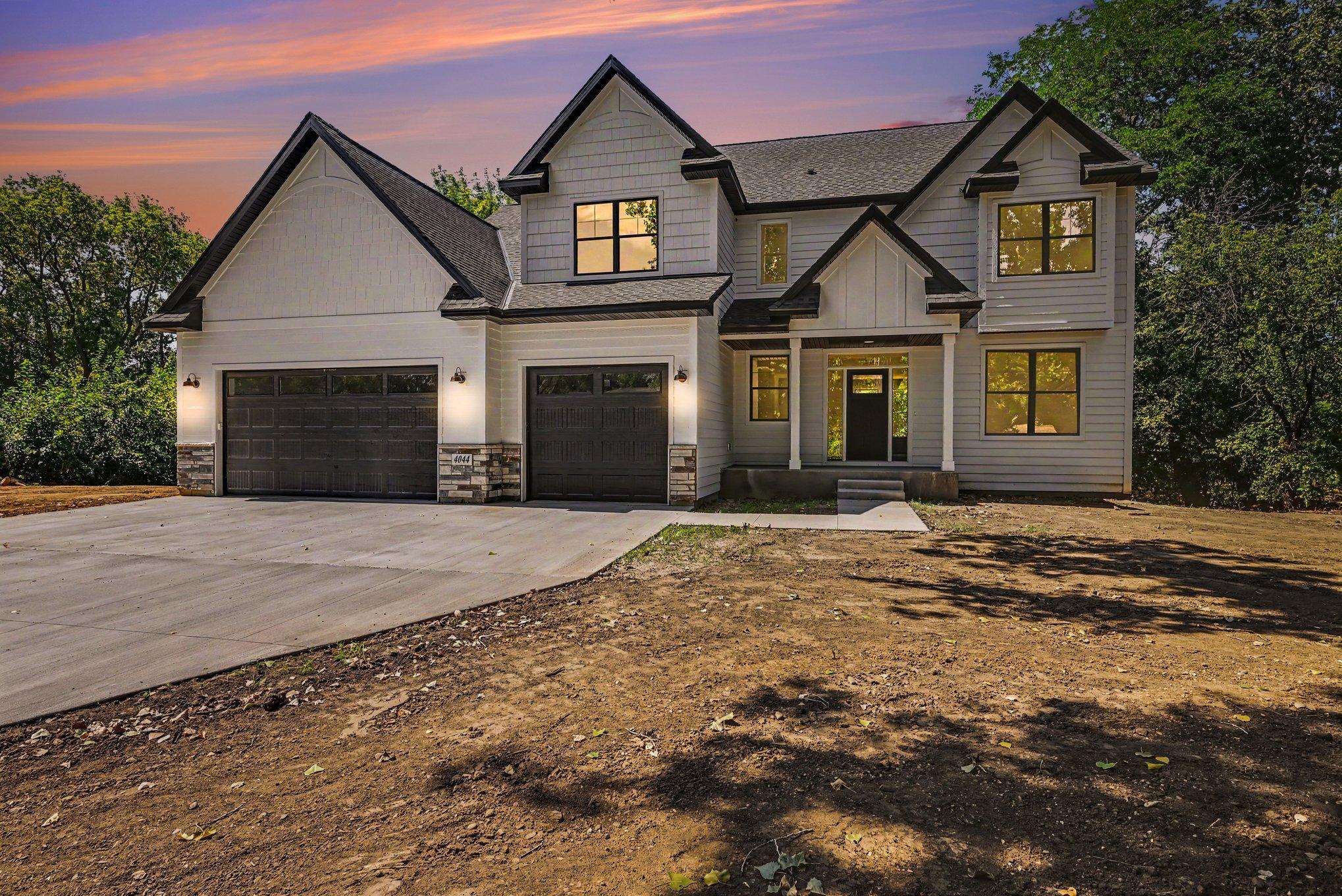
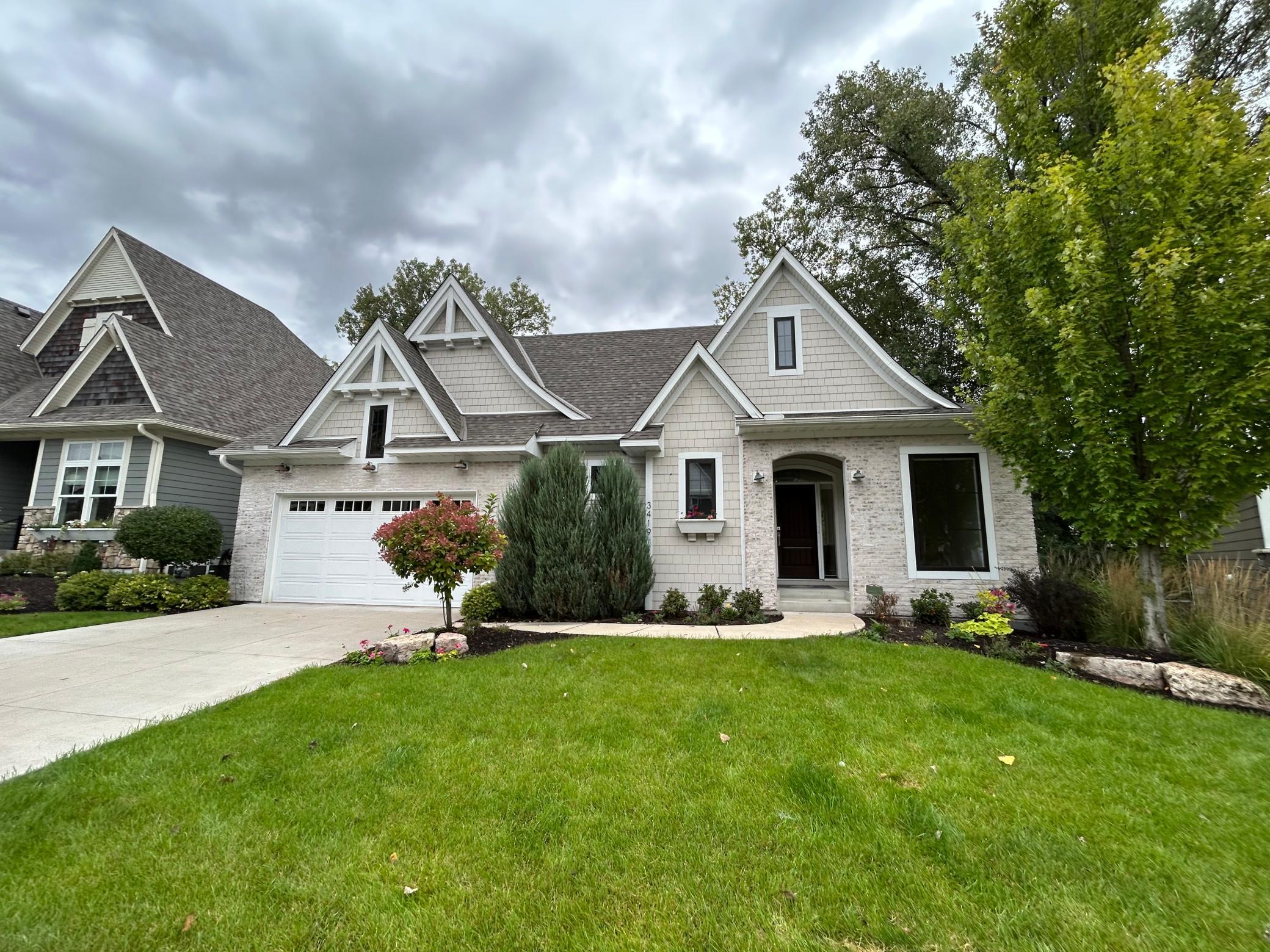
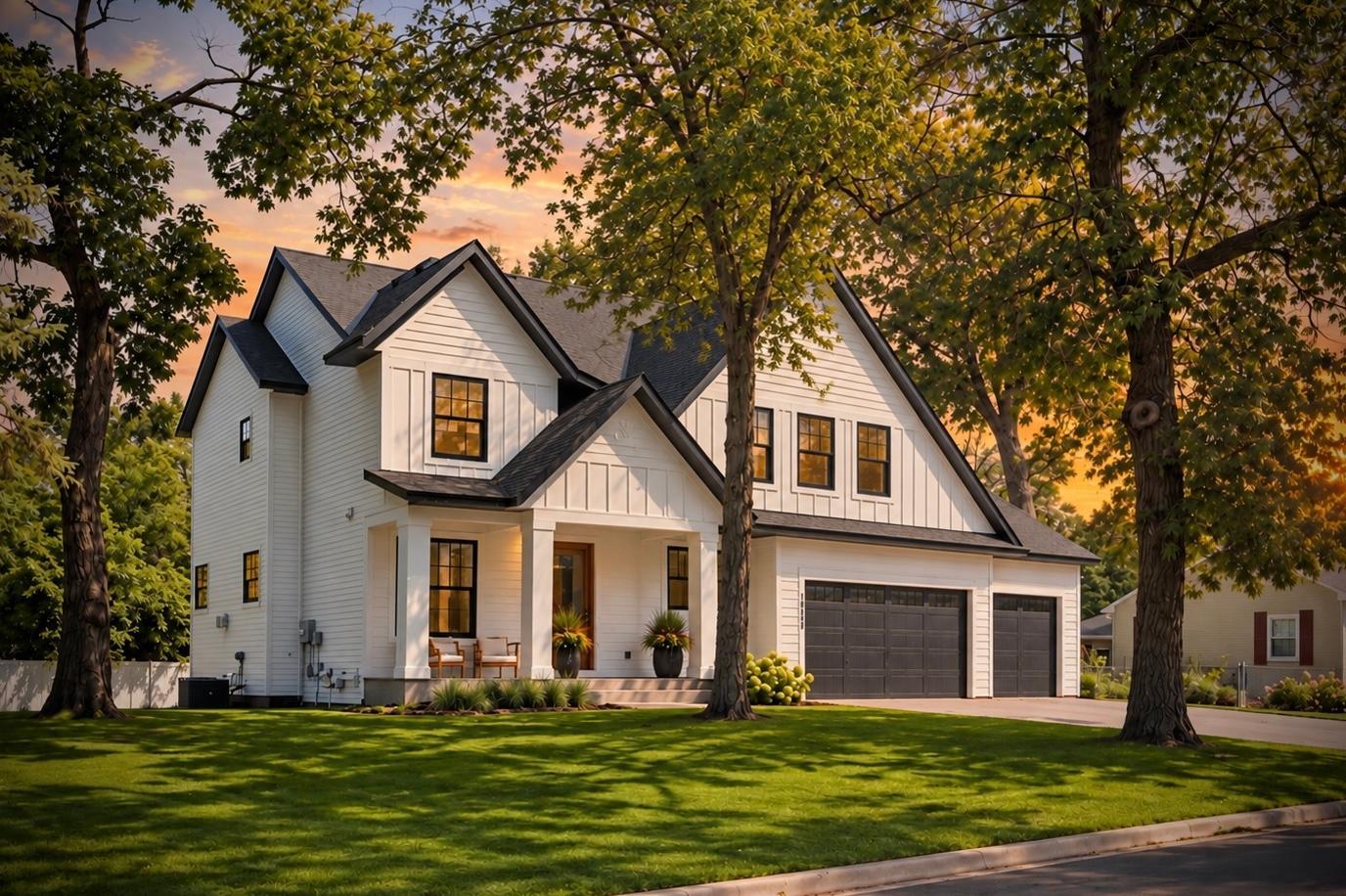
Single-family homes dominate Minnetonka's housing stock, ranging from 1950s-1960s ranch and split-level designs in established neighborhoods to contemporary new construction in developing pockets. These homes typically sit on quarter-acre to half-acre lots, with larger parcels available in rural western sections and along lakeshores.
Ranch-style homes from the mid-century era offer main-floor living with 1,200-2,000 square feet, often featuring original hardwood floors, brick exteriors, and attached two-car garages. Many have been updated with modern kitchens and bathrooms while retaining period charm. Split-level and bi-level designs from the same era provide more separation between living spaces across multiple half-stories.
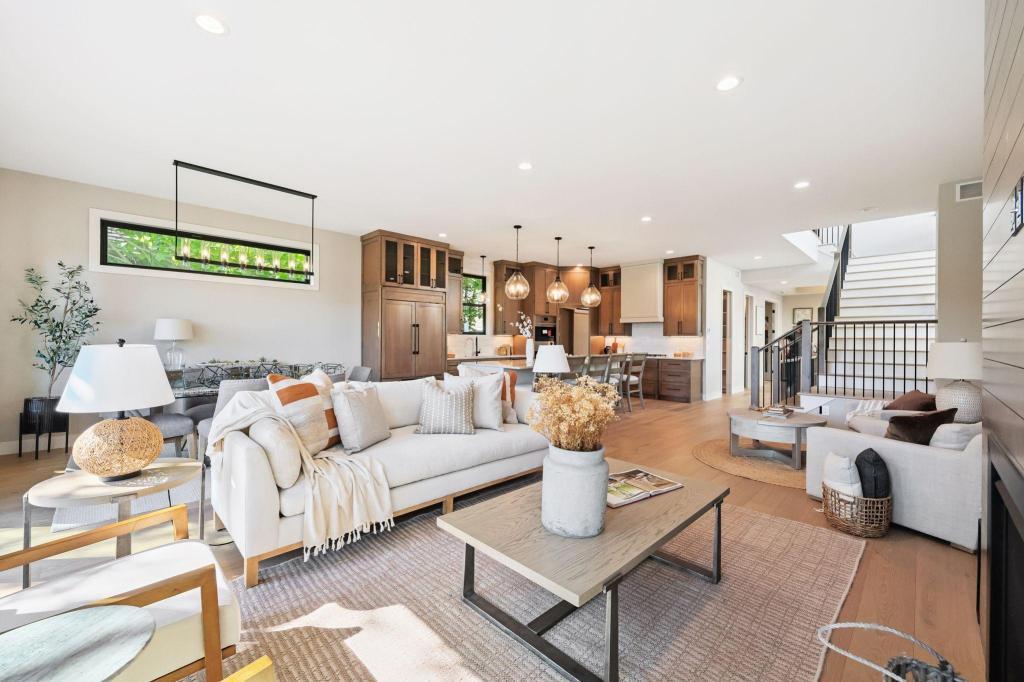
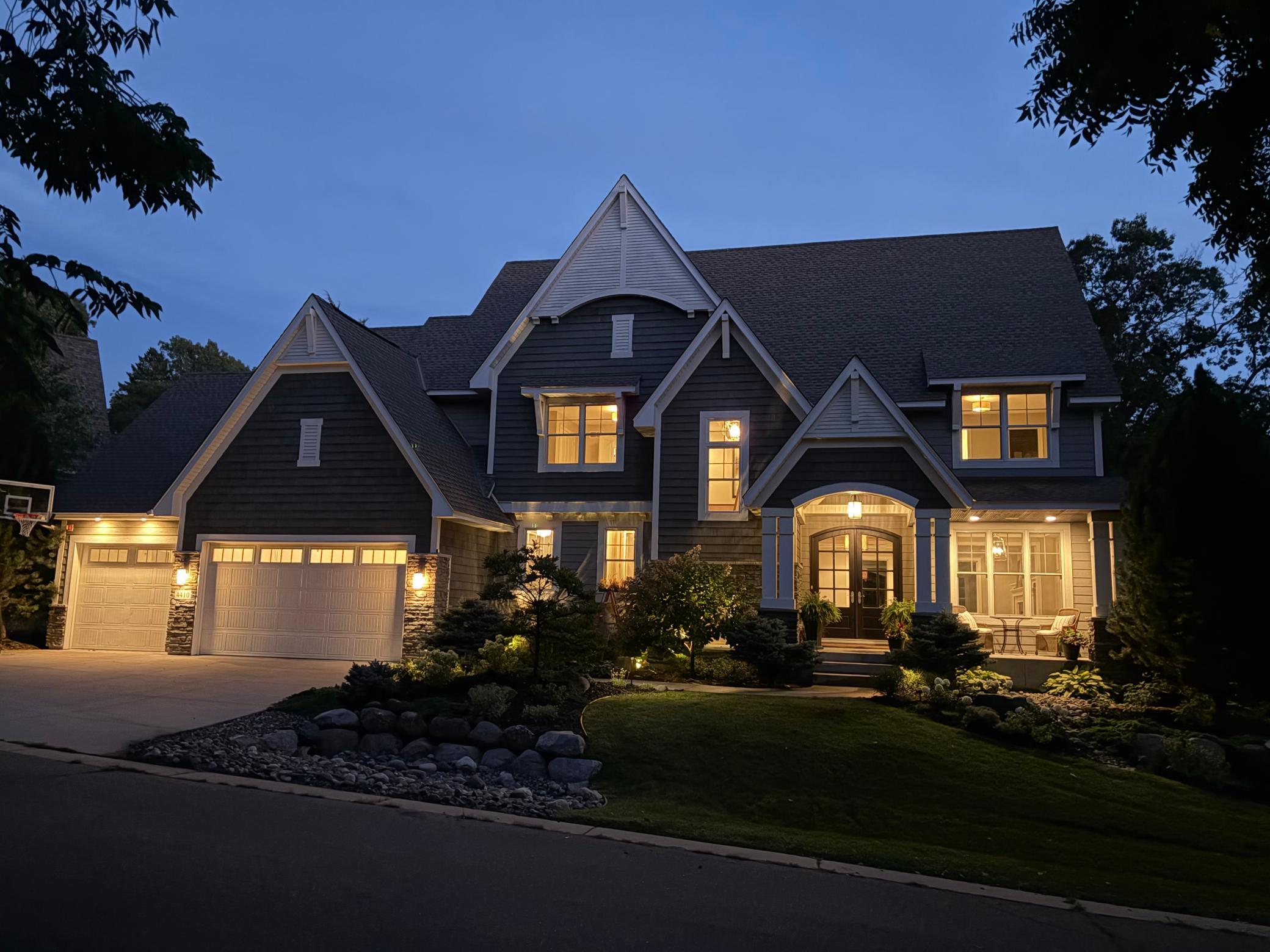
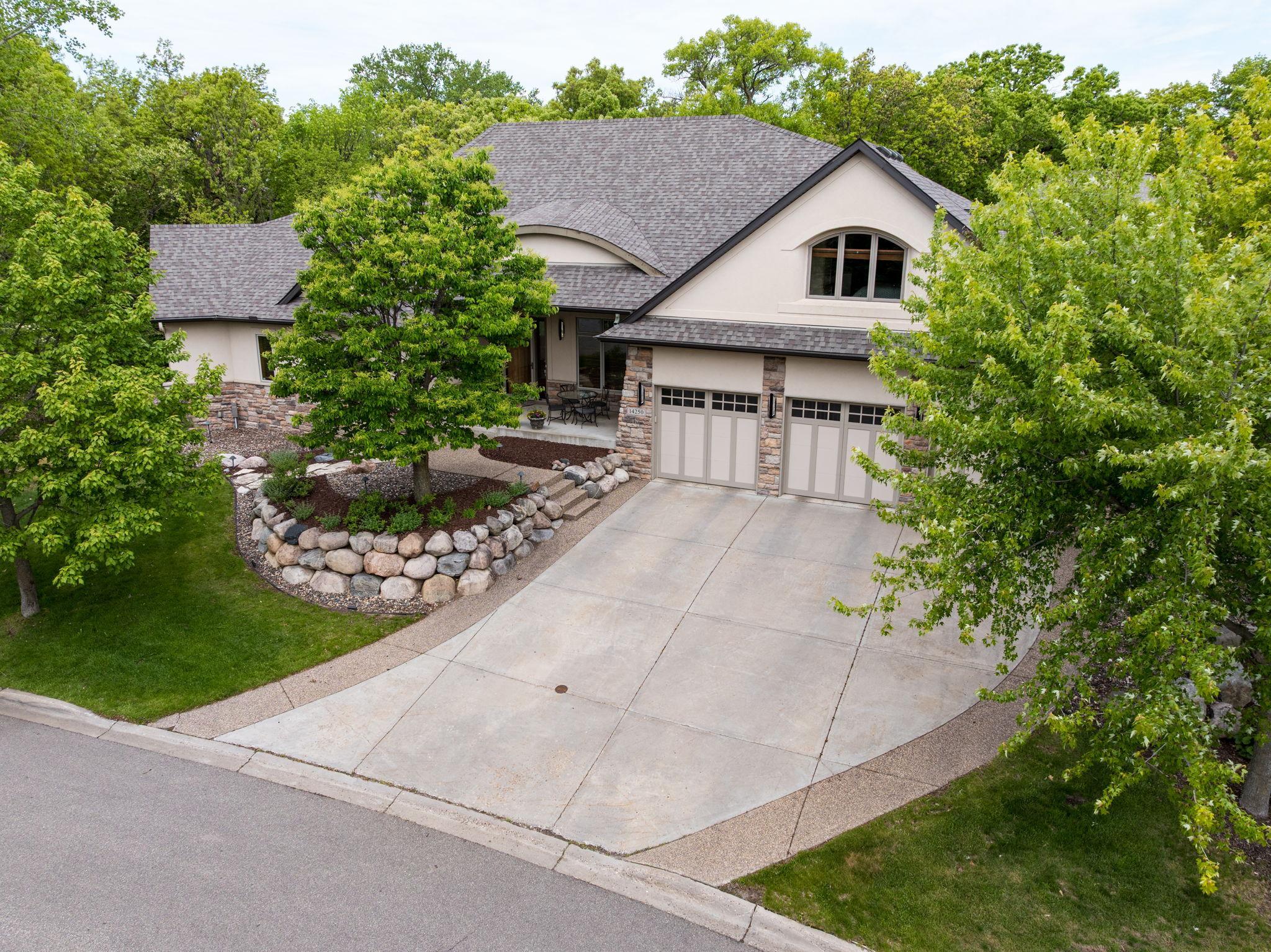
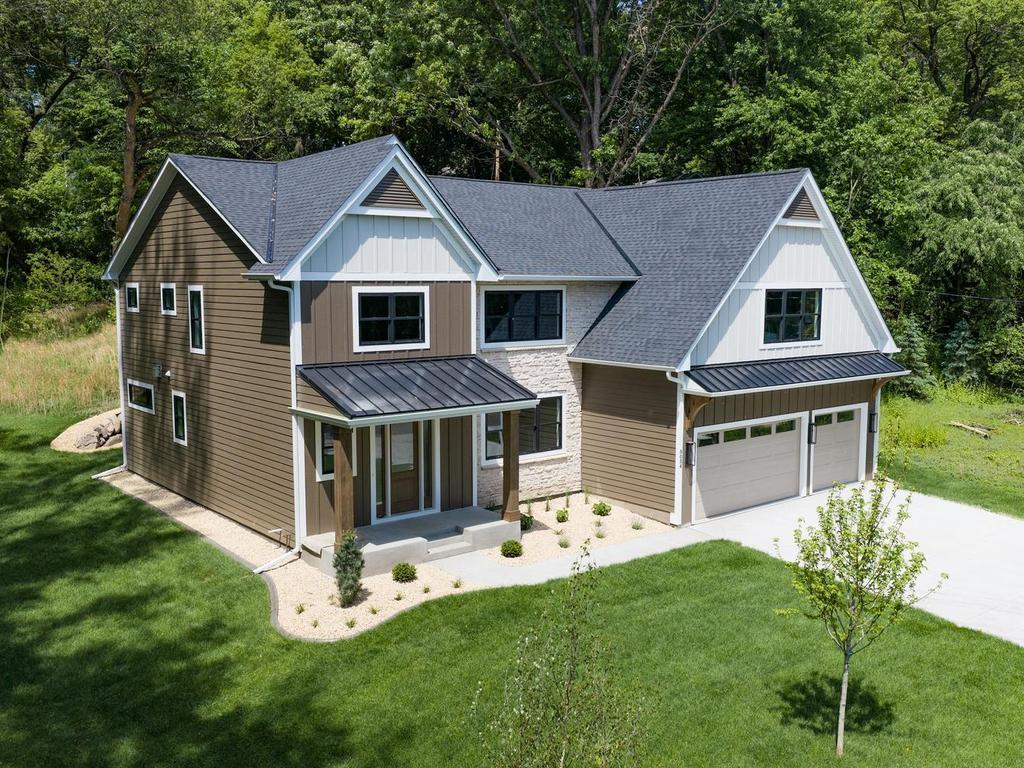
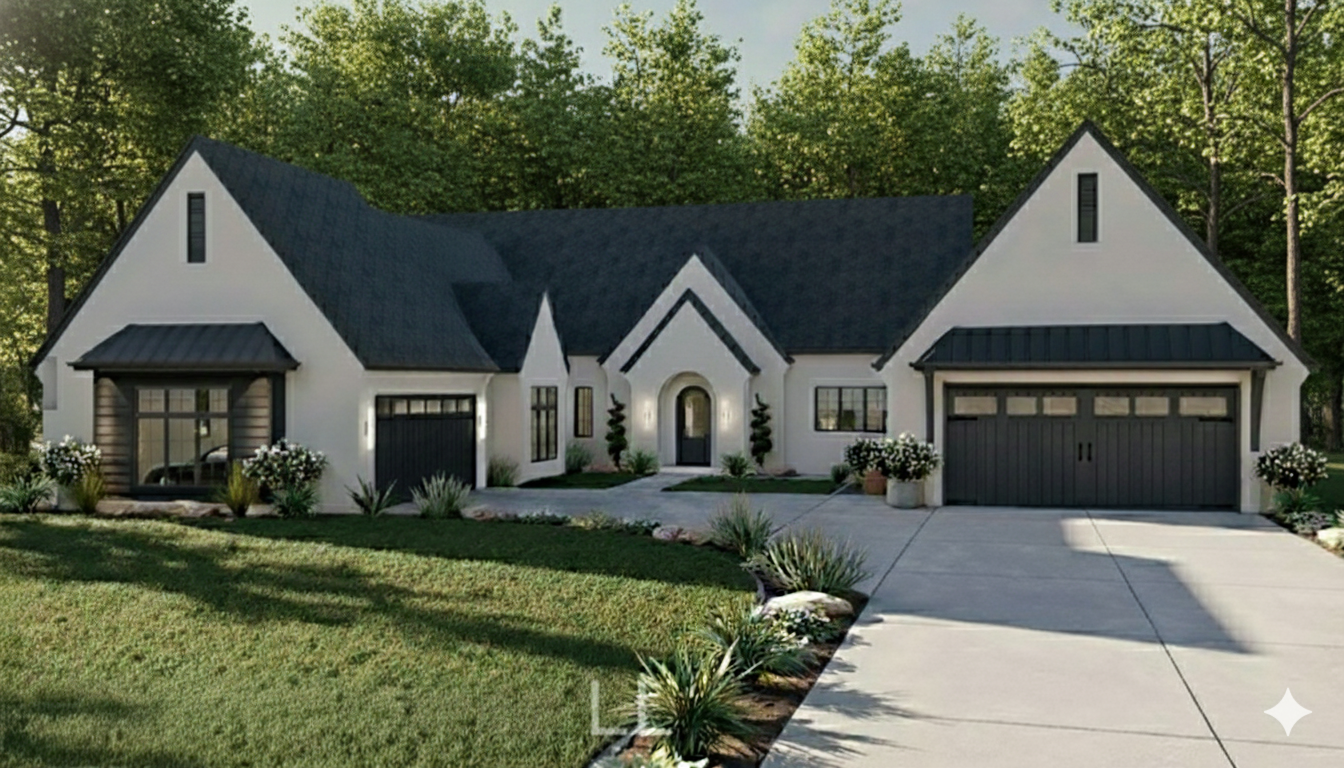
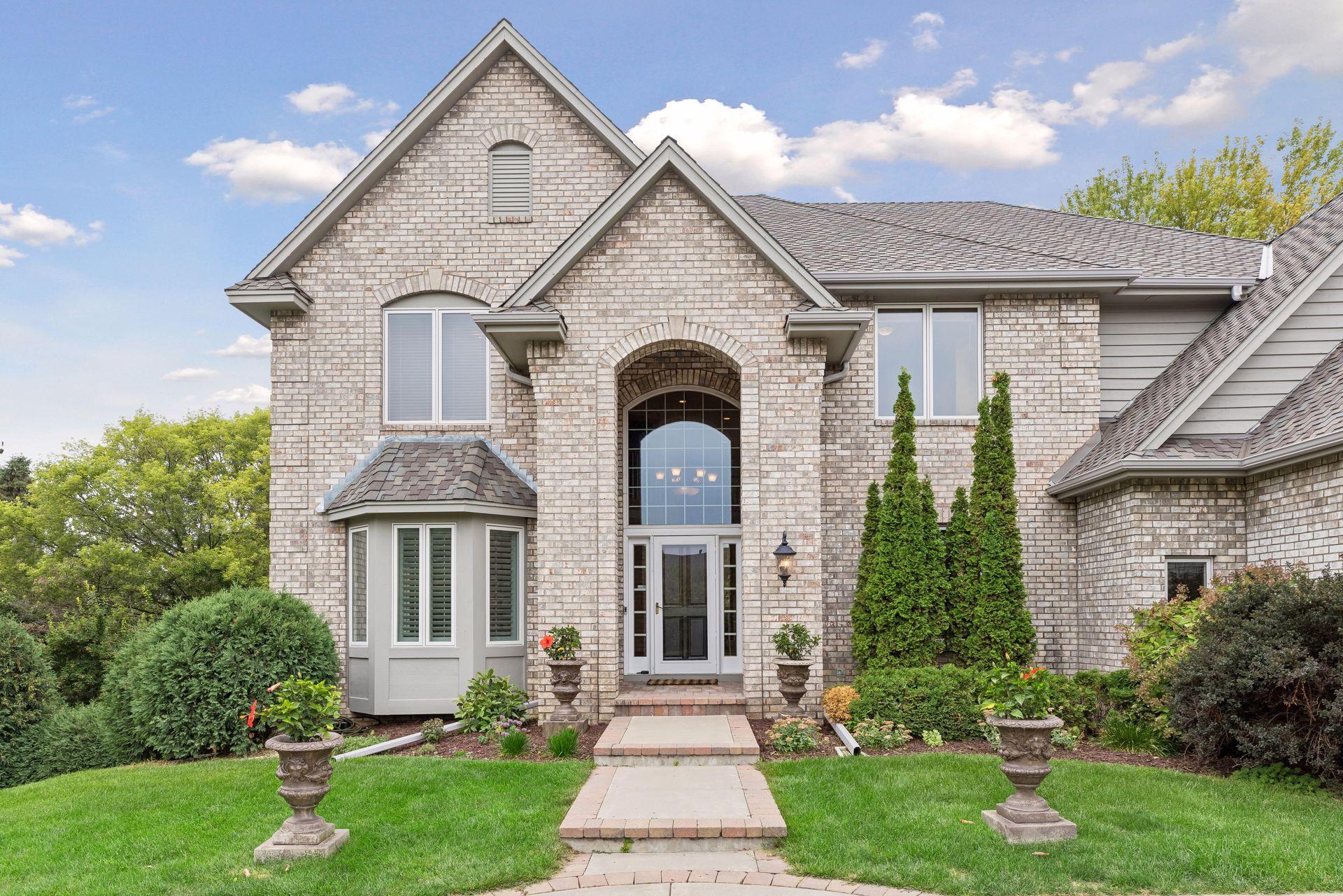
Two-story colonials and transitional homes built from the 1980s onward offer 2,500-4,000 square feet with formal dining rooms, finished basements, and updated amenities. Newer construction focuses on open floor plans, primary bedroom suites, and energy-efficient features.
Townhomes and condominiums cluster near commercial corridors and lakefront areas, appealing to downsizers, young professionals, and second-home owners. These range from modest two-bedroom units around $250,000 to luxury waterfront townhomes exceeding $800,000 with private boat slips and premium finishes.
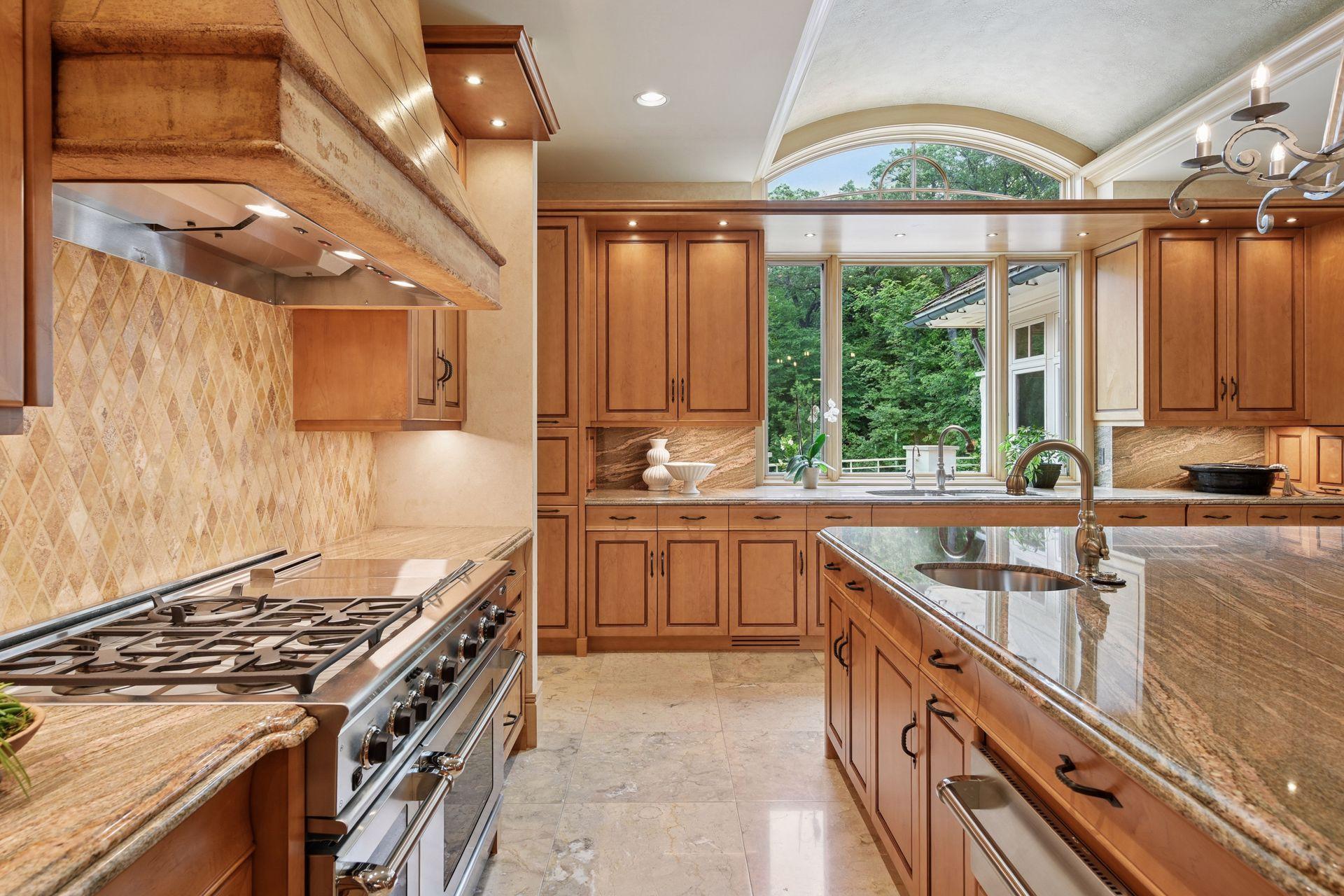
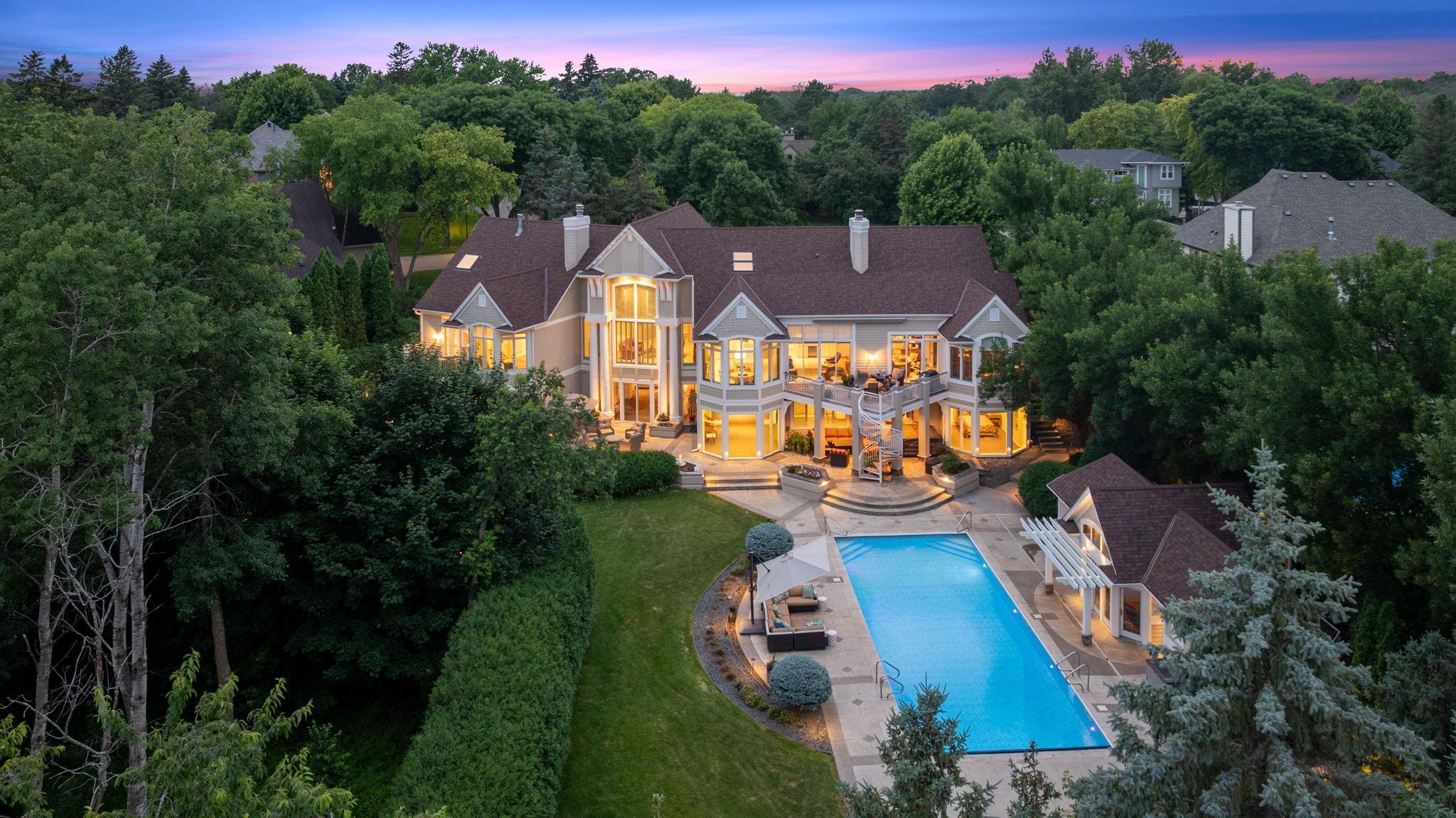
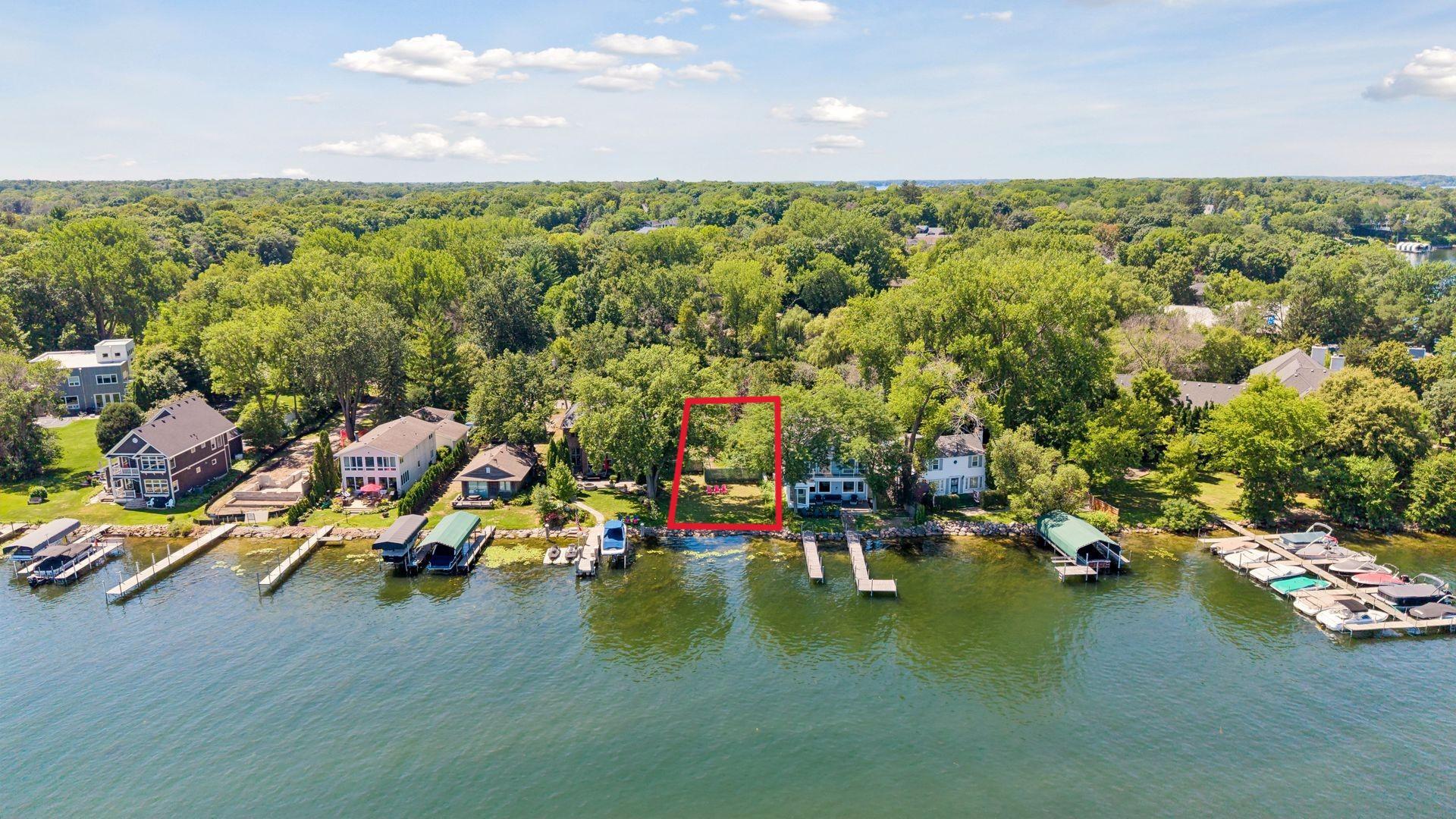
Lakefront estates represent the premium tier, with custom-built homes featuring extensive square footage, high-end materials, private docks, and unobstructed water views. These properties rarely come to market and command prices from $2 million to over $10 million depending on lake access, lot size, and home quality.
Property taxes in Minnetonka run higher than state averages due to the city's strong services and school funding, often ranging from $8,000-$15,000 annually for typical homes, with luxury properties facing substantially higher bills. Buyers should request recent tax statements and factor these costs into affordability calculations.
Flood risk affects properties near lakes, wetlands, and natural drainage areas. Reviewing FEMA flood maps and checking whether a property requires flood insurance prevents costly surprises. Some neighborhoods experienced flooding during heavy rain events in recent years, making this research particularly important for lower-lying areas.
Many communities have homeowners associations with monthly or annual fees covering common area maintenance, snow removal, and amenities. These fees range from $100-$500+ monthly depending on services provided. Reviewing HOA financials, rules, and planned assessments helps avoid unexpected expenses or restrictions on property use.
School boundaries deserve attention even for buyers without children, as properties in attendance areas for top-performing elementary schools maintain stronger resale value. Minnetonka's school district allows open enrollment within the district, but transportation may not be provided outside assigned attendance areas.
Home age and condition vary significantly across neighborhoods. Older homes may need updates to electrical systems, plumbing, HVAC, and windows. Inspection contingencies should remain non-negotiable given the prevalence of mid-century housing stock requiring maintenance and potential foundation or water intrusion issues in homes with aging infrastructure.
Lakefront properties come with unique considerations: shoreline regulations, dock permits, boat launch access, lake water quality, and restrictions on structures and vegetation removal. Lake Minnetonka has specific rules governing riparian rights and development that differ from inland properties.
Market speed varies by price point and season. Spring and early summer see the most activity, with winter listings facing longer marketing times. Understanding current market conditions helps time offers and negotiations appropriately.
Timing significantly impacts sale success in Minnetonka. Spring (April-June) brings the most buyer activity as families aim to close before the school year ends. Listings hitting the market in late March through May typically receive the most showings and competitive offers. Summer remains active but slows in late July and August. Fall sees a brief uptick in September-October before winter's significant slowdown.
Pricing strategy requires careful market analysis. Overpricing leads to extended days on market and eventual price reductions that stigmatize listings. Homes priced competitively from the start—within 2-3% of recent comparable sales—generate early interest and often receive offers quickly. Luxury properties benefit from slightly longer market exposure to reach qualified buyers.
Staging proves particularly effective for vacant homes or properties with dated interiors. Minnetonka buyers expect well-maintained, move-in-ready homes. Professional staging highlighting functional spaces and natural light helps properties show better than unfurnished or cluttered alternatives. Updated kitchens and bathrooms significantly influence buyer perception and offer potential.
Curb appeal matters year-round. Landscaping maintenance, fresh exterior paint, clean siding, and well-maintained driveways create positive first impressions. Winter sellers should ensure snow removal from walks, driveways, and roof lines to maintain access and prevent ice dam concerns during showings.
Kitchen and bathroom updates provide the strongest return on investment. Minor updates like new countertops, modern fixtures, and fresh paint yield better returns than major remodels. Buyers value updated mechanicals—HVAC systems, water heaters, and windows—as these represent deferred maintenance costs they prefer not to inherit.
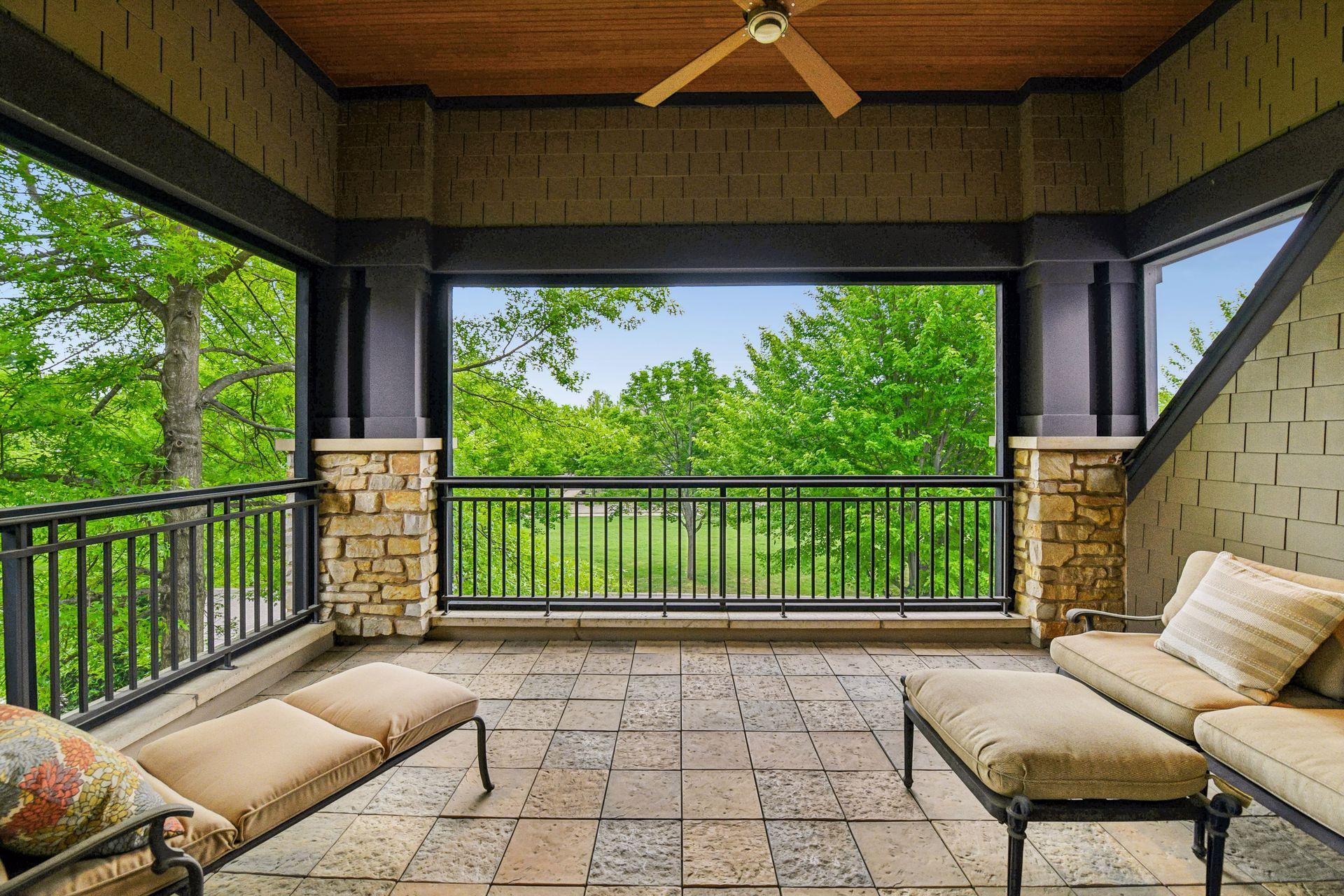
Finished basements, three-season porches, and outdoor living spaces add value but rarely return full investment costs. Focus improvements on primary living areas and essential systems rather than adding square footage unless comparable homes in the neighborhood support higher pricing.
Disclosure requirements in Minnesota are strict. Sellers must complete Truth-In-Housing evaluations for properties in Minnetonka, disclosing known defects and ensuring major systems meet code. Addressing issues proactively prevents deal-killing surprises during buyer inspections.
Buyer demographics skew toward families prioritizing schools, space, and amenities. Marketing should emphasize school districts, neighborhood features, and lifestyle benefits rather than just square footage and finishes. Professional photography and virtual tours are expected, not optional.
Minnetonka's dining scene blends national chains with locally-owned establishments concentrated along Highway 7, Wayzata Boulevard, and near Ridgedale Center. Restaurants cater primarily to families and business lunches rather than nightlife, reflecting the community's suburban character.
Local favorites include Rojo Mexican Grill offering contemporary Mexican fare in a casual atmosphere, and PinStripes, which combines Italian-American dining with bowling and bocce for entertainment. RedStone American Grill provides upscale casual dining with steaks and seafood, popular for business meetings and special occasions.
The Minnetonka area benefits from proximity to Excelsior and Wayzata, both offering more concentrated dining districts along Lake Minnetonka's shore. These nearby communities provide upscale restaurants, wine bars, and seasonal outdoor dining with lake views, easily accessible within a 10-15 minute drive.
Chain restaurants dominate the major commercial corridors, providing reliable options for families and quick meals. Shopping centers host typical suburban fare—pizza, Chinese takeout, sandwich shops, and coffee chains—meeting everyday needs without requiring drives into Minneapolis.
Entertainment options focus on family-friendly activities rather than nightlife. Movie theaters, including Ridgedale's AMC location, provide standard film offerings. Nearby Wayzata and Excelsior host summer concert series and festivals that Minnetonka residents frequently attend.
The Minnetonka Center for the Arts offers classes, exhibitions, and events year-round, serving as a cultural hub for the western suburbs. Ridgedale Center provides typical mall shopping and dining, while Byerly's and Lunds upscale grocery stores include prepared foods and wine selections appealing to the community's demographic.
For more diverse dining and entertainment, residents commonly drive 15-20 minutes to downtown Minneapolis or St. Louis Park's West End development, accessing broader options while maintaining Minnetonka's residential advantages.
Minnetonka maintains over 40 parks encompassing more than 1,000 acres of recreational space. The parks system emphasizes preserving natural areas, wetlands, and lake access while providing amenities for active recreation and community gathering.
Big Willow Park serves as one of the city's largest facilities, offering athletic fields, tennis courts, playgrounds, and picnic shelters. The park's trail system connects to broader regional pathways, enabling extended walking and cycling routes. Nearby Lone Lake Park provides beach access, swimming areas, and a boat launch for non-motorized watercraft.
Shady Oak Beach and Boat Launch offers Lake Minnetonka access for residents, with seasonal swimming, sand beaches, and boat ramp facilities. During summer months, the beach attracts families seeking water recreation without owning lakefront property. Parking can be limited on peak summer weekends.
The LRT Regional Trail runs through Minnetonka, connecting to the broader Three Rivers Park District system. This paved multi-use trail accommodates cyclists, runners, and inline skaters, providing car-free routes to neighboring communities and employment centers. The trail system connects to Baker Park Reserve and Carver Park Reserve for extended outdoor recreation.
Purgatory Creek Park preserves natural areas with unpaved trails through wooded terrain and wetlands, appealing to hikers and nature observers. The park's undeveloped character contrasts with more manicured facilities elsewhere in the city.
Golfers access Meadowbrook Golf Course, an 18-hole public facility offering reasonable rates and well-maintained conditions. Multiple private country clubs in and around Minnetonka provide additional options for members seeking premium golf experiences.
Lake Minnetonka itself dominates outdoor recreation for residents with direct access or boat privileges. Sailing, fishing, kayaking, and powerboating define summer weekends. Multiple public marinas and yacht clubs serve the boating community, though access points and parking remain limited for non-lakefront residents.
Winter activities include ice fishing, cross-country skiing on groomed trails, and skating at outdoor rinks maintained by the parks department. The trail systems remain accessible year-round for winter hiking and snowshoeing.
Minnetonka's culture centers on family life, outdoor recreation, and community involvement. The lifestyle emphasizes youth sports participation, school events, and neighborhood connections rather than urban nightlife or arts scenes. Residents prioritize stability, safety, and maintaining property values.
Lake Minnetonka shapes much of the area's identity and social structure. Boating culture is significant among lakefront residents and boat slip owners, with summer weekends revolving around time on the water. Sailing regattas, fishing tournaments, and informal gatherings at lake access points create seasonal community rhythms.
The community demonstrates civic engagement through active participation in school board meetings, city council sessions, and neighborhood associations. Residents voice opinions on development proposals, tax levies, and zoning changes, reflecting a population invested in preserving the area's character while managing growth.
Volunteerism runs strong, with residents supporting schools through PTAs, coaching youth sports teams, and participating in community service organizations. Fundraisers, charity runs, and local causes receive substantial community backing.
The Minnetonka Center for the Arts serves as the primary cultural institution, offering classes, exhibitions, and events that attract regional participation. The center's programming includes pottery, painting, photography, and performing arts, though it operates on a smaller scale than urban arts organizations.
Retail culture leans toward national chains and familiar brands rather than boutique shopping or local artisans. Ridgedale Center and strip mall developments provide convenient shopping without distinctive local character. Residents seeking unique retail experiences typically drive to downtown Minneapolis, Edina, or Excelsior.
Dining and socializing happen primarily in homes or casual restaurants rather than bars or nightlife venues. The community's demographic makeup—families and established professionals—drives preference for quieter entertainment and early evening activities.
Political culture tends moderate to conservative relative to Minneapolis proper, with residents generally supporting public services and schools while expressing fiscal caution about tax increases. Environmental conservation, particularly lake water quality, generates bipartisan support.
Minnetonka Public Schools serves as the city's primary school district, consistently ranking among Minnesota's top-performing systems. The district operates seven elementary schools, two middle schools, and Minnetonka High School, educating approximately 11,000 students with a strong record of academic achievement and college preparation.
Minnetonka High School regularly ranks in national top-tier lists, with strong AP program participation, high ACT/SAT scores averaging well above state and national means, and graduation rates exceeding 95%. The school offers extensive extracurricular options including competitive athletics, arts programs, and diverse clubs. Academic programming includes International Baccalaureate options and specialized tracks in STEM, arts, and business.
Elementary schools throughout Minnetonka maintain strong performance metrics with emphasis on literacy, mathematics, and student engagement. Schools like Scenic Heights, Excelsior, and Minnewashta serve specific attendance areas with enrollments typically ranging from 400-600 students. Parent involvement runs high with active PTAs supporting teachers and programs.
The district's middle schools—Minnetonka West and Minnetonka East—bridge elementary and high school with strong academic programming and comprehensive extracurricular offerings. Both schools emphasize preparing students for rigorous high school coursework while providing social-emotional support during adolescent transitions.
Private school options exist but play a smaller role than public schools. Some families choose parochial schools in nearby communities or specialized programs in Minneapolis, but the quality of Minnetonka Public Schools keeps most residents within the public system.
Preschool and early childhood programs are abundant, with multiple private providers, church-based programs, and the district's own Early Childhood Family Education (ECFE) offerings. Community Education provides enrichment classes, adult education, and youth programming year-round.
School boundaries influence real estate values significantly. Properties assigned to top-performing elementary schools command premiums and experience stronger resale demand. While the district allows open enrollment, transportation is not guaranteed outside assigned attendance areas, making boundaries a practical consideration for families.
Higher education access comes via proximity to Minneapolis institutions. The University of Minnesota's Twin Cities campus sits approximately 20 minutes east, with smaller colleges including Augsburg, the University of St. Thomas, and Minneapolis College of Art and Design all within 30 minutes.
Minnetonka's location west of Minneapolis provides relatively efficient commuting access to major Twin Cities employment centers. Interstate 494 forms the city's northern boundary, connecting to I-394, which leads directly to downtown Minneapolis in approximately 20-30 minutes during non-peak hours. Morning rush hour congestion can extend downtown commutes to 40-50 minutes.
Highway 7 runs east-west through Minnetonka, providing an alternative route to downtown and access to southwestern suburbs including Eden Prairie, Chanhassen, and communities along the Highway 212 corridor. This route serves employees at major corporate campuses in the western suburbs.
Highway 169 borders Minnetonka's eastern edge, connecting north to I-94 and south to Highway 212, facilitating access to suburbs south and west of Minneapolis without downtown routing. This proves valuable for residents commuting to employers in Eden Prairie, Bloomington, or southwestern suburbs.
Major employers within Minnetonka include UnitedHealth Group's massive campus, Cargill's corporate headquarters, and numerous smaller corporate offices along the I-494 corridor. These local employment opportunities eliminate commutes entirely for thousands of residents.
Public transportation options remain limited compared to urban areas. Metro Transit operates bus routes along major corridors including Highway 7 and connecting to Minneapolis, but service frequency and coverage don't support car-free lifestyles. Most residents rely on personal vehicles for daily transportation.
The Southwest Light Rail Transit (Green Line Extension) project, when completed, will connect Eden Prairie through Minnetonka to downtown Minneapolis, potentially improving public transit access. Construction delays have pushed completion timelines, and the project's full benefits remain years away.
Biking infrastructure includes the LRT Regional Trail and local trail systems, enabling recreational cycling and some commuting for residents near trail access points. However, separated bike lanes on major roads are limited, and winter weather restricts cycling as a year-round commuting option for most residents.
Minneapolis-St. Paul International Airport sits approximately 25-30 minutes southeast via Highway 62 or I-494, providing convenient access to domestic and international flights without the extended airport commutes faced by residents in outer-ring suburbs.
Traffic congestion centers on rush hours along I-394, I-494, and Highway 7, with backups common at major intersections during peak commuting times. Off-peak travel remains relatively smooth, with most destinations within Minnetonka accessible within 15 minutes.
Residents consistently cite the school system as Minnetonka's primary draw. Parents appreciate the district's academic performance, extracurricular offerings, and preparation for college without requiring private school tuition. The schools' reputation supports property values and creates a community focused on educational excellence.
The balance between suburban amenities and natural beauty appeals to those wanting outdoor recreation without sacrificing convenience. Lake access, extensive trail systems, and preserved green spaces coexist with modern shopping, dining options, and short commutes to employment centers.
Safety and low crime rates provide peace of mind for families. Neighborhoods feel secure, children walk to schools and parks, and property crime remains minimal compared to urban areas. This security factor weighs heavily for families choosing where to raise children.
Community stability attracts residents planning long-term stays. Unlike transitional suburban areas experiencing rapid demographic or economic shifts, Minnetonka maintains consistent character and property values. Neighbors know each other, families stay through children's school years, and institutional knowledge runs deep.
Proximity to Minneapolis delivers urban amenities—professional sports, cultural institutions, diverse dining, entertainment venues—within 20-30 minutes while maintaining a distinct residential environment. Residents access city benefits without urban density, traffic, or higher crime rates.
Lake Minnetonka's recreational and social appeal creates lifestyle advantages unique to the area. Boating, fishing, and waterfront socializing define summers for many residents. Even those without direct lake access enjoy proximity to public beaches and the lake's natural beauty.
Property quality and neighborhood maintenance remain high. HOAs and city ordinances ensure properties stay well-kept, landscaping receives attention, and deteriorating homes get renovated rather than neglected. This maintenance ethic preserves neighborhood appeal and property values.
Lake Minnetonka's shoreline properties represent Minnetonka's most prestigious real estate, particularly along the North Shore areas within city limits. Streets like Lafayette Road, Northome Road, and Harrington Drive feature custom estates with private docks, extensive grounds, and unobstructed lake views. These properties rarely come to market and command prices from $3 million to over $10 million depending on lot size, home quality, and water frontage.
The Woodhill area, east of Highway 101 and south of Highway 7, offers newer luxury construction with large lots and custom-built homes. Streets throughout this neighborhood feature contemporary architecture, premium finishes, and properties typically ranging from $800,000 to $2 million. The area appeals to buyers wanting modern amenities without historic home maintenance.
Cottagewood, one of Minnetonka's most established neighborhoods south of Highway 7 near Shady Oak Beach, contains mid-century homes on mature lots. Properties here have undergone significant renovations and updates, creating a mix of preserved period architecture and contemporary rebuilds. The neighborhood's walkability, proximity to the lake, and strong sense of community make it highly desirable despite older housing stock.
Shorewood Hills, near the Shorewood border, features curved streets with mature trees and homes ranging from updated mid-century to newer construction. The neighborhood's proximity to Lake Minnetonka, good schools, and well-maintained properties create consistent demand. Properties here typically range from $600,000 to $1.5 million.
The area around Minnehaha Creek, particularly streets south of Highway 7 between Highway 101 and Minnetonka Boulevard, attracts buyers seeking creek access and natural settings. Homes here vary widely in age and style but benefit from unique natural features and proximity to trails.
Gated communities and luxury townhome developments along the lake, including properties with private marina access, appeal to downsizers and second-home buyers wanting maintenance-free lakefront living. These developments command premiums for boat slips and amenity access despite smaller square footage than single-family estates.
The area near Ridgedale Center, while less prestigious than lakefront properties, offers convenience and newer construction. Buyers prioritizing accessibility to shopping, dining, and I-394 accept trade-offs in lot size and natural amenities for practical daily convenience.
Minnetonka delivers on the suburban promise—quality schools, safe neighborhoods, recreational amenities, and reasonable commutes—without the rapid growth pressures or character changes affecting outer-ring suburbs. The community's maturity shows in established institutions, stable property values, and residents invested in maintaining the area's appeal.
The lifestyle here suits those prioritizing family needs over urban excitement. Weekends revolve around youth sports, lake activities, and home projects rather than nightlife or cultural events. This focus on domestic life and outdoor recreation appeals strongly to families raising children but may feel limiting to those seeking diverse entertainment or cultural engagement.
Lake Minnetonka's presence elevates the area beyond typical suburban environments, providing both recreational opportunities and social cachet. Even residents without direct lake access benefit from the lake's influence on community character and available activities.
The trade-offs are clear: higher property taxes, premium home prices, and limited diversity in housing types and price points. Those unable or unwilling to meet Minnetonka's price of entry find more affordable options in neighboring communities while still accessing some of the same amenities and schools.
For buyers valuing educational quality, outdoor recreation, and suburban stability, Minnetonka represents a known quantity with decades of consistent performance. The community's trajectory points toward gradual appreciation and sustained demand rather than dramatic transformation. This predictability, combined with Minneapolis proximity and Lake Minnetonka access, explains why Minnetonka maintains its position among the Twin Cities' most sought-after suburbs.
---
If you're interested in finding your dream home, explore Minnetonka real estate listings for the latest properties on the market. For those seeking something truly special, discover luxury homes in Minnetonka or browse available condos in Minnetonka. You can also explore land for sale in Minnetonka or consider commercial real estate opportunities in the area.
There's plenty to do around Minnetonka, including shopping, dining, nightlife, parks, and more. Data provided by Walk Score and Yelp.
Explore popular things to do in the area, including Little Caesars Pizza, Omar Cafe Mc, and Holiday Stationstore 387.
| Name | Category | Distance | Reviews |
Ratings by
Yelp
|
|---|---|---|---|---|
| Dining · $ | 0.3 miles | 0 reviews | 0/5 stars | |
| Dining | 1.17 miles | 0 reviews | 0/5 stars | |
| Dining | 1.44 miles | 0 reviews | 0/5 stars | |
| Shopping | 1.75 miles | 0 reviews | 0/5 stars | |
| Active | 0.41 miles | 0 reviews | 0/5 stars | |
| Active | 0.43 miles | 0 reviews | 0/5 stars | |
| Active | 0.56 miles | 0 reviews | 0/5 stars | |
| Active | 0.61 miles | 0 reviews | 0/5 stars | |
| Active | 0.81 miles | 0 reviews | 0/5 stars | |
| Active | 1.08 miles | 0 reviews | 0/5 stars | |
| Active | 1.19 miles | 0 reviews | 0/5 stars | |
| Active | 1.59 miles | 0 reviews | 0/5 stars | |
| Active | 1.64 miles | 0 reviews | 0/5 stars | |
| Active | 1.69 miles | 0 reviews | 0/5 stars | |
| Beauty | 0.82 miles | 1 review | 5/5 stars | |
| Beauty | 0.83 miles | 0 reviews | 0/5 stars | |
| Beauty | 1.07 miles | 0 reviews | 0/5 stars | |
| Beauty | 1.22 miles | 0 reviews | 0/5 stars | |
| Beauty | 1.51 miles | 0 reviews | 0/5 stars | |
| Beauty | 1.64 miles | 0 reviews | 0/5 stars | |
| Beauty | 1.64 miles | 0 reviews | 0/5 stars | |
| Beauty | 1.71 miles | 3 reviews | 3.7/5 stars | |
| Beauty | 1.75 miles | 0 reviews | 0/5 stars | |
|
|
||||
|
|
||||
|
|
||||
|
|
||||
|
|
||||
|
|
Minnetonka has 23,348 households, with an average household size of 2.27. Data provided by the U.S. Census Bureau. Here’s what the people living in Minnetonka do for work — and how long it takes them to get there. Data provided by the U.S. Census Bureau. 53,256 people call Minnetonka home. The population density is 1,979 and the largest age group is Data provided by the U.S. Census Bureau.
Total Population
Population Density Population Density This is the number of people per square mile in a neighborhood.
Median Age
Men vs Women
Population by Age Group
0-9 Years
10-17 Years
18-24 Years
25-64 Years
65-74 Years
75+ Years
Education Level
Total Households
Average Household Size
Average individual Income
Households with Children
With Children:
Without Children:
Marital Status
Blue vs White Collar Workers
Blue Collar:
White Collar:

Compass
401 Lake Street East, Unit 200
Wayzata, MN 55391
Ulrich Real Estate Group