Welcome to Plymouth, MN
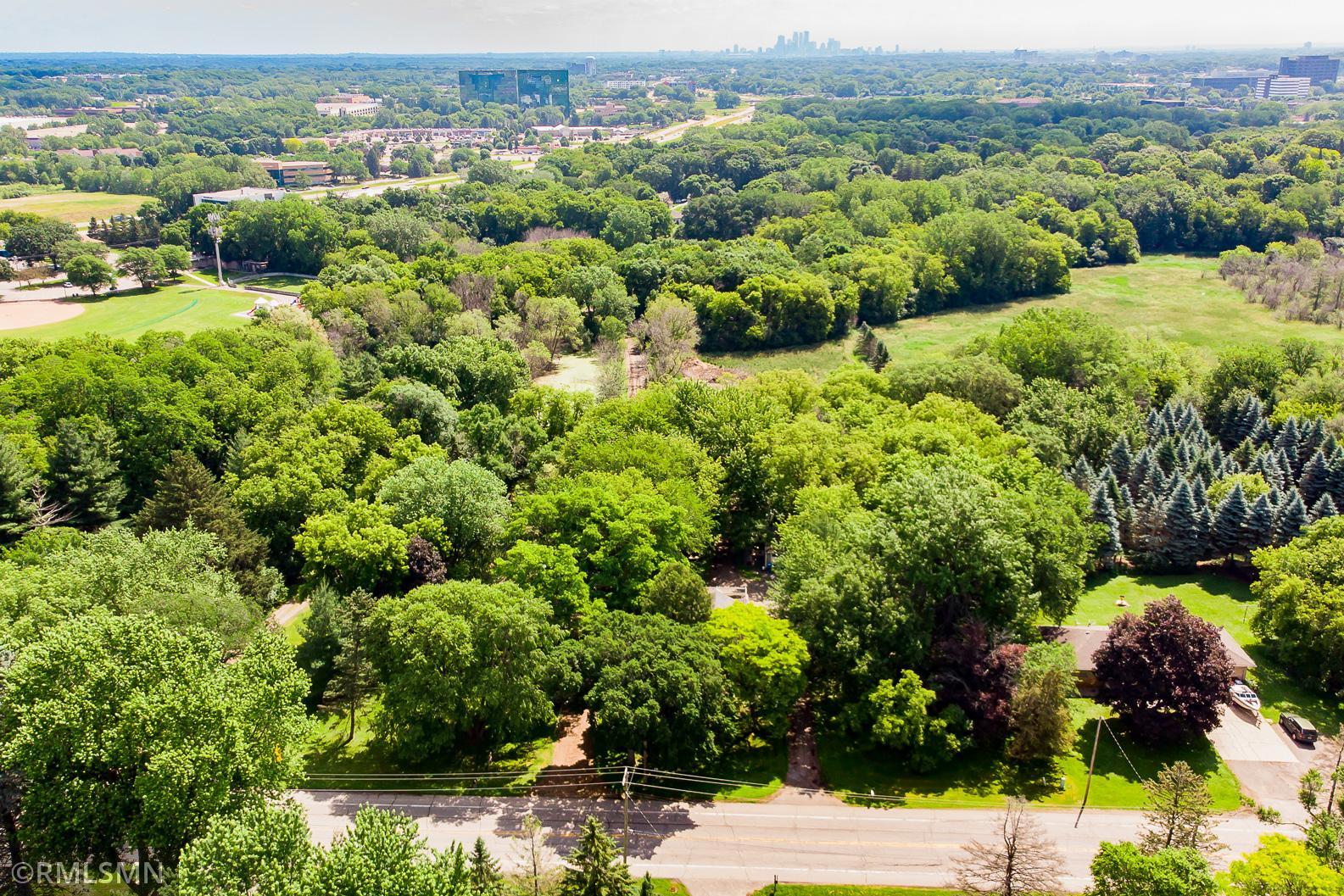
Plymouth is one of those rare Twin Cities suburbs that manages to be both a genuine destination and a deeply livable place to call home. Sitting about 12 miles northwest of downtown Minneapolis in Hennepin County, it spreads across roughly 35 square miles of lakes, wooded neighborhoods, corporate campuses, and some of the most sought-after school boundaries in the state. As Minnesota's seventh-largest city, it carries the amenities of a small metro in its own right, yet it never quite loses the mature, tree-lined, water-adjacent feel that drew people here in the first place.
What sets Plymouth apart from the standard commuter suburb is its balance. It is not a bedroom community that empties out at 8 a.m., nor is it a congested urban node. It holds more jobs than it has resident workers, anchors a nationally recognized medical technology corridor, and still sends most of its children into the top-ranked Wayzata school system. For buyers weighing the West Metro, Plymouth tends to be the name that keeps surfacing, and for good reason. This guide walks through everything worth knowing before you make a move here.
A Brief History of Plymouth
Long before it was a suburb, this was Dakota land. Communities lived near the water that would later be called Medicine Lake, a name that traces back to the Dakota and their connection to the lake as a place of spiritual significance. That history still lingers in the local geography, even as the shoreline filled in with homes over the following century and a half.
European settlement began in 1848, when guide and mail carrier Antoine LeCounte built the area's first cabin near Medicine Lake. Growth spread toward Parkers Lake by 1855, and in 1858 the Hennepin County Board formally established the town. There was an early, almost-forgotten chapter here: residents once voted to rename the town "Medicine Lake," but the change was never actually carried through, and Plymouth kept its name. Through the late 1800s and early 1900s, the community lived a double life as a working agricultural hub and a summer resort destination, with hotels and vacationers clustering around Medicine Lake.
The Plymouth most residents recognize today took shape after World War II, when farmland gave way to residential streets at remarkable speed. The village incorporated in 1955 and became a home rule charter city in 1993. That arc, from Dakota encampment to farm town to resort to modern city, is part of why different corners of Plymouth feel so distinct. You are reading decades of growth written into the streets.
Location & Getting Around
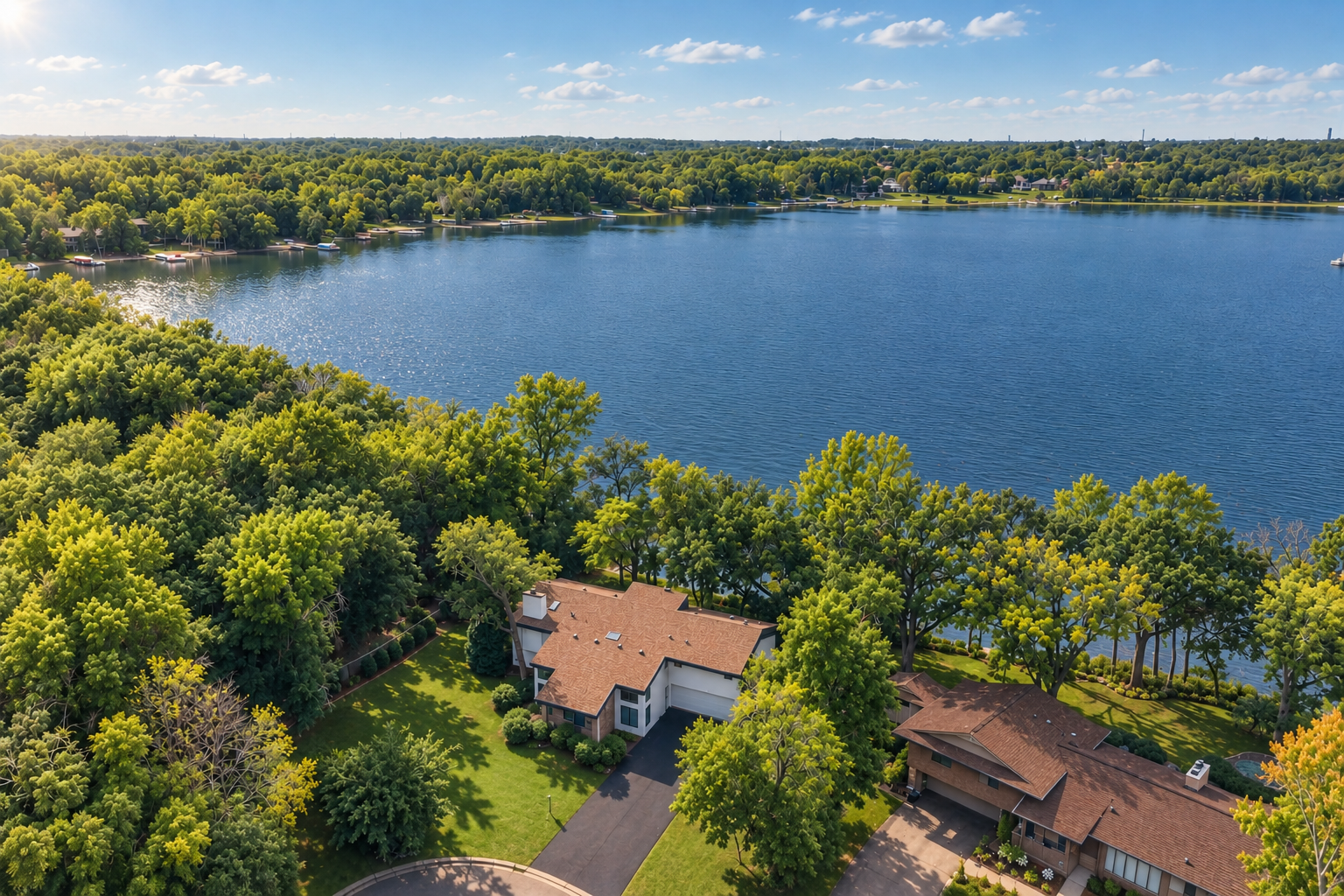
Plymouth's location is one of its quiet superpowers. It sits close enough to downtown Minneapolis for an easy commute, yet far enough west to enjoy real space, mature trees, and lake frontage. Within its borders lies Medicine Lake, the second-largest lake in Hennepin County, which shapes much of the city's eastern character.
Getting around is refreshingly straightforward for anyone who drives, thanks to a well-connected grid of highways. I-494 runs north–south through the city and loops you around the wider metro. US-169 forms the eastern border, MN-55 cuts straight through the middle and feeds directly into downtown Minneapolis, and I-394 sits just south of the city line for east–west travel. In practice, this means most residents can reach a major artery within a few minutes of leaving their driveway.
For those who prefer not to drive, Plymouth runs its own municipal transit system, Plymouth Metrolink. Express commuter buses connect local Park & Ride stations, such as Station 73 at Highway 55 and County Road 73, directly to downtown Minneapolis and the University of Minnesota. The city also operates Click-and-Ride, an on-demand, app-based microtransit shuttle that will take you anywhere within Plymouth limits. And for non-motorized travel, the city maintains an extensive web of paved multi-use trails and parkways that link neighborhoods to parks, lakes, and regional trail systems, which is a genuine draw for cyclists and walkers.
The Plymouth Real Estate Market
The Plymouth market rewards preparation. Strong local demand, high household incomes, and a dwindling supply of land for brand-new construction combine to keep things moving quickly, and well-priced homes rarely linger. Buyers who come in ready, and sellers who price with intention, tend to do very well here.
To give you a sense of the current landscape:
Metric | Where Plymouth Stands |
|---|
Median sale price | Roughly $505,000–$515,000 |
Median days on market | Around 16 to 22 days |
Market dynamics | Well-priced single-family homes frequently draw multiple offers, selling at or slightly above list |
Inventory mix | About 65–70% single-family detached, with townhomes, villas, and luxury condos filling the balance |
The takeaway is that Plymouth is a competitive market, but not an inaccessible one. The mix of housing types means there are meaningful entry points across price ranges, from maintenance-free townhomes to executive estates. What matters most is understanding which pocket of the city fits your goals, because the difference between neighborhoods here is significant.
Neighborhoods & Housing Styles
Because Plymouth grew in distinct phases, its neighborhoods carry clear architectural fingerprints. Knowing them is the fastest way to narrow a search.
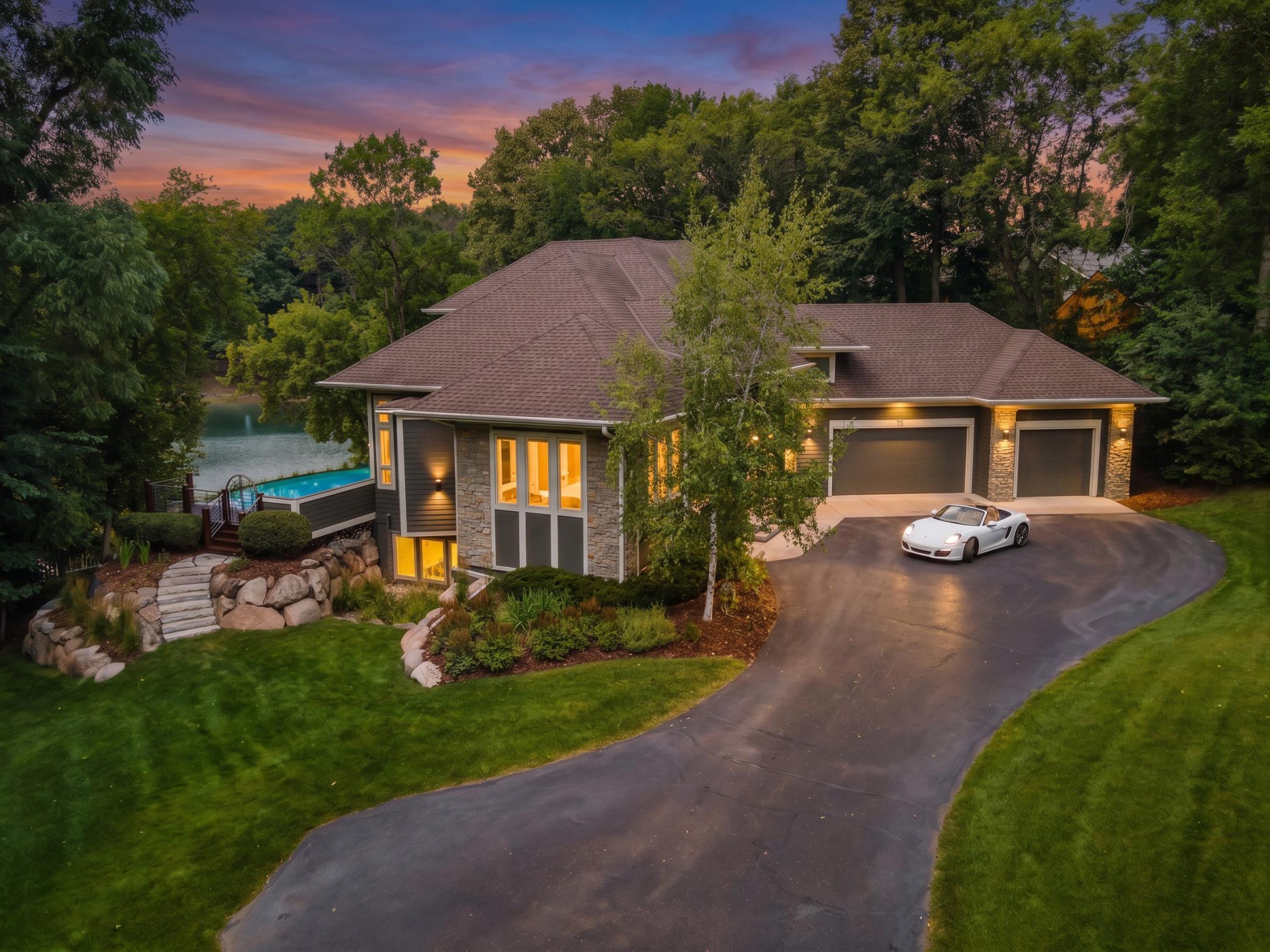
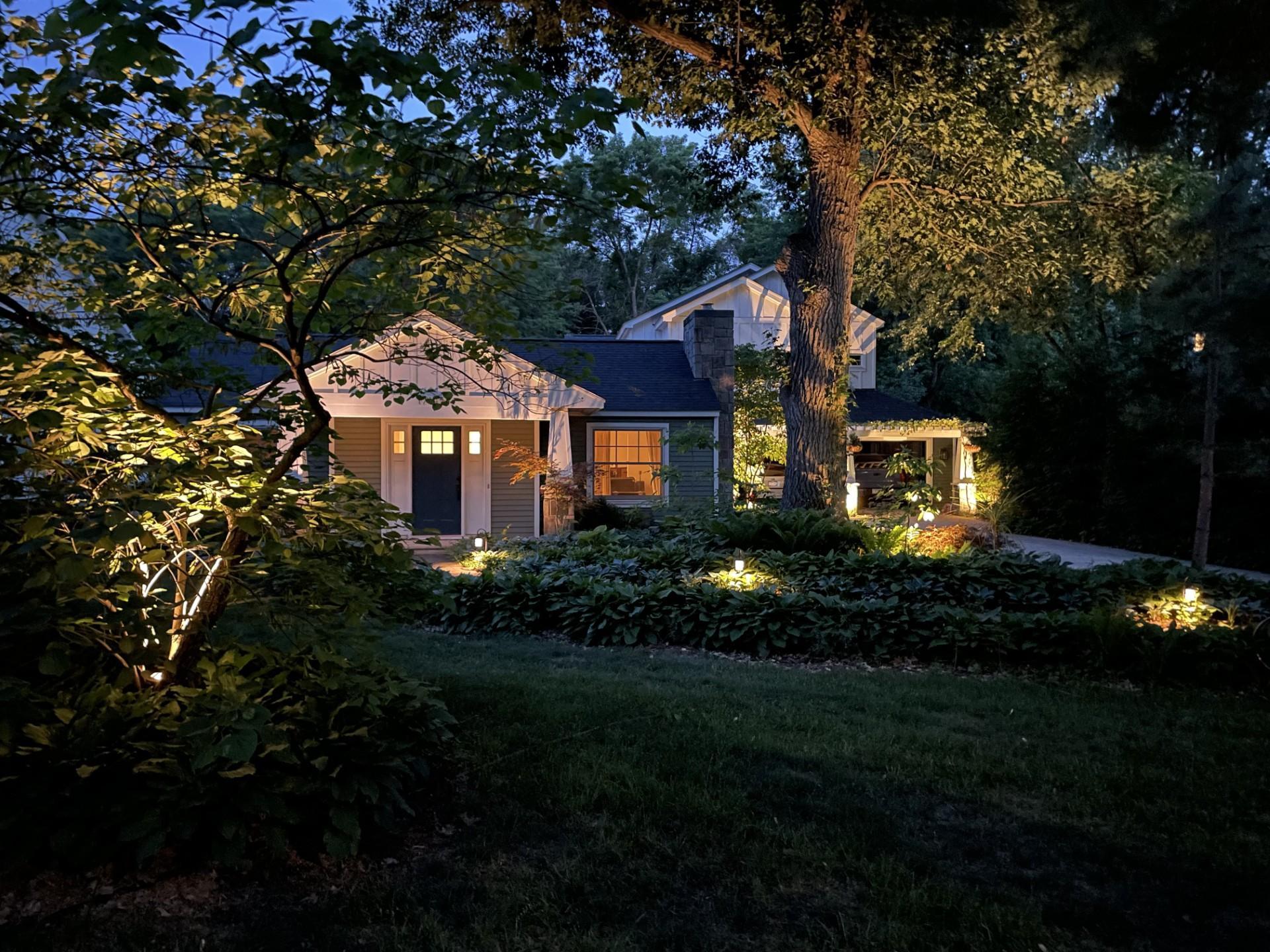
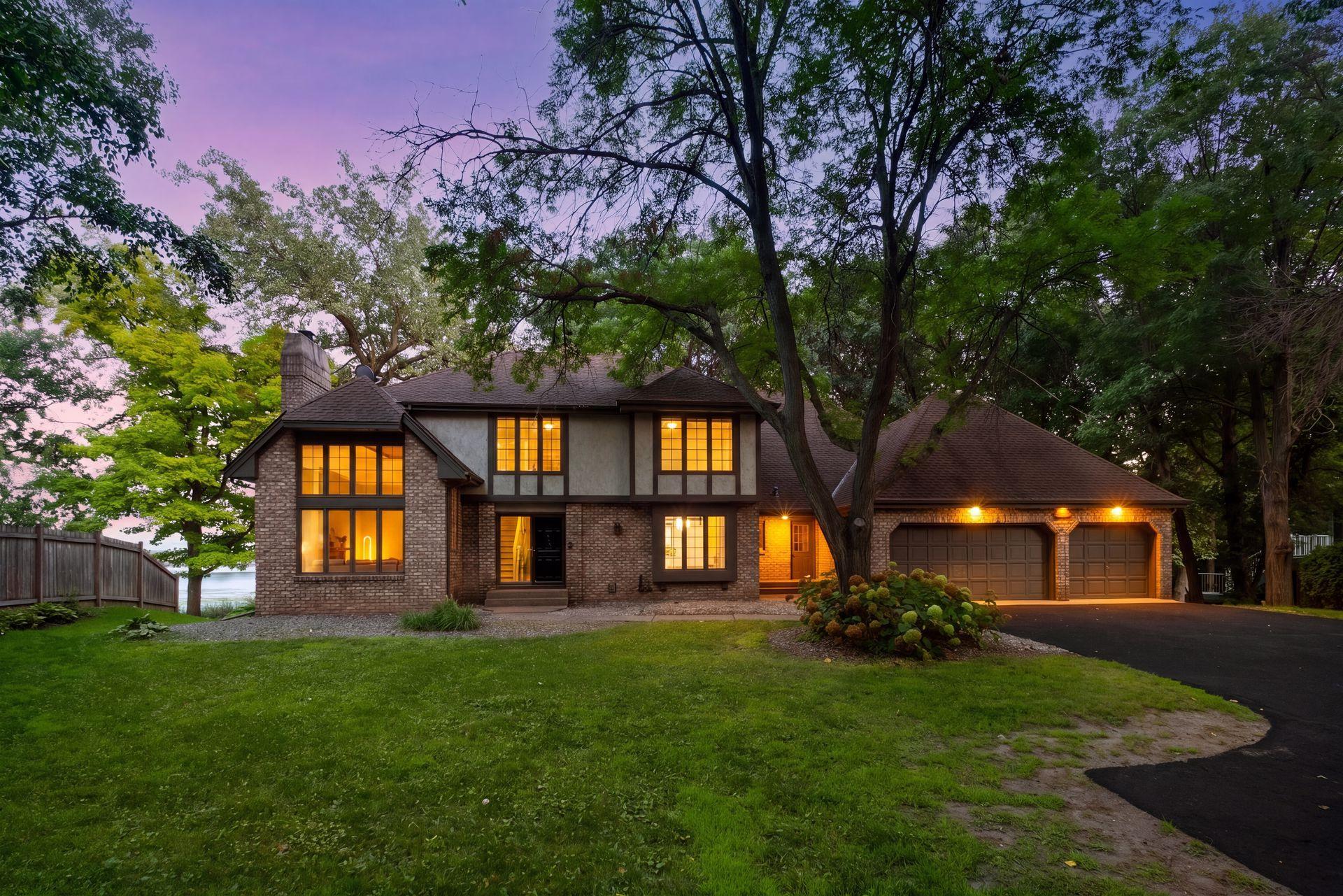
East Plymouth, around Medicine Lake and Parkers Lake, is the established, nature-heavy part of the city. Streets are mature and tree-lined, and the housing leans toward mid-century ramblers, split-levels, and modified two-stories built largely between the 1960s and 1980s. This is where you find lakeside properties, larger wooded lots, and quick access to French Regional Park. Buyers who value character and land over new construction gravitate here.
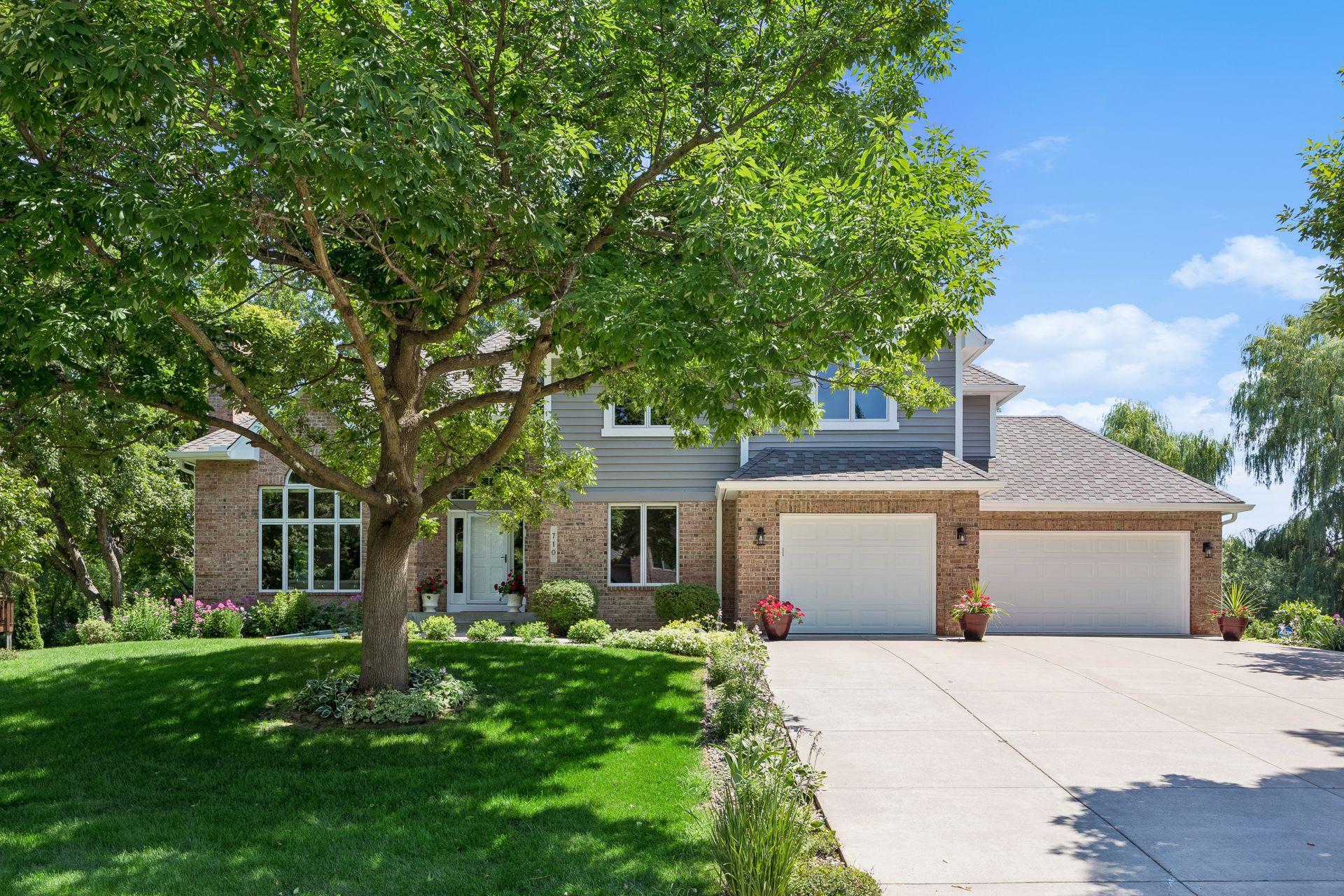
Central Plymouth, along the Bass Lake Road and Highway 55 corridors, is classic late-20th-century suburbia. Expect two-story traditionals, colonial revivals, and broad split-levels from the 1980s and 1990s growth boom. Its position near the Plymouth Community Center, civic spaces, and major shopping makes it a perennial favorite for families who want parks and walking trails close at hand.
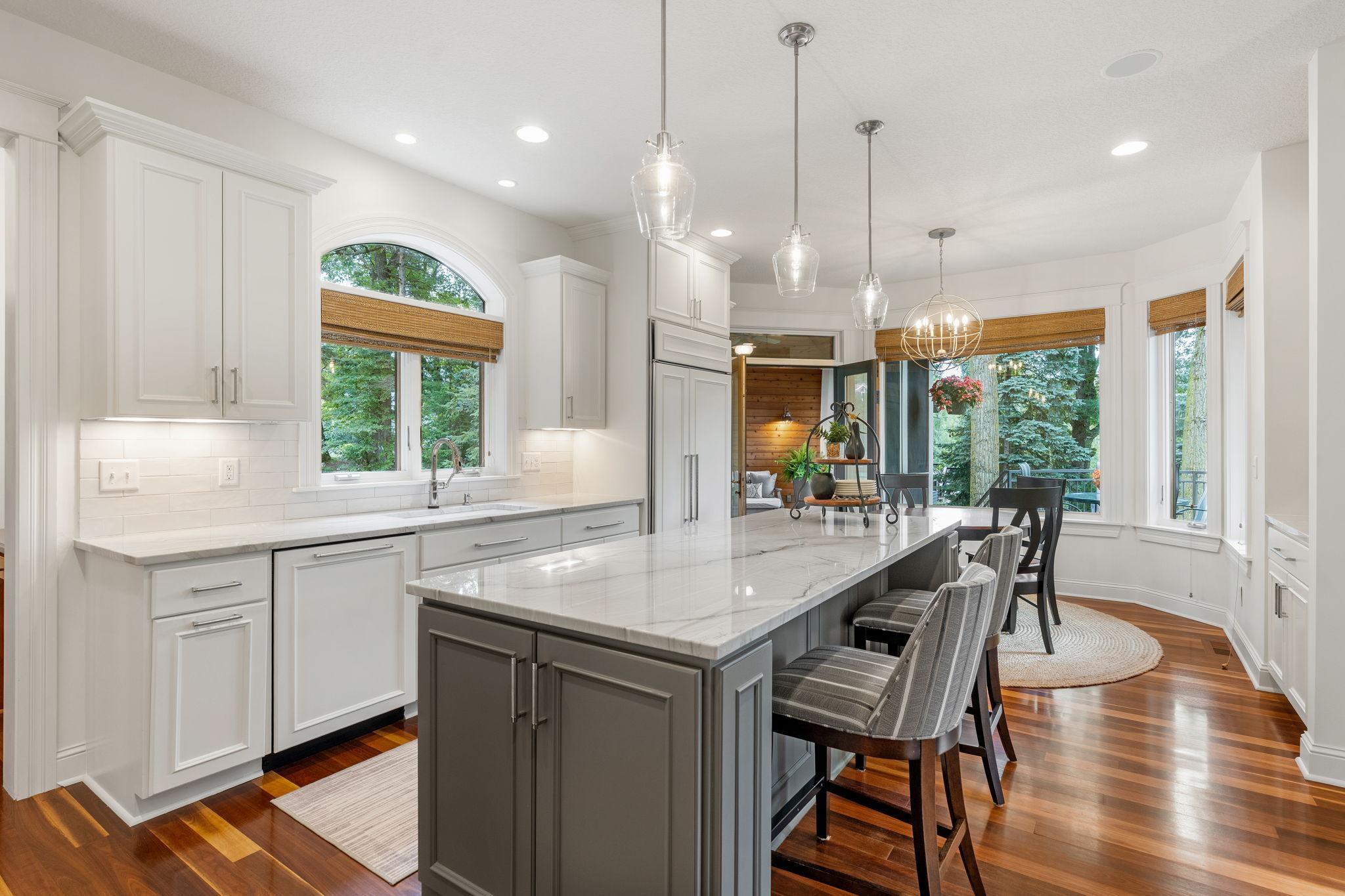
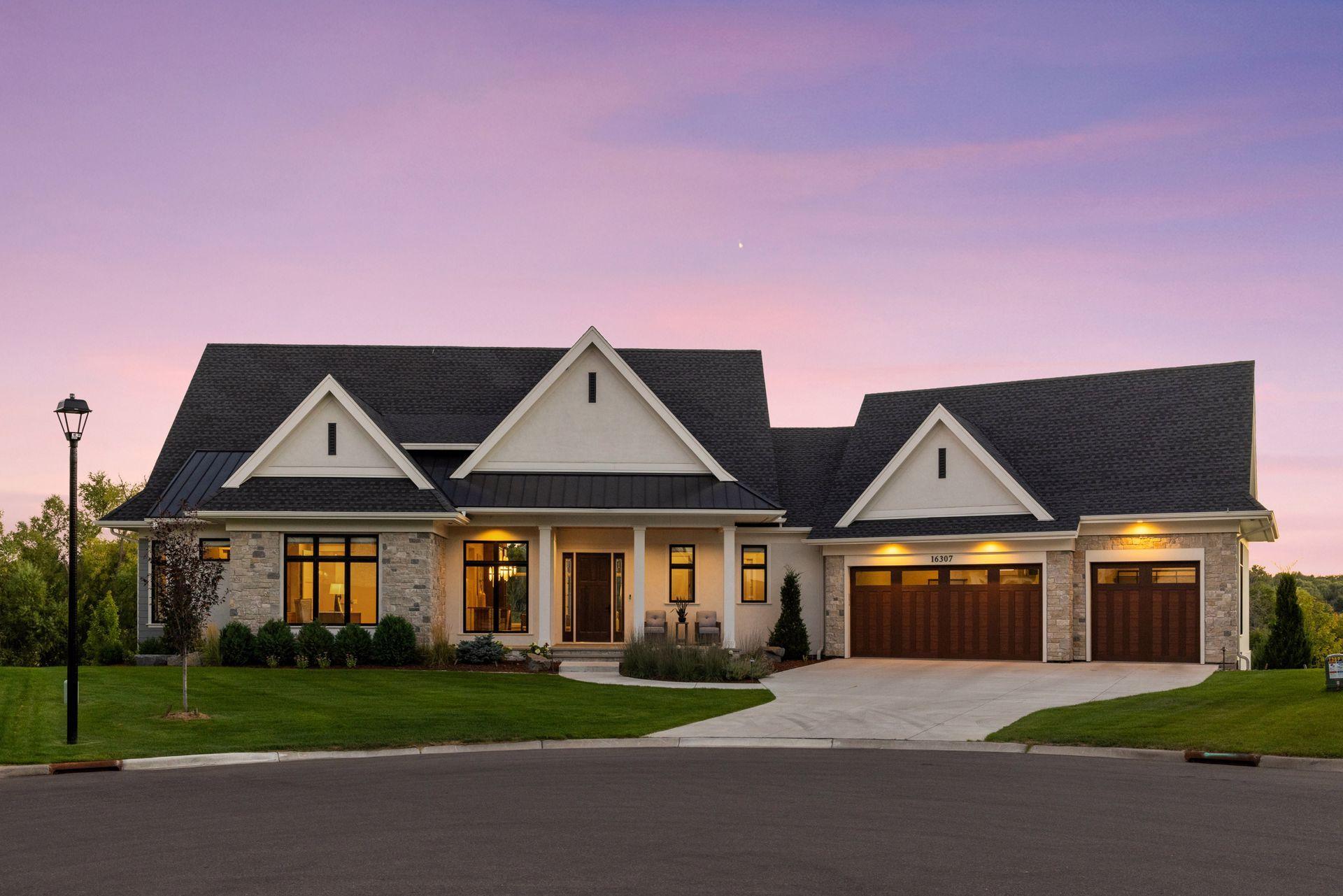
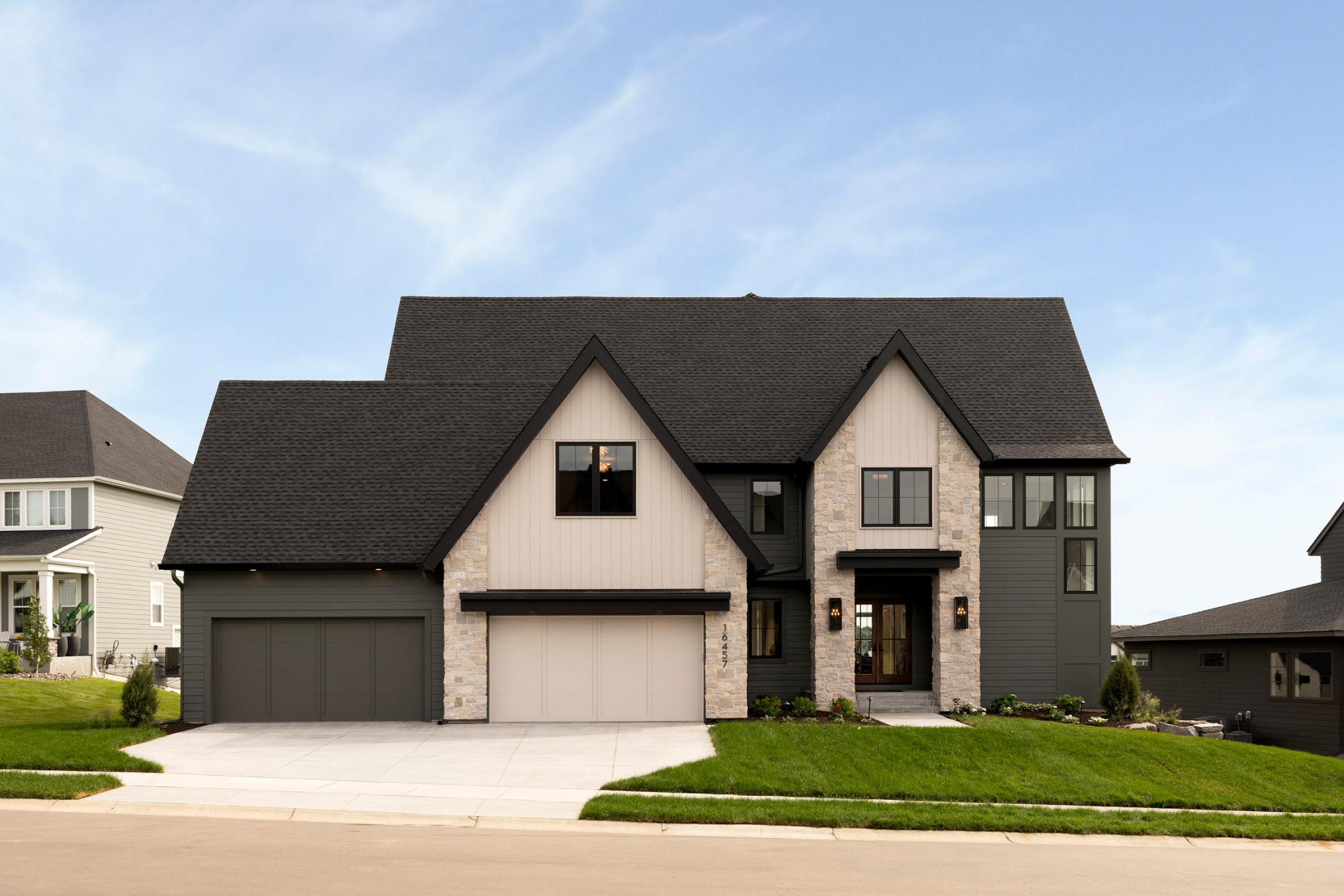
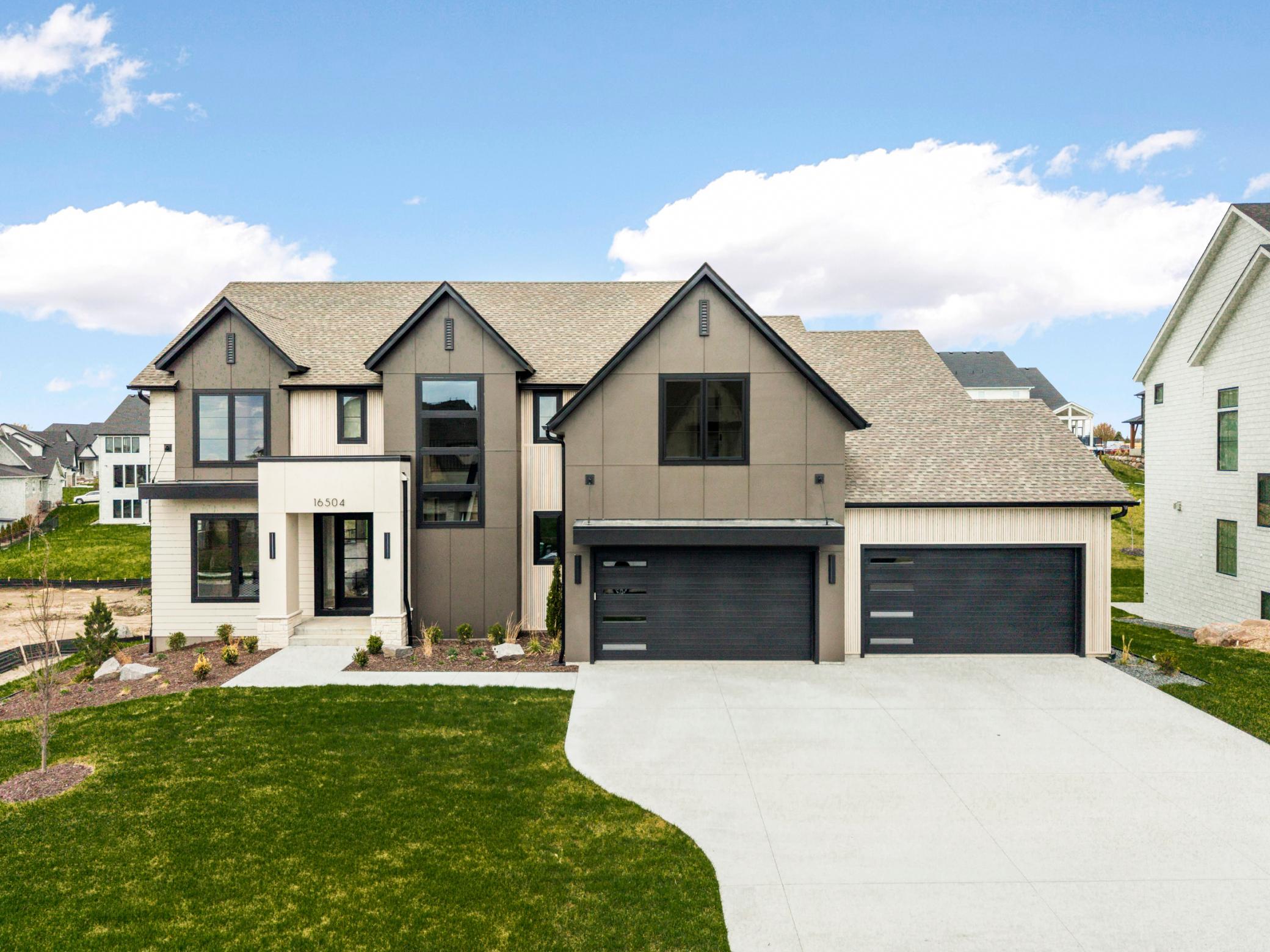
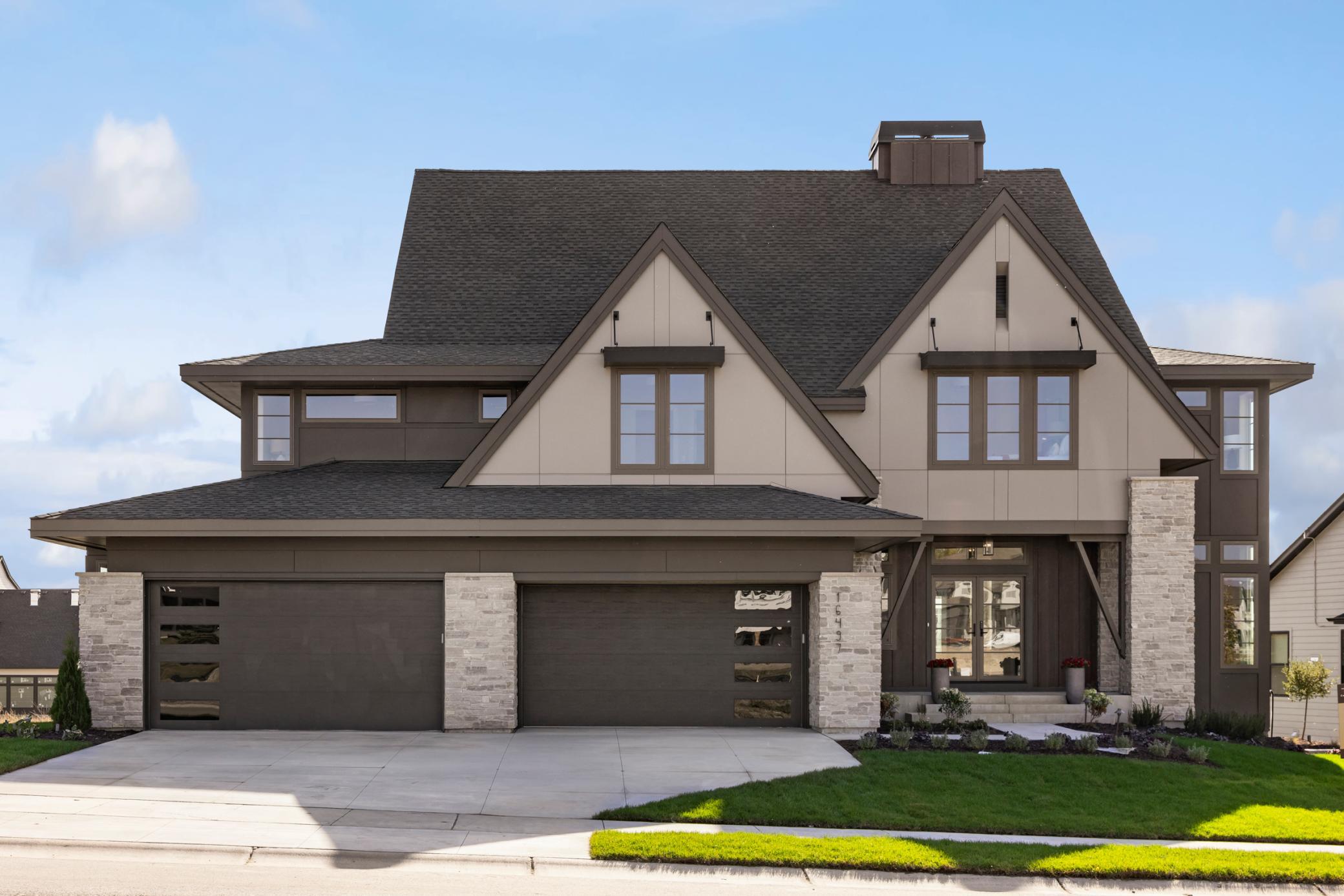
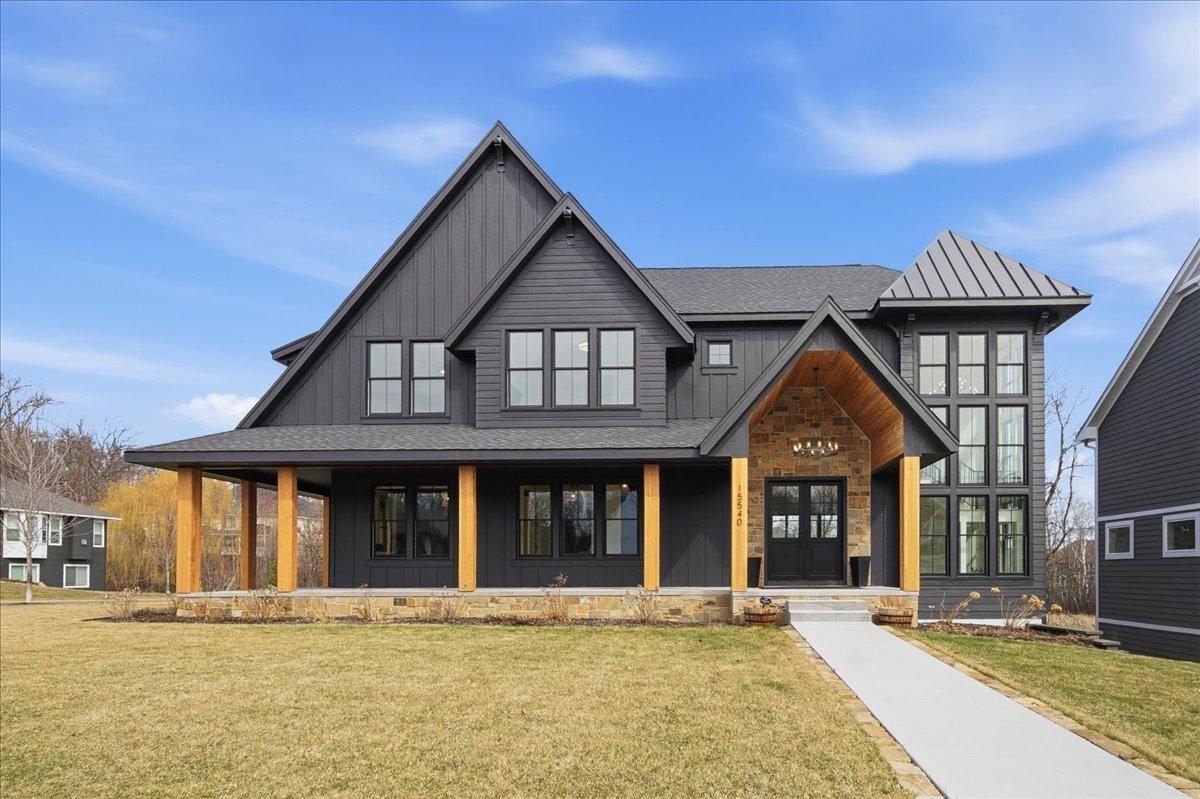
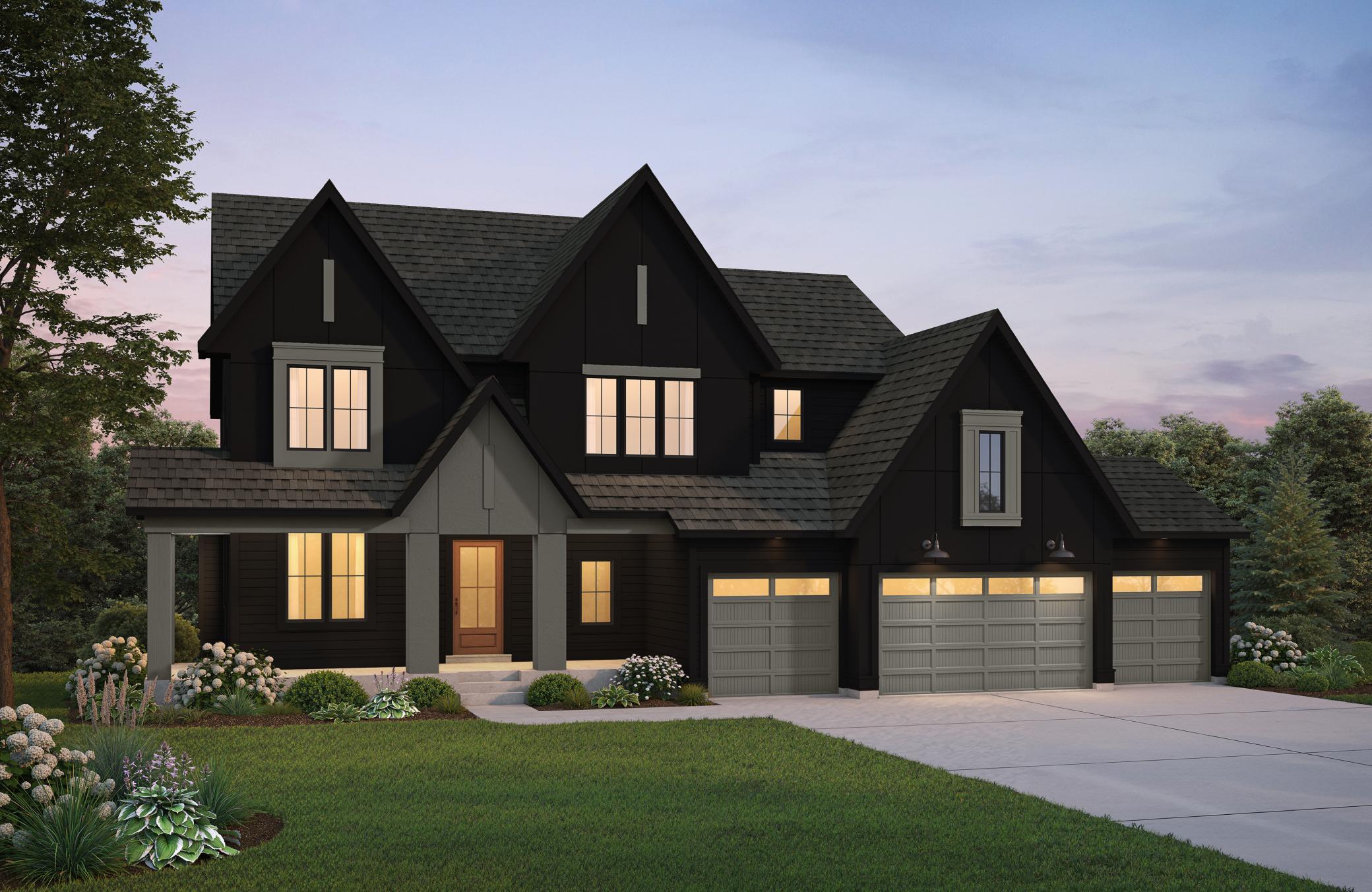
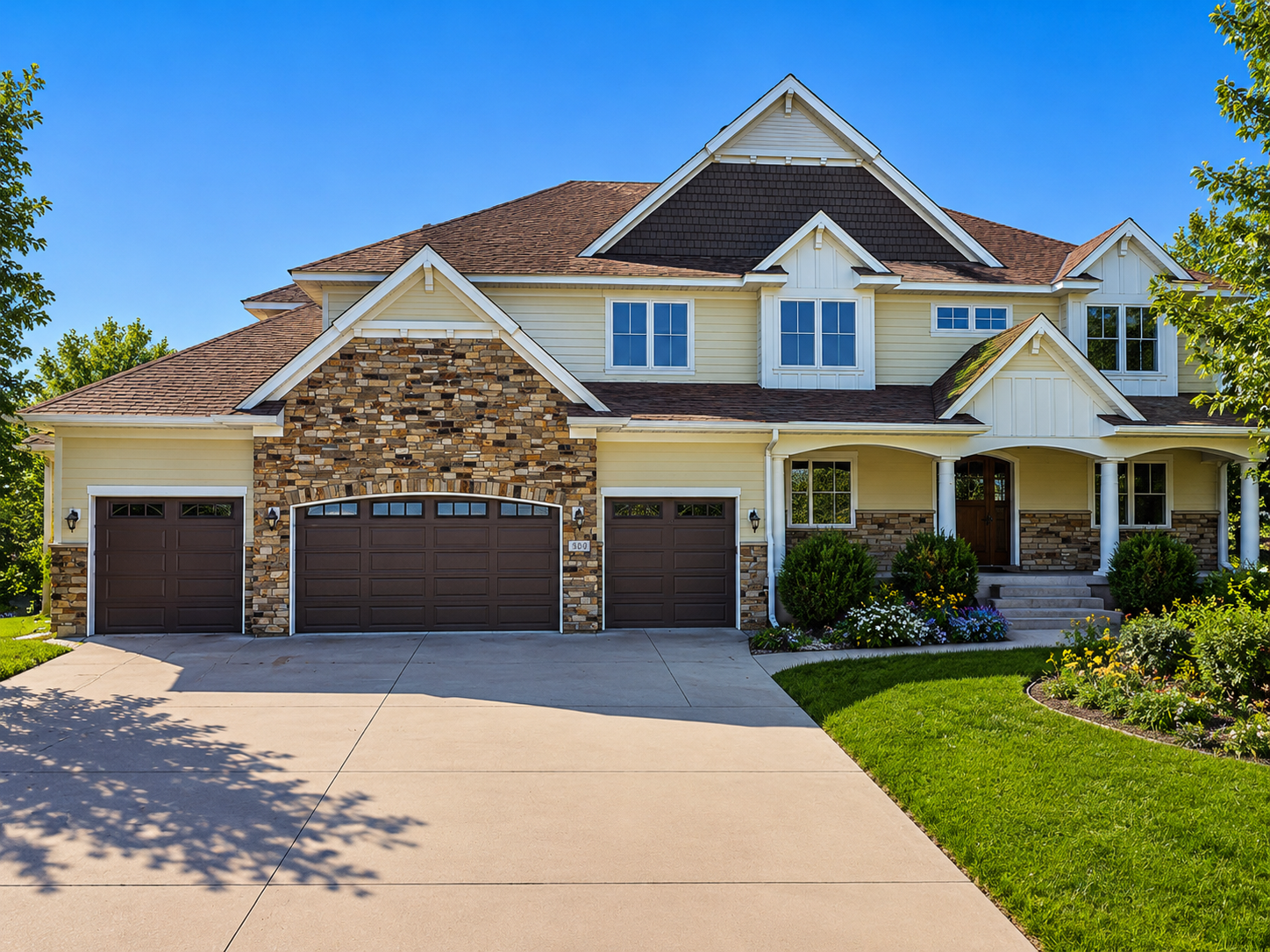
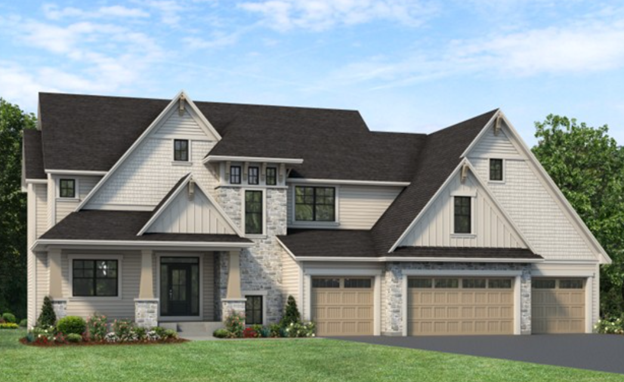
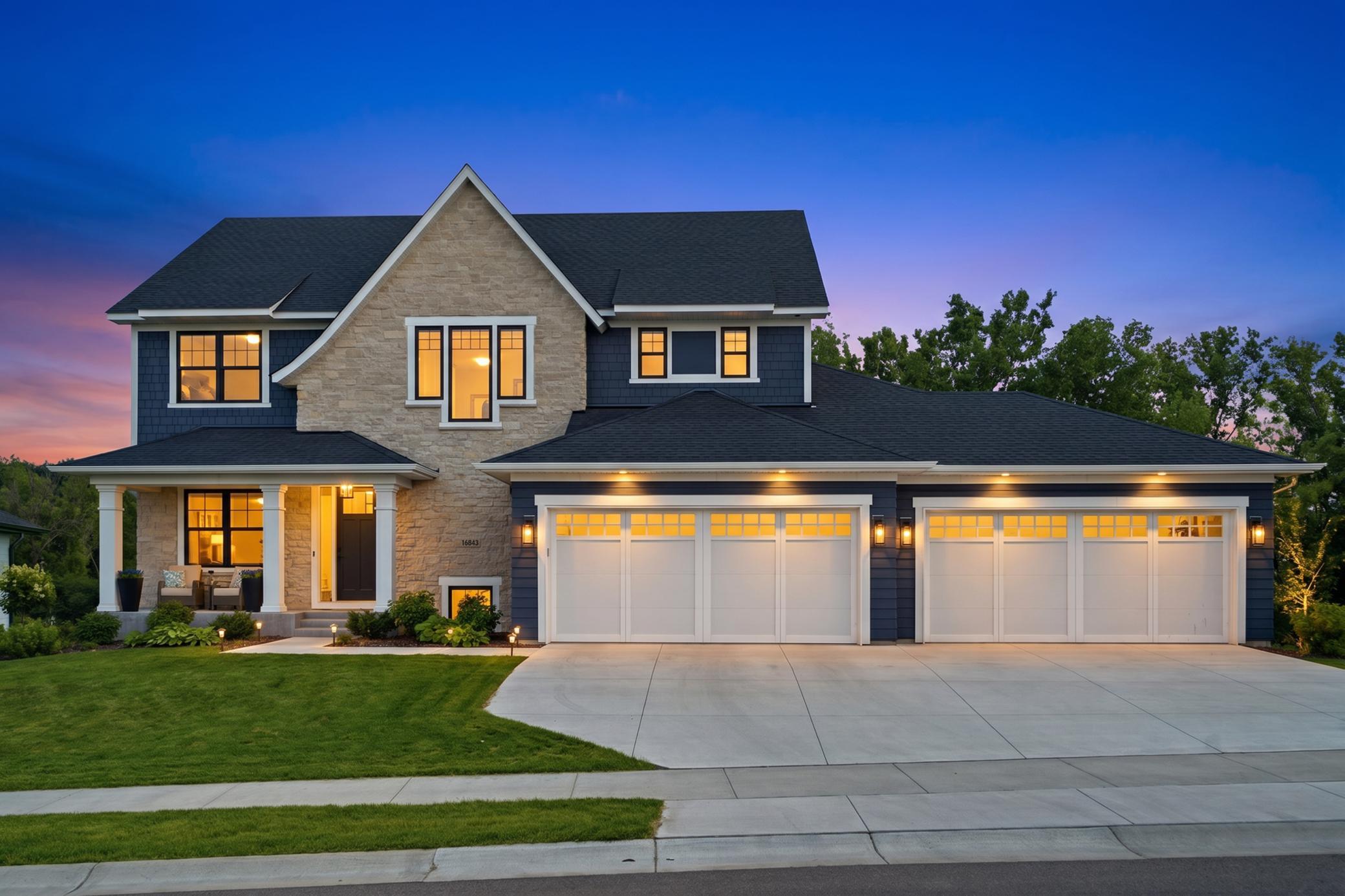
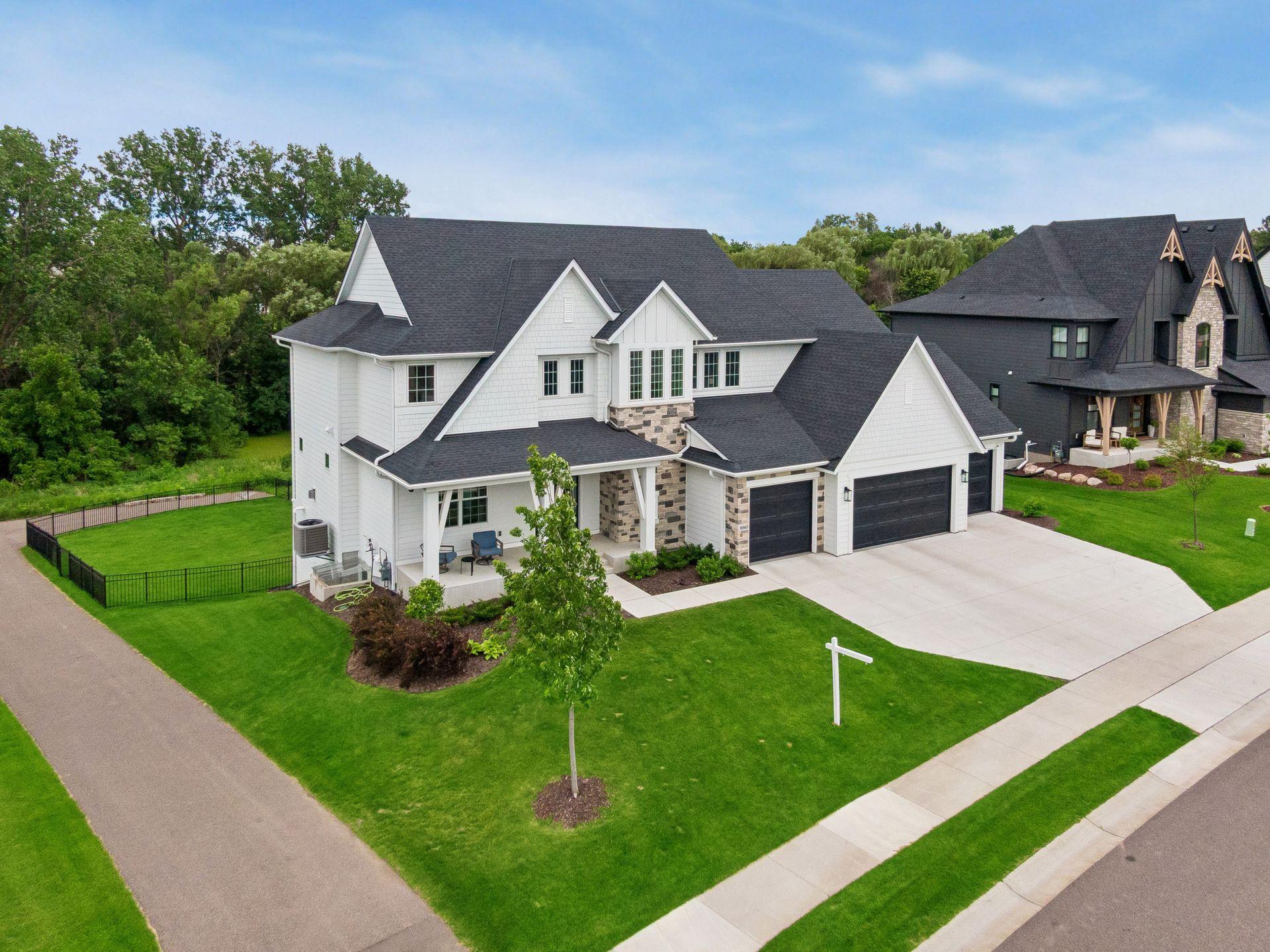
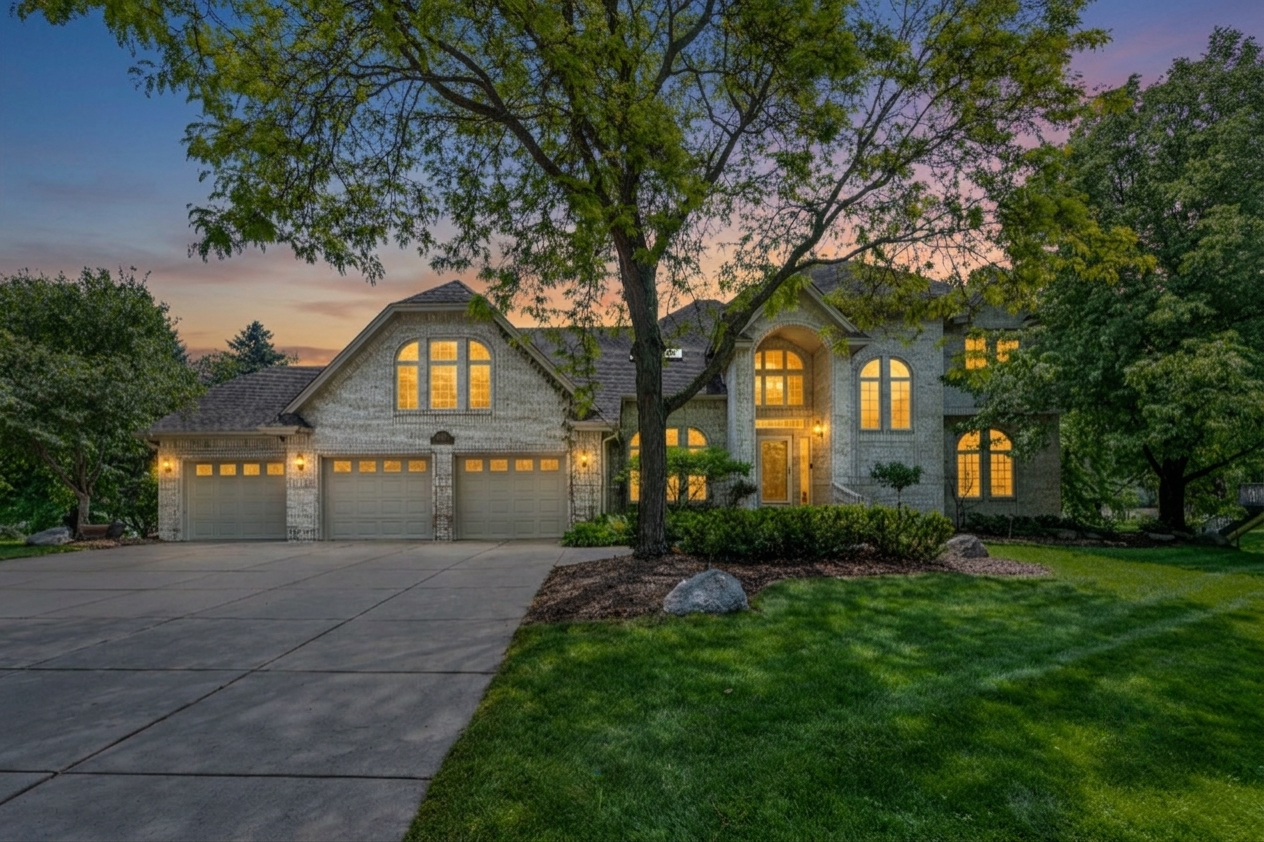
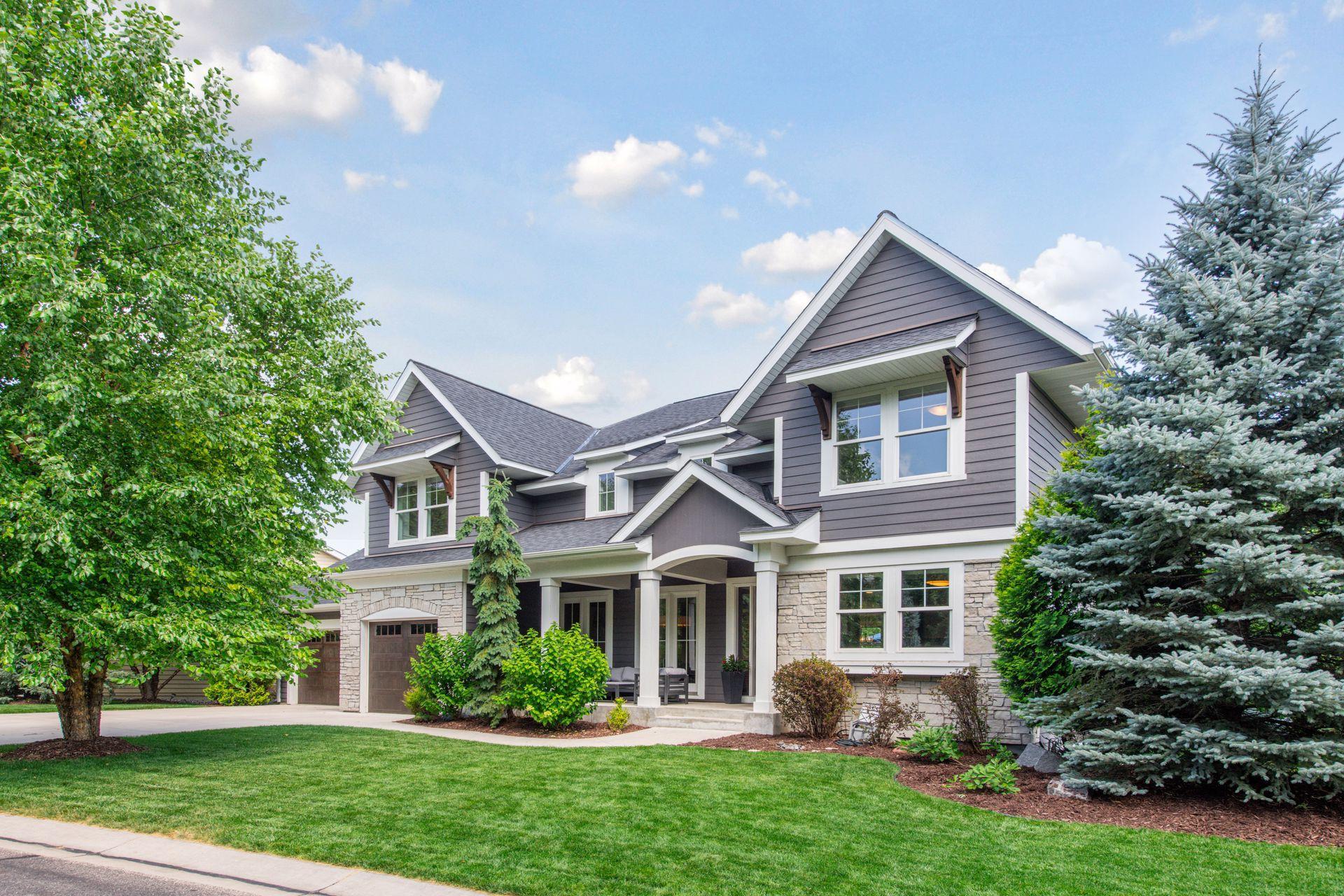
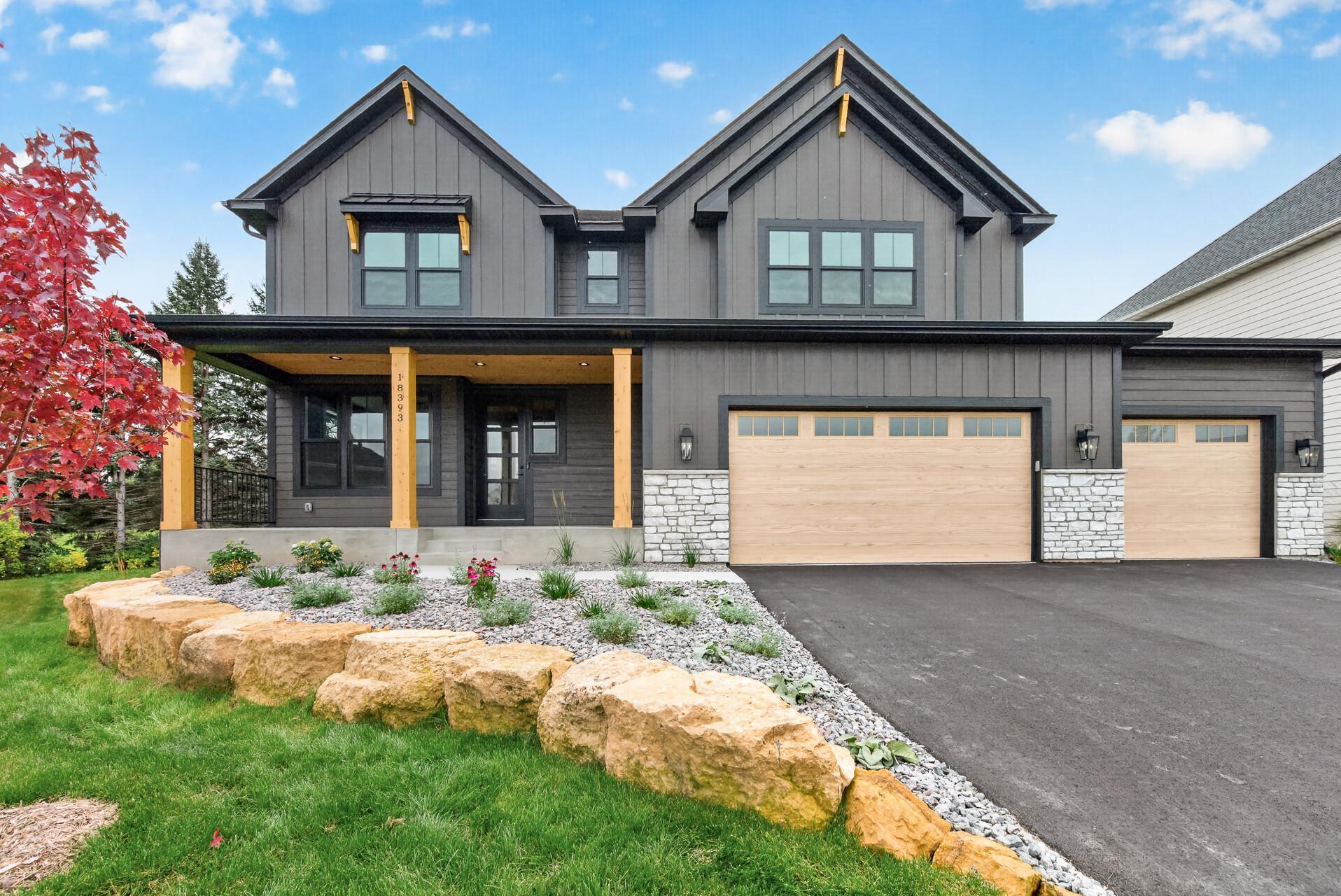
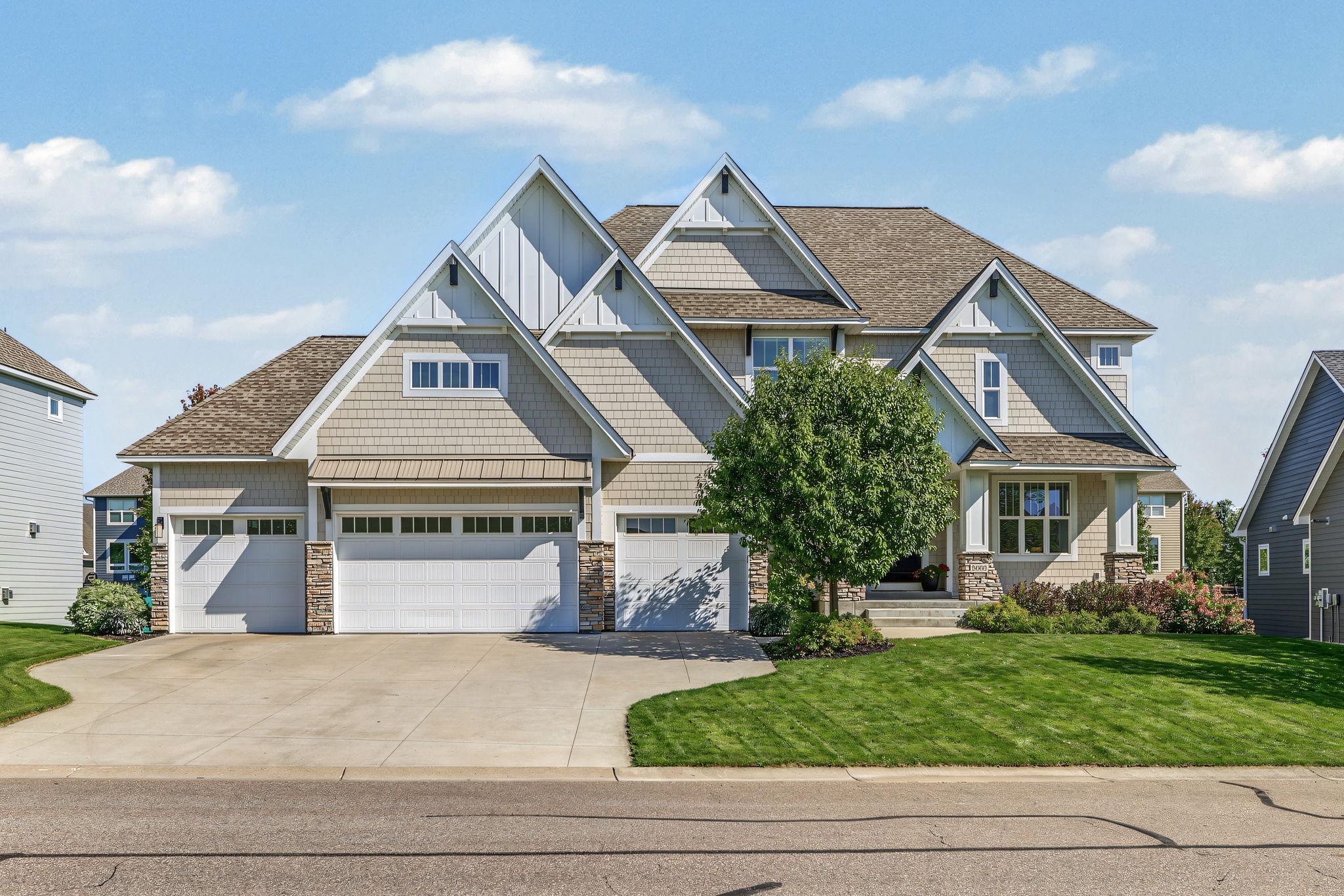
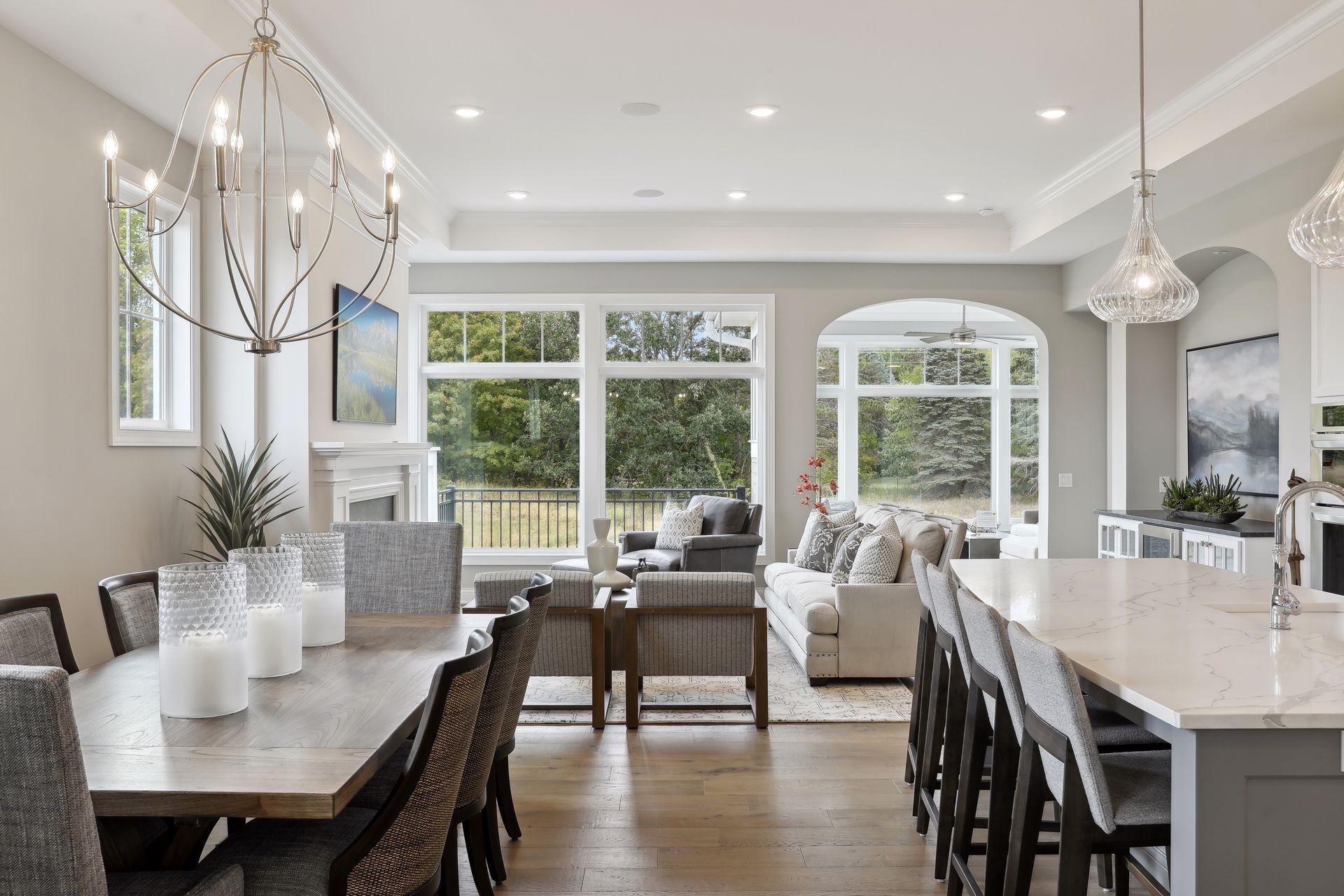
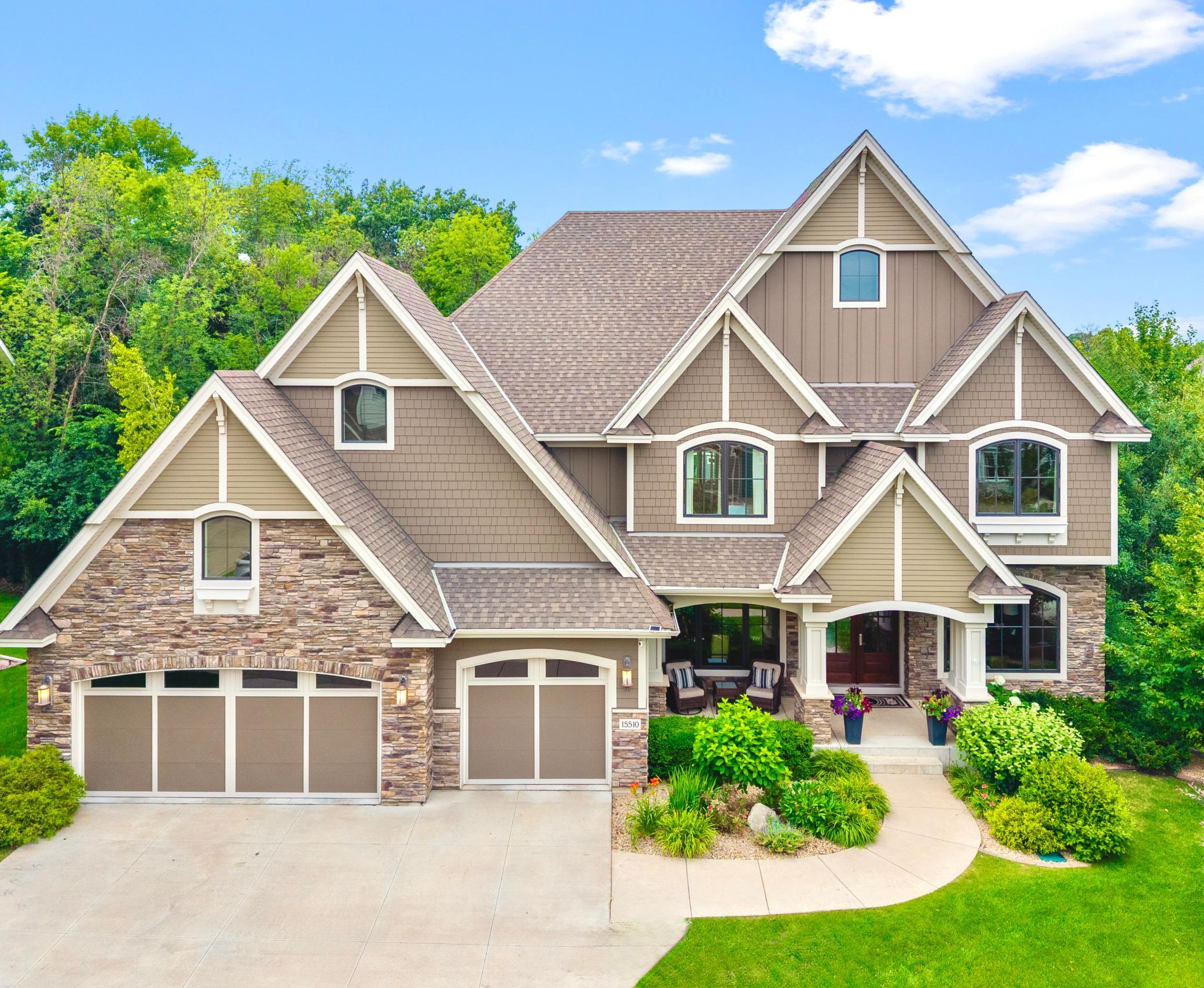
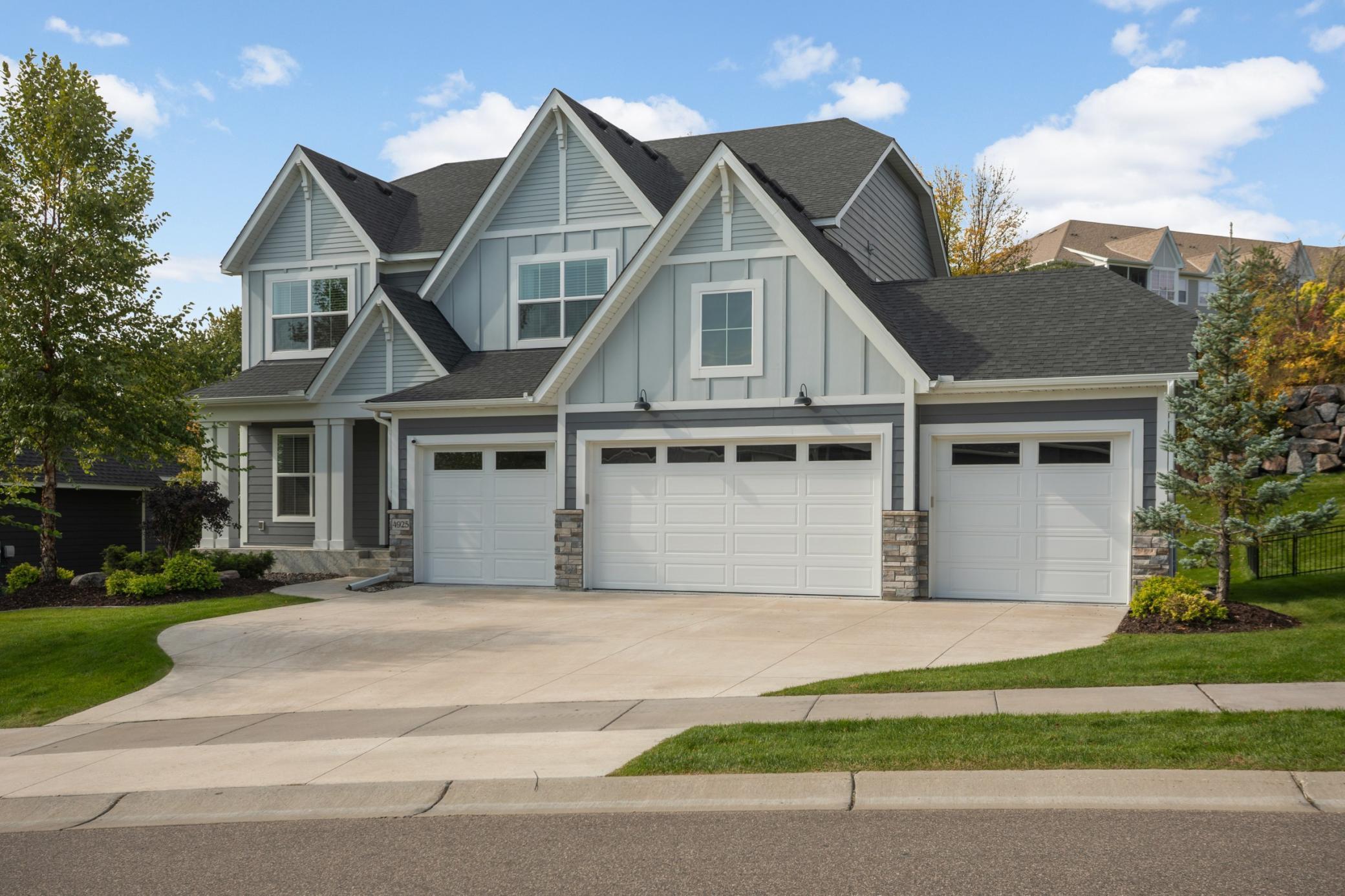
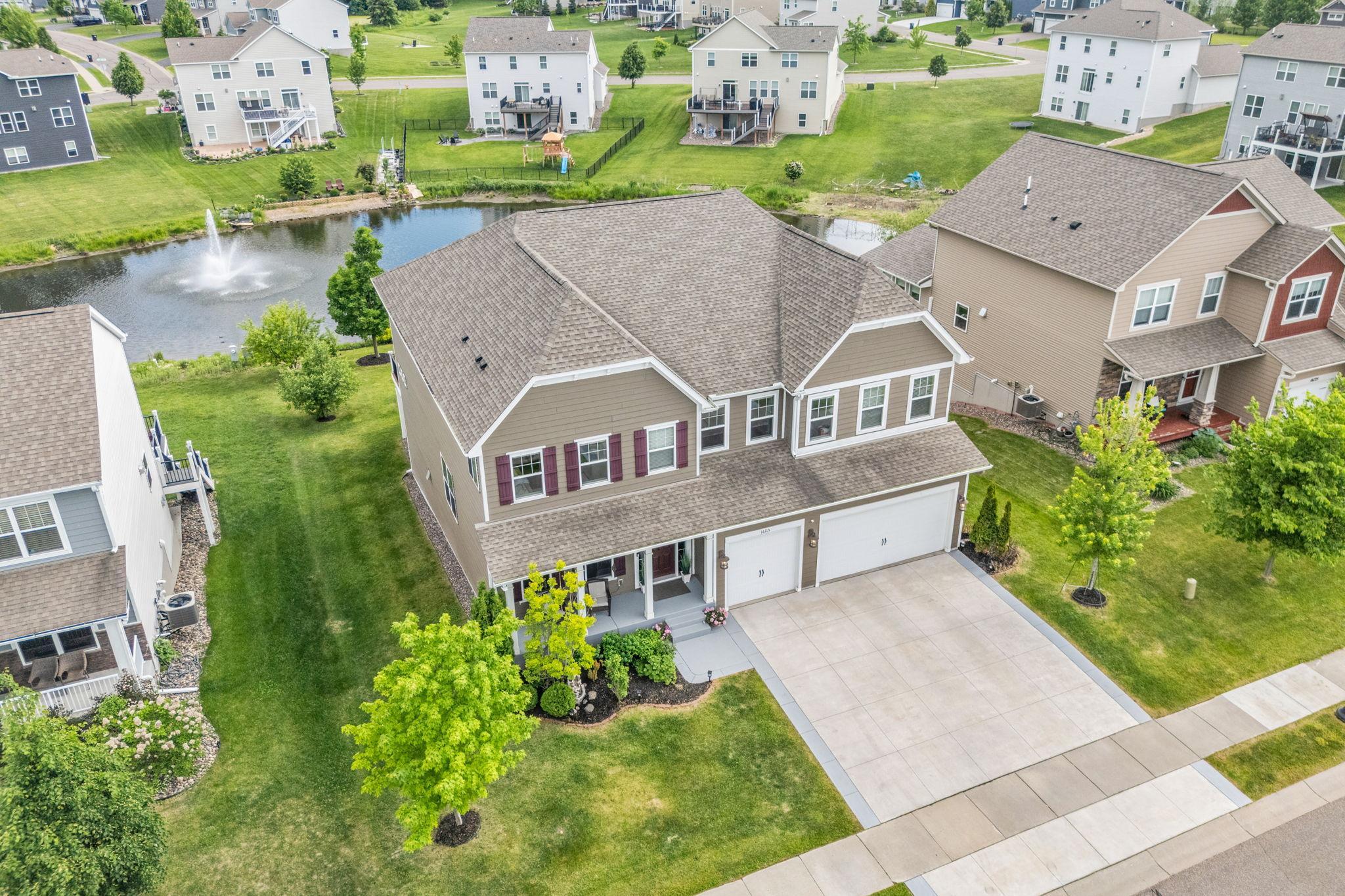
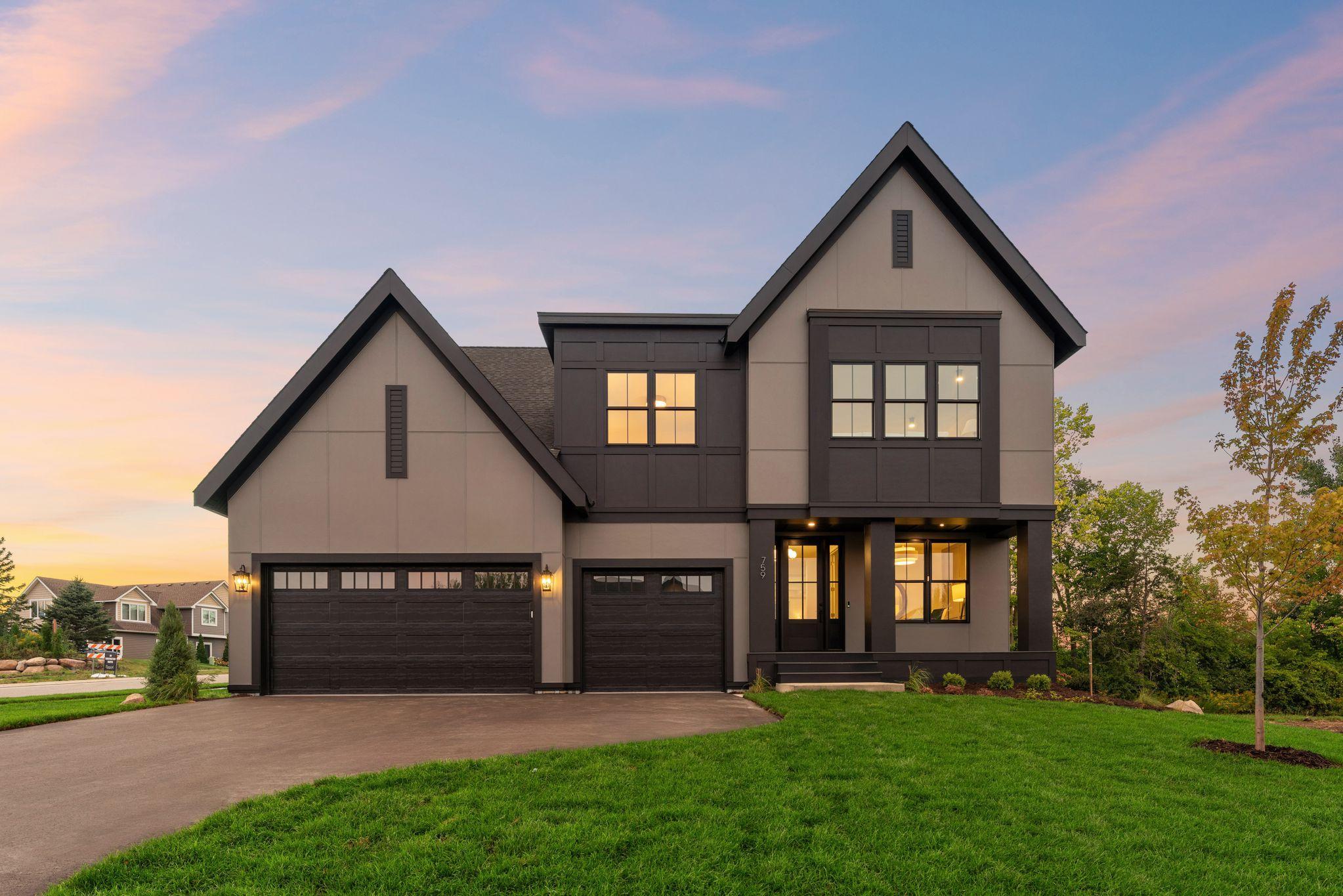
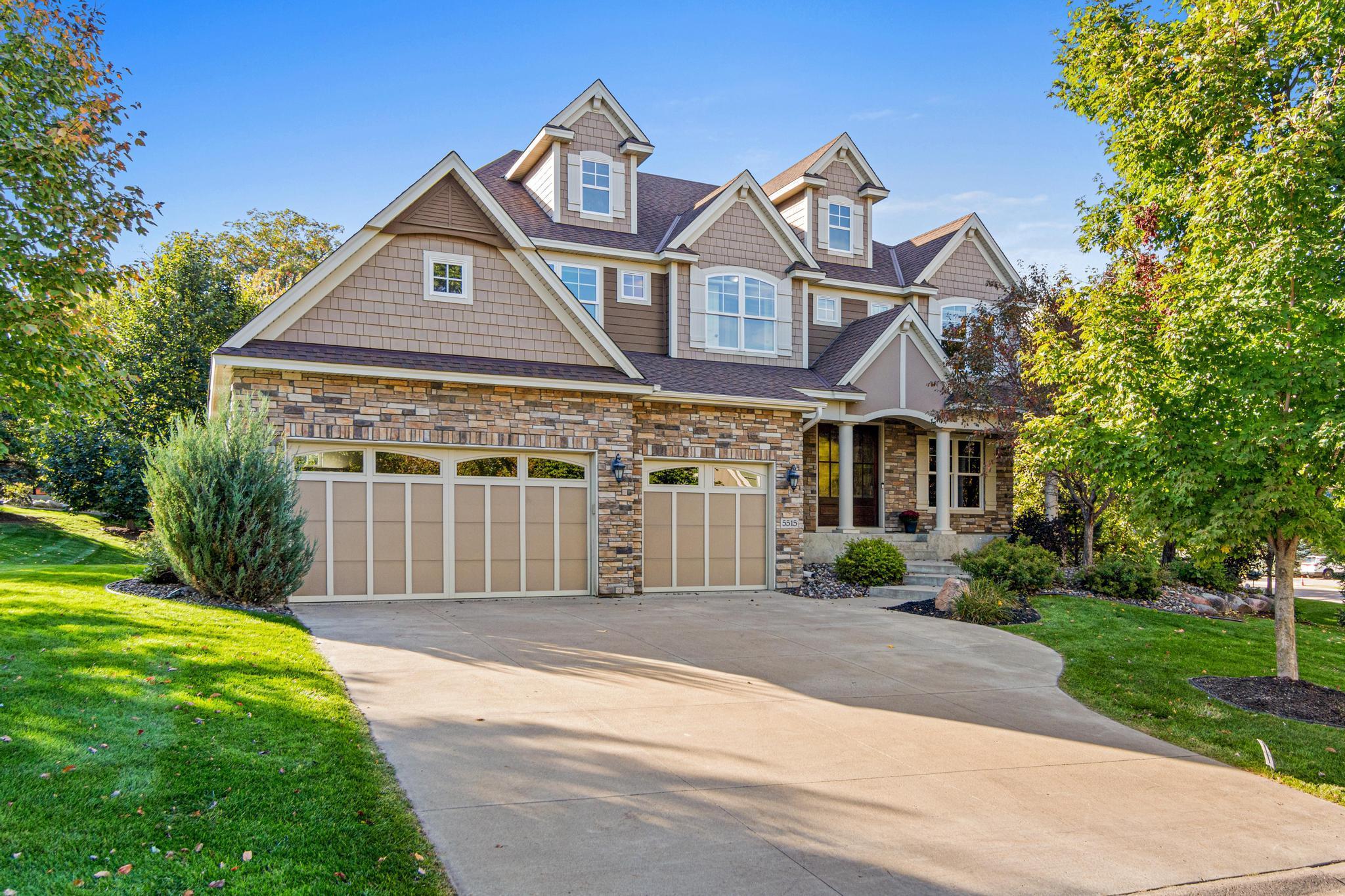
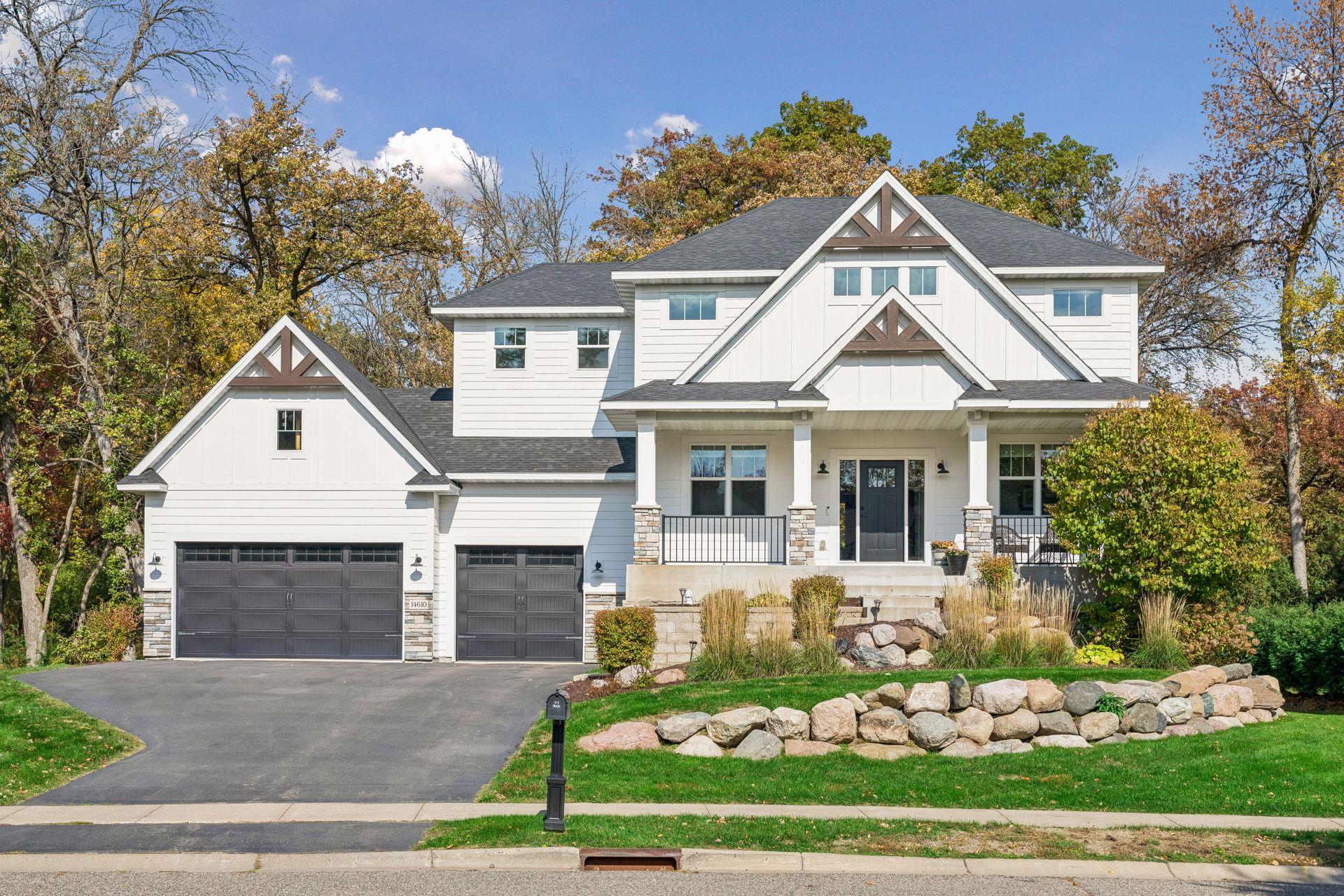
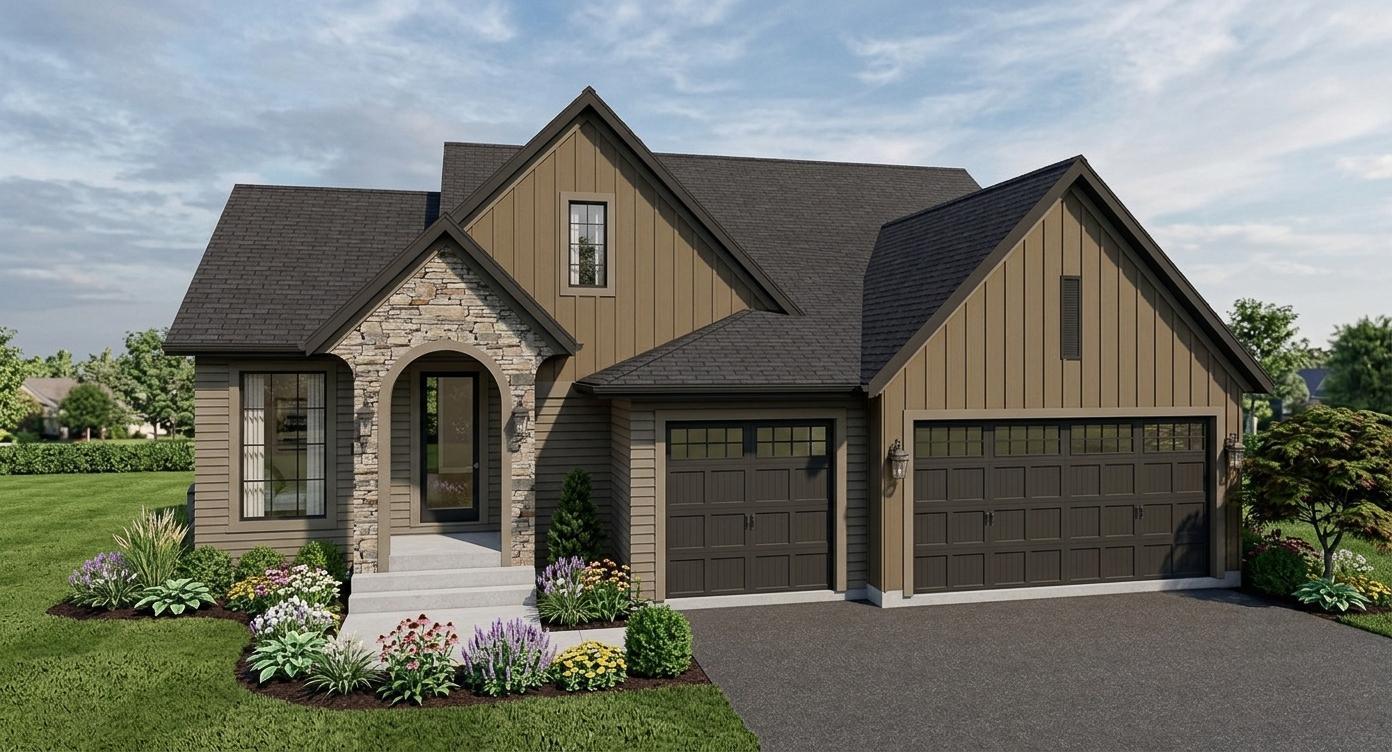
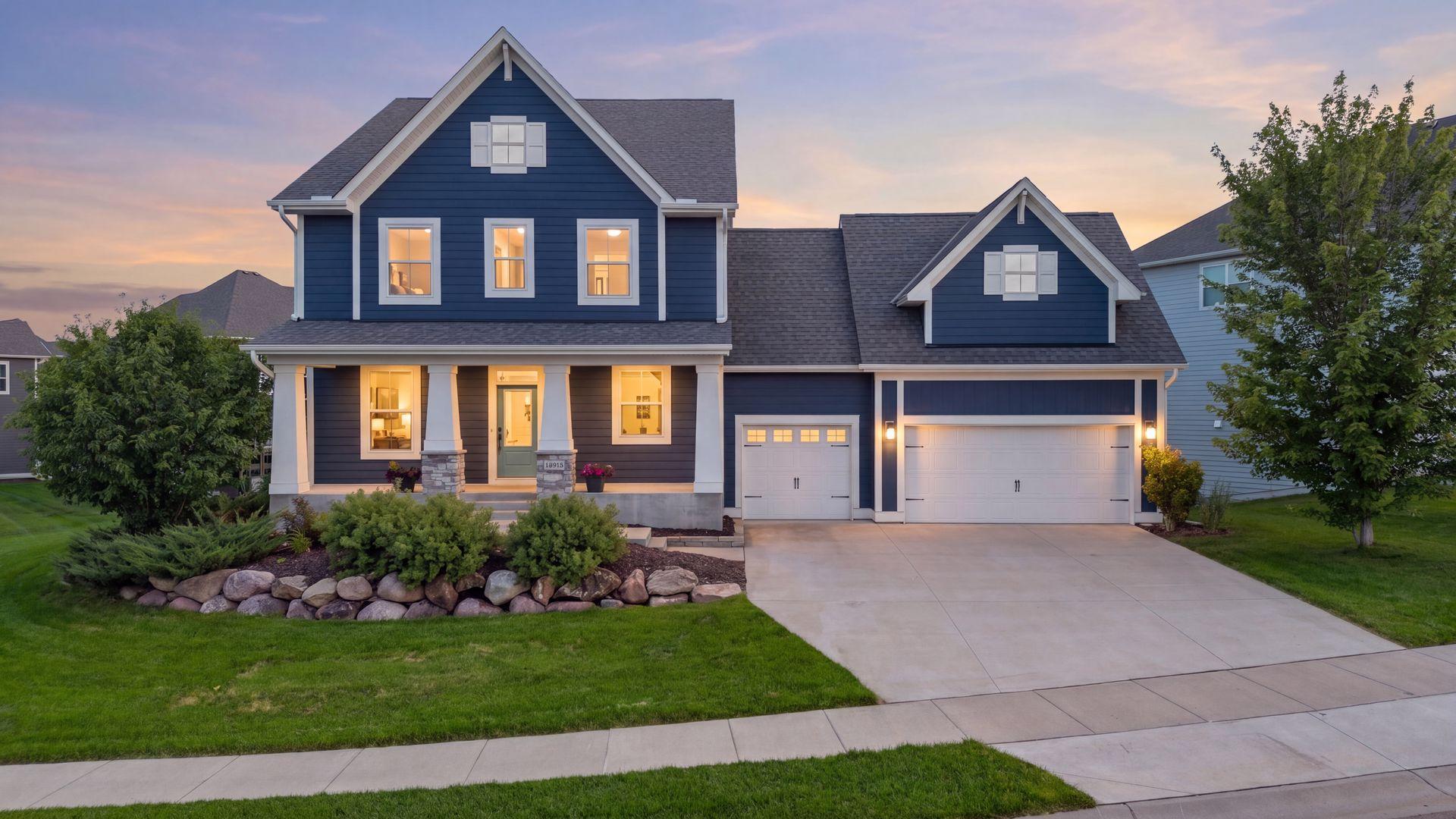
West and Northwest Plymouth, near Wayzata High School and the Hollydale area, is the modern, upscale, master-planned face of the city. Homes here run to modern Craftsman, European-inspired customs, and high-end executive estates built from the 2000s onward, with open-concept layouts, walkout basements, and three- and four-car garages. Many of these neighborhoods include private amenities like community pools, clubhouses, and shared green space.
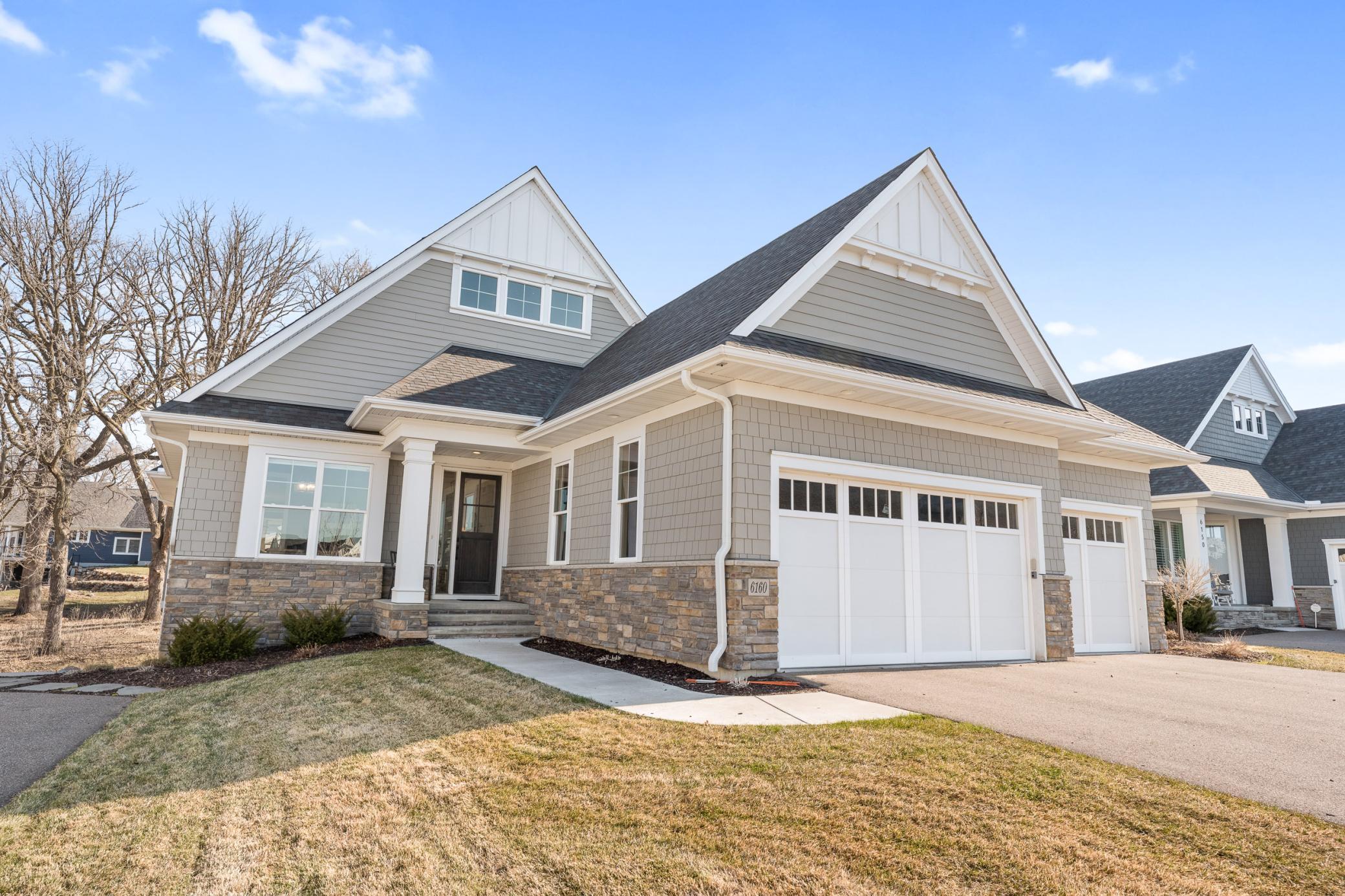
Finally, Plymouth has a strong stock of low-maintenance and active-adult communities, from one-level villas and quad-homes to row-style townhomes and 55+ developments like Hollydale Villas and Cimarron Ponds. These offer association-maintained lawns and snow removal, often bundled with trails or private pools, and they are the reason so many longtime residents are able to downsize without leaving town.
Parks, Lakes & Outdoor Recreation
Few suburbs take green space as seriously as Plymouth does. The city maintains more than 1,800 acres across 68 developed parks, stitched together by 186 miles of interconnected trails. For an outdoor-oriented household, this alone can be the deciding factor.
The water is the centerpiece. Medicine Lake, at over 1,200 acres, is the second-largest in Hennepin County and the hub for boating, water skiing, kayaking, and winter ice fishing. Parkers Lake offers a quieter counterpoint, with a public beach, a canoe and kayak launch, a fishing pier, and surrounding parkland. Anchoring the north shore of Medicine Lake is Clifton E. French Regional Park, run by the Three Rivers Park District, with swimming beaches, lighted cross-country ski trails, equipment rental, a large play area, and visitor center programming. On the Maple Grove border, Eagle Lake Regional Park adds biking and hiking trails, snowshoeing, and the Eagle Lake Youth Golf Center. Cutting through southern Plymouth is the Luce Line State Trail, a 63-mile crushed-limestone and paved rail-trail beloved by long-distance cyclists, walkers, and even horseback riders.
Plymouth's recreation does not stop when the weather turns. The Plymouth Community Center and Fieldhouse offers indoor walking tracks, meeting and sensory spaces, and a temperature-controlled indoor turf dome that keeps sports going year-round. The Plymouth Ice Center, operated jointly with Wayzata Schools and Life Time, is a state-of-the-art multi-arena facility serving hockey leagues and public skating. Between the lakes, trails, and indoor facilities, it is genuinely difficult to run out of things to do here.
Schools & Education
Education is one of the strongest reasons buyers target Plymouth, but it comes with an important wrinkle: the city has no single unified district. Instead, it is split across four public school districts, and which one your address falls into can meaningfully affect both daily life and resale value. This is something I always encourage buyers to verify at the property level rather than the neighborhood level.
District | Approx. Coverage | What to Know |
|---|
Wayzata Public Schools (ISD 284) | ~64% | Serves central, western, and southern Plymouth. Consistently ranked among Minnesota's top three districts. Wayzata High School, located in Plymouth, is the largest high school in the state, with deep AP/IB offerings. |
Robbinsdale Area Schools (ISD 281) | ~21% | Serves east-central Plymouth. Home to Robbinsdale Armstrong High School and magnet programs in Spanish immersion and STEAM. |
Osseo Area Schools (ISD 279) | ~13% | Serves the northeast corner, feeding into Maple Grove and Osseo Senior Highs. |
Hopkins Public Schools (ISD 270) | ~3% | Covers a small pocket of extreme southeastern Plymouth. |
The private and charter landscape is strong as well. Providence Academy is a prominent PreK–12 Catholic college preparatory school set on a 43-acre campus in Plymouth, while West Lutheran High School and Fourth Baptist Christian School round out the faith-based options. For families whose top priority is a specific school, mapping boundaries early is the single most valuable step in the search, and it is exactly the kind of detail a local agent earns their keep on.
Dining & Local Restaurants
Plymouth's food scene reflects the city itself: no single concentrated "downtown," but plenty of quality spread along the major corridors of Highway 55, I-494, and Plymouth Boulevard. What it lacks in a walkable restaurant row, it makes up for in variety and a few beloved institutions.
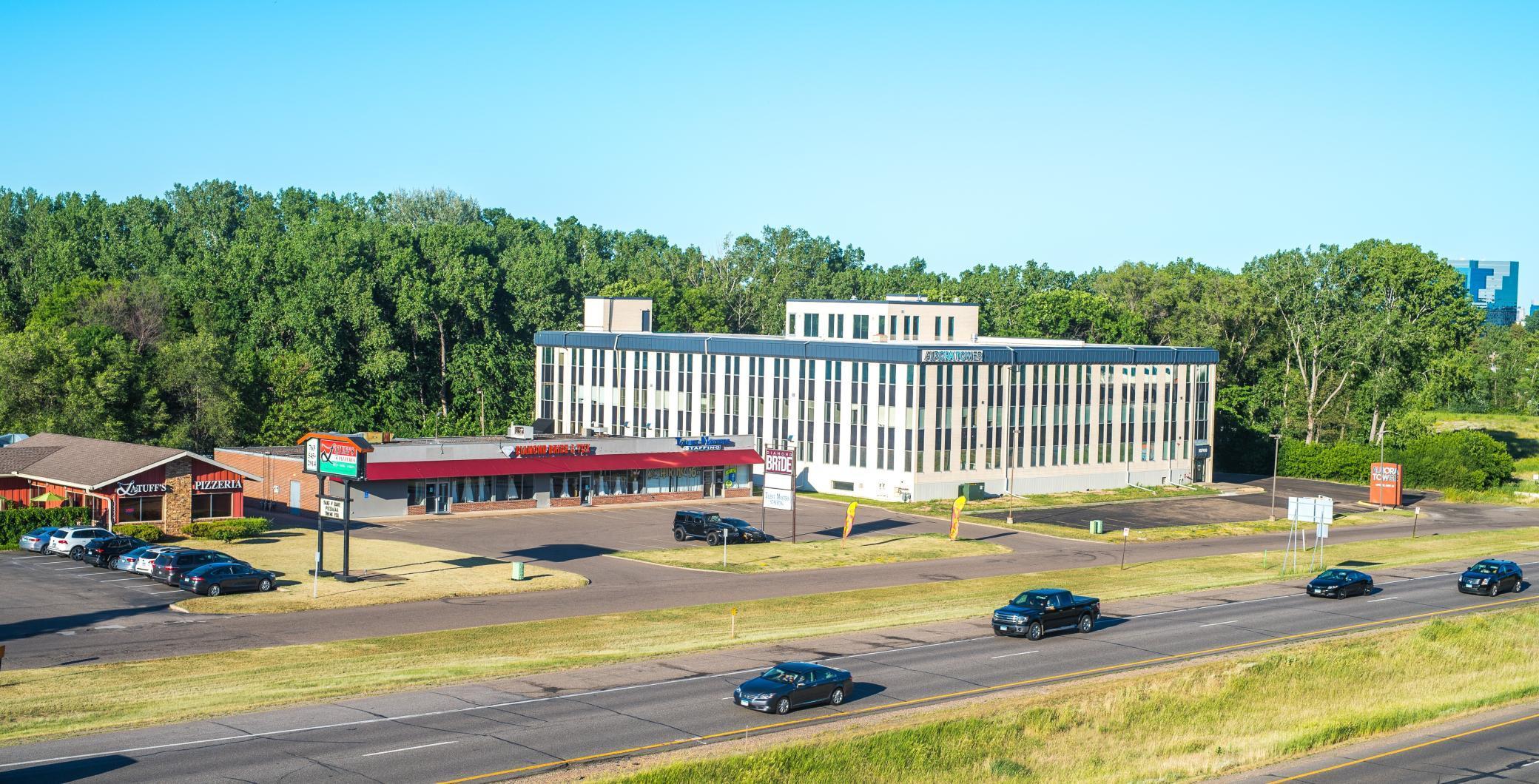
At the top of the local-favorites list is Latuff's Pizzeria, a Plymouth fixture since 1971, known for Twin Cities-style thin-crust pizza and its house-made creamy Italian dressing. The Tavern Grill draws crowds for upscale-casual burgers, pizzas, and a popular patio, while Luce Line Brewing Co. sits right along the trail with a rotating tap list, patio seating, and visiting food trucks. For something more boutique, The Fox and Pantry in City Center blends specialty coffee, scratch pastries, craft cocktails, and even floral design workshops. Slice purists head to ElMar's NY Pizza for authentic, foldable New York-style pies.
The international offerings are a genuine strength. La Cocina de Ana turns out scratch-made, authentic Mexican dishes; Kobe Japanese Restaurant handles teppanyaki hibachi and sushi; Kyuramen x TBaar covers rich ramen and bubble tea; and Annapurna Eats alongside Bombay Pizza Kitchen brings flavorful Indian curries, street food, and Indian-inspired pizza. It adds up to a dining culture that rewards residents who explore beyond the obvious.
Shopping & Everyday Amenities
Plymouth is built for convenience. Retail, groceries, and services are distributed so logically across the city that most residents live within about a five-minute drive of daily essentials.
The retail heart is Plymouth City Center at Highway 55 and Plymouth Boulevard, home to Cub Foods, the Plymouth Hennepin County Library, banks, medical clinics, and local services. Just west, at Highway 55 and Vicksburg Lane, Vicksburg Commons and City Center West anchor a major Target and Hy-Vee alongside specialty shops and fast-casual dining. And while it sits just over the line in Maple Grove, The Shoppes at Arbor Lakes functions as Plymouth's de facto mall destination, three to five minutes north, with retailers like Anthropologie, Ulta, and H&M plus upscale dining.
Grocery options run deep. Beyond the Hy-Vee, Cub, Target, and Aldi staples, the city offers standout specialty markets: a Trader Joe's near Highway 169, Coborn's Market & Table with its chef-driven Global Table food hall by David Fhima and a Buttered Tin bakery, and Arkady's Market for Eastern European foods and baked goods. On the health and wellness front, residents have Life Time's expansive Plymouth club with indoor and outdoor pools and tennis, the Plymouth Community Center, and boutique studios like OrangeTheory and Pure Barre, plus major medical facilities in town including Abbott Northwestern WestHealth and the HealthPartners Plymouth Clinic.
Arts, Culture & Community Events
For a suburb, Plymouth punches well above its weight culturally, and much of that life happens outdoors. The Hilde Performance Center is the crown jewel: an open-air amphitheater with a 45-foot bandshell engineered for acoustics and a glass wall behind the stage that frames the surrounding wetlands. It is the setting for the city's marquee cultural moments. The Plymouth Arts Council partners with the city on exhibits, workshops, and opportunities for local artists, while the Millennium Garden at the Community Center doubles as a botanical retreat and event venue.
The annual calendar gives the city its rhythm. Music in Plymouth, held each July at the Hilde, is the flagship, drawing local performers, food trucks, family activities, a headline performance by the Minnesota Orchestra, and a major fireworks display. The Hilde Nights concert series carries live music through the summer with regional and national touring acts. When winter arrives, the Fire & Ice Festival takes over frozen Parkers Lake with ice carving, hayrides, speed skating, snowshoeing, bonfires, and winter fireworks. And from June through October, the Plymouth Farmers Market fills the Community Center grounds weekly with regional produce, baked goods, and crafts. These traditions are a big part of what turns a Plymouth address into a genuine sense of community.
Employment & the Local Economy
One statistic captures what makes Plymouth economically unusual: it holds more jobs than it has resident workers, roughly 53,000 within city limits, making it one of Minnesota's largest suburban economies. This is not a community that depends entirely on Minneapolis for its livelihood, and that self-sufficiency shows up in stability and in short commutes.
The medical device and healthcare sector leads the way, with Plymouth sitting squarely on the Twin Cities' Medical Technology Corridor. Research, development, and manufacturing operations for Medtronic, Abbott/St. Jude Medical, and Boston Scientific all have a presence here. Agribusiness is a second pillar, headlined by The Mosaic Company, a Fortune 500 leader in crop nutrition headquartered in the city, along with substantial Cargill facilities. Industrial automation and manufacturing add further depth through operations and U.S. headquarters for companies like Turck, Nu-Aire, and Bühler Group, while polished office parks such as Citywest Business Center and Annapolis Business Center house software, logistics, and insurance firms.
For businesses and residents alike, the advantages compound. Plymouth maintains one of the lowest municipal tax rates among comparably sized Hennepin County suburbs, and its highway access, via I-494, US-169, and MN-55, makes commuting and freight movement seamless across the metro. That strong commercial base is also why homeowners here benefit from a lighter municipal tax burden, which brings us to cost.
Cost of Living & Property Taxes
Plymouth carries a premium relative to the national average and to greater Minnesota, driven largely by strong real estate values and high household incomes. That said, it remains a relative value within the high-end West Metro. Where Wayzata, Edina, and Minnetonka routinely push median home prices from $750,000 well past $1 million, Plymouth sits in the more attainable $500,000–$530,000 range, with single-family homes in top school areas commonly running $600,000 to $1 million-plus.
Everyday costs, groceries, healthcare, and utilities, track closely with the broader Twin Cities average, while dining and personal services reflect the area's higher incomes. The combined sales tax rate is 8.525%, which includes Minnesota's 6.875% state rate plus Hennepin County and regional transit surcharges.
Property taxes are where Plymouth's large commercial and industrial base pays dividends for homeowners. Because businesses shoulder a significant share of the municipal budget, the effective property tax rate typically lands between 1.15% and 1.25% of assessed market value, historically lower than many inner-ring suburbs. As a rough guide, a $400,000 home runs about $4,800–$5,000 per year, and a $600,000 home about $7,000–$7,500. Your exact bill will vary slightly depending on which school district boundary your property falls within, another reason those boundaries are worth confirming before you buy.
Who Plymouth Is Best Suited For
No community is right for everyone, and part of my job is being honest about fit. Plymouth consistently ranks among Minnesota's best places to live precisely because it is more than a bedroom community, but its density, price point, and lifestyle suit some buyers better than others.
Plymouth is an especially strong match for families who prioritize top-tier public education, since it offers access to a district like Wayzata Public Schools without the multi-million-dollar price tag of Lake Minnetonka shoreline. It suits hybrid and local corporate professionals, given major employers in town and direct highway routes downtown. Active outdoor enthusiasts thrive here with lakes, the Luce Line, French Regional Park, and year-round indoor facilities essentially in the backyard. And downsizers and retirees benefit from the deep supply of single-level villas, 55+ communities, and low-maintenance townhomes that make staying in the community easy after selling a larger home.
It may be less ideal for a few buyers. Those seeking a walkable historic downtown won't find a traditional Main Street here; day-to-day life is car-oriented, and a place like downtown Excelsior, Hopkins, or Stillwater may satisfy that itch better. First-time buyers on a modest budget will find entry-level single-family homes under $350,000 nearly nonexistent, though older townhomes and condos offer a foothold. And nightlife seekers will likely prefer Minneapolis neighborhoods like the North Loop or Uptown, since Plymouth's atmosphere is decidedly family-focused and early-to-bed. Knowing which side of these tradeoffs you land on is the whole point of a thoughtful search.
Working With a Local Expert
Plymouth rewards buyers and sellers who know the terrain, from which school boundary a street falls into, to how quickly a well-priced home will move, to which neighborhood matches your stage of life. That local fluency is exactly what the Ulrich Real Estate Group brings to the table. Led by Beth Ulrich of Compass, the team pairs deep West Metro market knowledge with genuine, personal attention, and Beth's clients consistently point to her responsiveness, honesty, and command of local values, including sellers right here in Plymouth. Whether you are buying your first home, moving up into an executive estate, or downsizing into low-maintenance living, the guidance is tailored to your goals rather than a one-size-fits-all pitch.
If you are considering a move in or around Plymouth, reach out to start the conversation. You can call or text Beth at (612) 964-7184, email her at [email protected], or stop by the office at 401 Lake Street East, Unit 200, in Wayzata. Whether you're ready to tour homes or simply want a candid read on the market, the Ulrich Real Estate Group is here to help you make your next move with confidence.